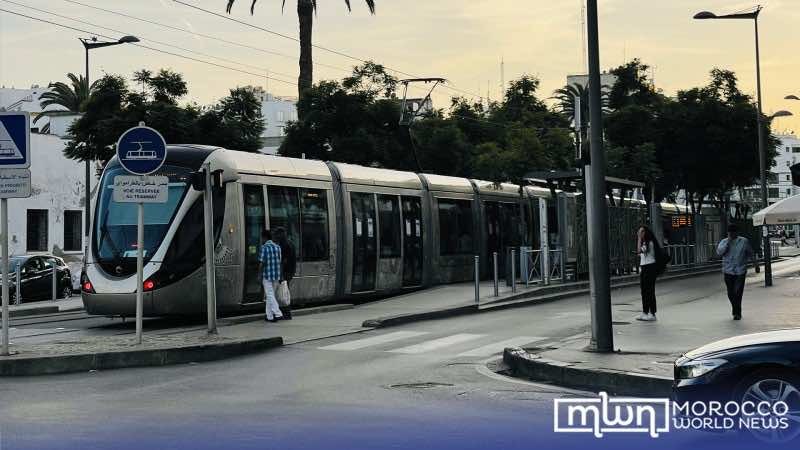
Rabat – The Moroccan government and the country’s 12 regional councils took a significant step forward in Tangier on Friday by signing a framework agreement to fund an investment program under the new model of delegated management contracts for public bus transport.
The agreement seeks to ensure the program’s sustainability and financial balance while establishing regular monitoring mechanisms to oversee its implementation.
This agreement was one of four framework agreements signed during the second National Advanced Regionalization Conference. The event, held under the High Patronage of King Mohammed VI, focused on strategic sectors such as water, mobility, and waste management. It marks a major milestone in advancing Morocco’s ambitious regionalization project, which aims to foster integrated territorial development.
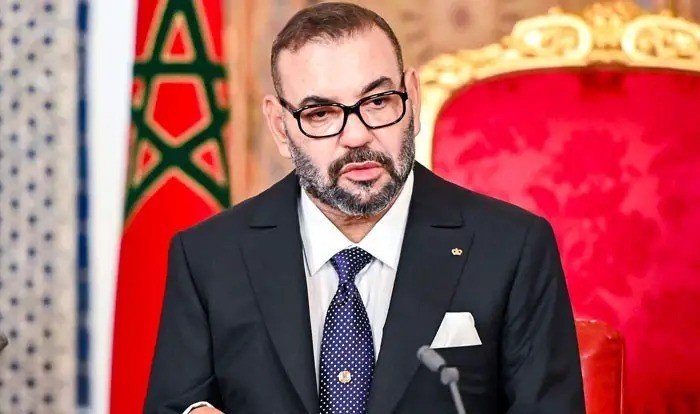
In a message to the second edition of the Advanced Regionalization Conference, King Mohammed VI emphasized that “the development of an inclusive and sustainable transport system is now an essential requirement for achieving integrated regional development.”
This step is “a prerequisite for reducing spatial and social disparities at the territorial level,” the monarch argued, asserting that the transport sector “will undoubtedly experience rapid progress in the coming years.”
He stressed Morocco’s determination to scale up its efforts to consolidate the regional gains it has made in recent years. The positive trend the country’s infrastructure projects have seen is “driven by the growing momentum in our country as a regional hub attractive to investments and by the large-scale projects launched as part of Morocco’s preparations to host the 2030 World Cup,” he said.
The first of the agreements signed on Friday establishes a structured framework for transferring responsibilities to regional councils and decentralized services.
This collaboration between multiple ministries and regional councils aims to enhance governance and administrative efficiency, providing a foundation for effective regional management.
Read also:
The second agreement targets sustainable water management and environmental protection, aligning with Morocco’s broader sustainability goals. The third, supported by an 11 billion dirham ($1.067 billion) budget, focuses on upgrading urban and intercommunal public transport systems over the 2025-2029 period.
Meanwhile, the fourth agreement centers on household waste management, outlining a decade-long strategy to transform waste into a resource in pursuit of sustainable development.
Friday’s conference was attended by over 1,500 participants, and it brought together government officials, elected representatives, experts, and international partners.
It served as a vital forum for addressing the challenges and opportunities of regionalization, aiming to strengthen territorial governance and ensure Morocco’s regions are equipped to tackle economic, social, and environmental issues effectively.
Organized by the Ministry of the Interior in partnership with the Association of Regions of Morocco, the event highlighted the structural importance of advanced regionalization.
With strong royal backing, the initiative represents both a transformative institutional reform and a strategic choice for Morocco’s sustainable and balanced development.