
 Join on WhatsApp
 Join on Telegram
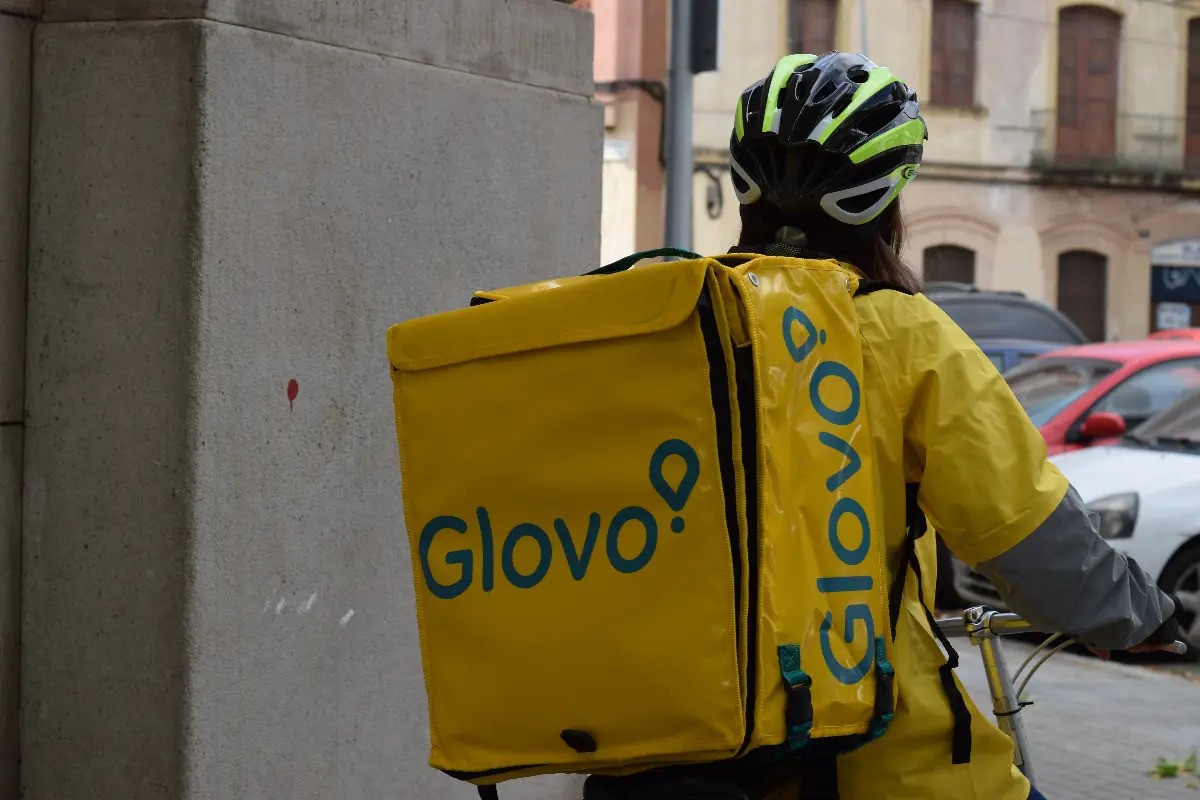
Doha – In a major shift announced Monday, Spanish delivery platform Glovo will transition from using self-employed riders to directly hiring its delivery workers across Spain.
The decision comes one day before CEO Oscar Pierre is set to testify in a criminal investigation regarding workers’ rights.
The change will affect Glovo’s operations in over 900 Spanish cities and apply across all verticals of the application, according to the company’s announcement.
Delivery Hero, Glovo’s German parent company, estimates the shift will impact its adjusted EBITDA for fiscal year 2025 by approximately €100 million.
The company plans to establish a dialogue with social partners to guide the transition process. This forum will be open to other industry operators who may wish to implement similar changes, Glovo stated in its announcement.
As reported by RTVE, Spain’s Labor Minister Yolanda Díaz welcomed the decision from Brussels, stating that “no company, regardless of its size or technological nature, can impose itself on democracy.”
Díaz said that this represents “the most important affiliation movement in Spain’s history carried out by the Labor Inspection,” with an expected revenue collection of €267 million, excluding sanctions costs.
The announcement precedes a significant legal challenge for the company.
CEO Oscar Pierre is scheduled to testify on December 3 as a subject of investigation in criminal proceedings initiated by the Public Prosecutor’s Office for alleged violations of workers’ rights.
The investigation stems from a complaint filed last June in Barcelona, based on a report by the Labor and Social Security Inspection.
The CGT union has joined the legal proceedings, according to Europa Press.
The union criticized Glovo’s previous practices, noting that despite earlier court rulings establishing an employment relationship with riders, the company continued requiring workers to register as self-employed.
Delivery Hero disclosed that it expects to increase its general contingency in its complete 2024 annual report to between €440-770 million, up from the €330-550 million indicated in its 2024 semi-annual financial report.
This amount covers social security contributions, fines, VAT claims, and other payment charges for Glovo Spain through the end of 2024.
Regarding the transition process, while Glovo has not confirmed whether all current riders will be hired, the company indicated that the new model aims to maintain current service levels, suggesting “most of the activity will be maintained, along with the same operational need for delivery workers.”
Riders who collaborated with Glovo between August 12, 2021, and July 31, 2024, will be notified once they have been registered with Spanish Social Security.
Read also: Jumia Ceases Food Delivery in 7 African Countries, Including Morocco