 Join on WhatsApp
 Join on Telegram
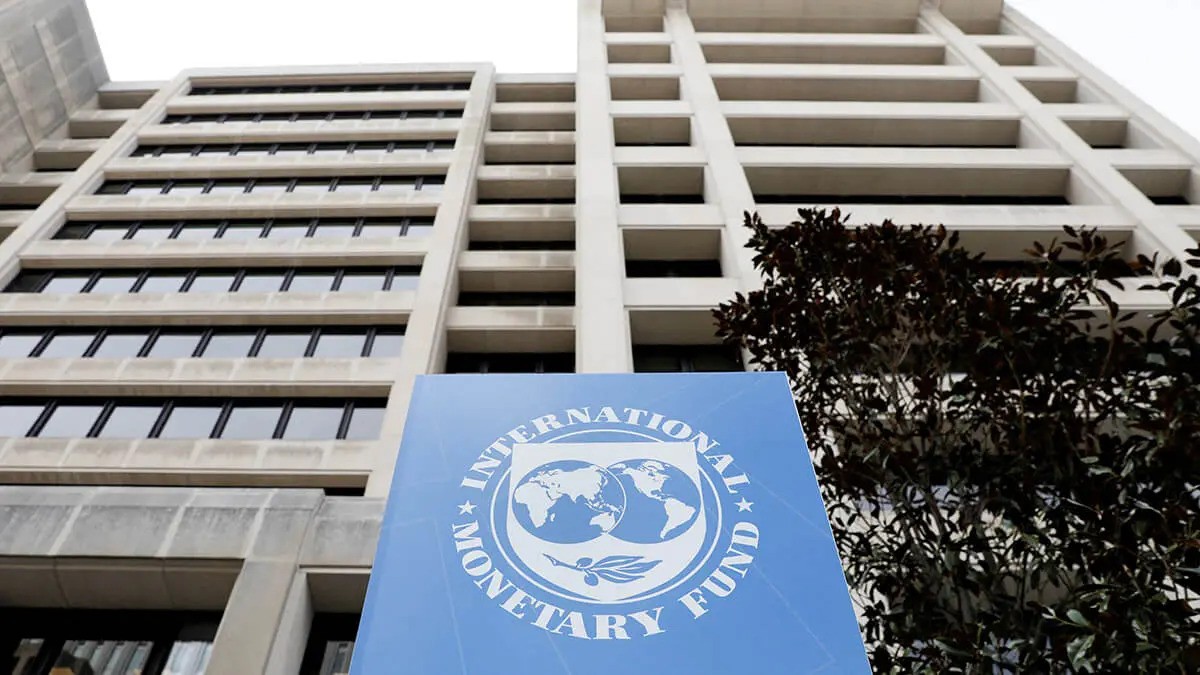
Doha – Morocco’s economy is set to grow by 3.9% in 2025, up from 3.2% in 2024, as the International Monetary Fund (IMF) recommends the country’s central bank to adopt an inflation-targeting framework and accelerate debt reduction efforts.
“With inflation back to around 2%, Bank Al-Maghrib should continue its preparation to adopt an inflation-targeting framework,” the IMF stated following its Article IV consultation mission to Morocco, conducted from January 27 to February 7.
The country’s inflation rate experienced a significant drop, falling from 6.1% in 2023 to 0.9% in 2024, according to Bank Al-Maghrib data. The central bank projects inflation to reach 2.4% this year.
Roberto Cardarelli, who led the IMF mission, noted that “the current broadly neutral monetary policy stance is appropriate,” adding that future policy rate changes should remain “data dependent.”
The IMF mission recalled Morocco’s fiscal achievements, with tax reforms enabling higher-than-expected revenue and reducing the fiscal deficit to 4.1% of GDP in 2024, slightly better than the 4.3% target announced in the 2024 Budget.
However, the Fund urged the need for further fiscal consolidation.
“Higher-than-expected revenues should be used to accelerate the pace of debt reduction to levels closer to pre-pandemic,” the IMF recommended, while calling for “further efforts to expand the tax base and rationalize spending.”
Morocco’s economic outlook faces challenges in the labor market, with unemployment rising to 13.3% in 2024 from 13% the previous year. The IMF specifically recommended “focusing on labor displaced from the agricultural sector due to the sequence of droughts.”
Regarding structural reforms, the Fund welcomed “the progress in the operationalization of the Mohammed VI Investment Fund” to support SMEs’ access to equity financing. It also endorsed the ongoing reform of the Organic Budget Law, which aims to introduce a new fiscal rule based on a medium-term debt anchor.
The IMF noted that risks to Morocco’s economy are “broadly balanced,” though significant uncertainty remains regarding “the economic impact of geopolitical tensions and changing climate conditions.”
The current account deficit is expected to widen toward its estimated medium-term norm of around 3% as growth accelerates, while the non-agricultural sector continues to expand “at a robust pace amid strong domestic demand,” according to the IMF statement.
Read also: IMF Approves New $415 Million Disbursement for Morocco’s Green Economy Transition