
Rabat – In the foothills of the Pyrenees, a group of French winemakers face a dilemma that has become all too familiar in Morocco: relentless drought.
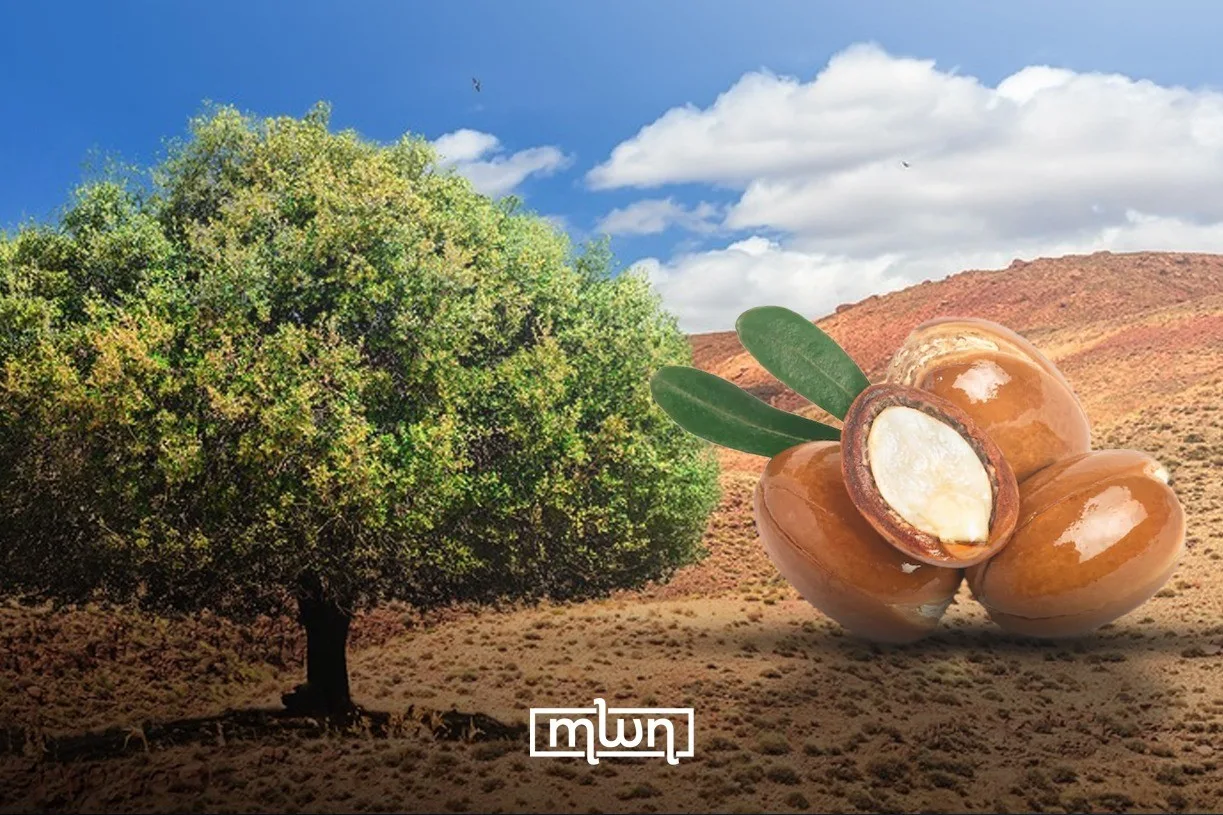
Instead of waiting for conditions to improve, they are searching for alternatives. Their solution takes inspiration from Morocco, where the argan tree has thrived for centuries in dry landscapes.
Vincent Connes, Philippe Morat, Jean Delmau, David Tofinos, Thomas Montes, and François-Xavier Dauré, all suppliers for the Dom Brial cooperative, see no choice but to adapt, L’Independant reports.
Wine sales have slowed, water grows scarcer, and the land demands new ideas. A year ago, they formed a collective to explore ways to leave the wine business altogether and bring forward crops better suited to the changing climate.
“We could all feel it, drought would only get worse,” Connes tells the outlet. “Each of us had tried different things on our own. But at some point, we realized we would be stronger together.”
Learning from Morocco’s landscape
The group has experimented with pomegranates, prickly pears, pistachios, and tea trees, but one idea stood out. Last summer, Tofinos suggested growing argan trees, Morocco’s deep-rooted answer to arid conditions.
“We looked at the Mediterranean and asked, what works in places as dry as this?” one of the winemakers explains. “Morocco has argan trees everywhere. If they survive there, maybe they can survive here too.”
But there is a challenge. France has no argan seeds available, and Morocco guards its supply closely. “Bringing seeds from Morocco? Impossible. It’s their tree, their resource, and they have every reason to protect it,” Tofinos admits. “I finally found some in Spain, but I won’t say where.”
An uncertain experiment
Last October, the first argan trees took root in Baixas, southern France. Tofinos planted the first plots, and Morat, Dauré, and Montes soon followed. Others plan to do the same in the coming months.
An argan tree needs only 120 millimeters of rain per year to survive and about 200 to 240 millimeters to produce fruit, making it the super-crop for these conditions.
Whether these trees will succeed in the Pyrénées-Orientales remains uncertain. “We have no way of knowing,” Connes says. “We will have to wait five or six years to see the results. But if it works, it will change everything for us.”
In Morocco, drought continues to challenge farmers who have long relied on the argan tree’s resilience. If the experiment proves successful, it could offer a model for adapting to water shortages in both regions.
For now, the winemakers in Baixas plant with patience, knowing that only time will tell. Their search for solutions does not end here, as jojoba and macadamia trees may come next. But their hope lies with the argan tree, a symbol of survival in Morocco and, perhaps, in France.