
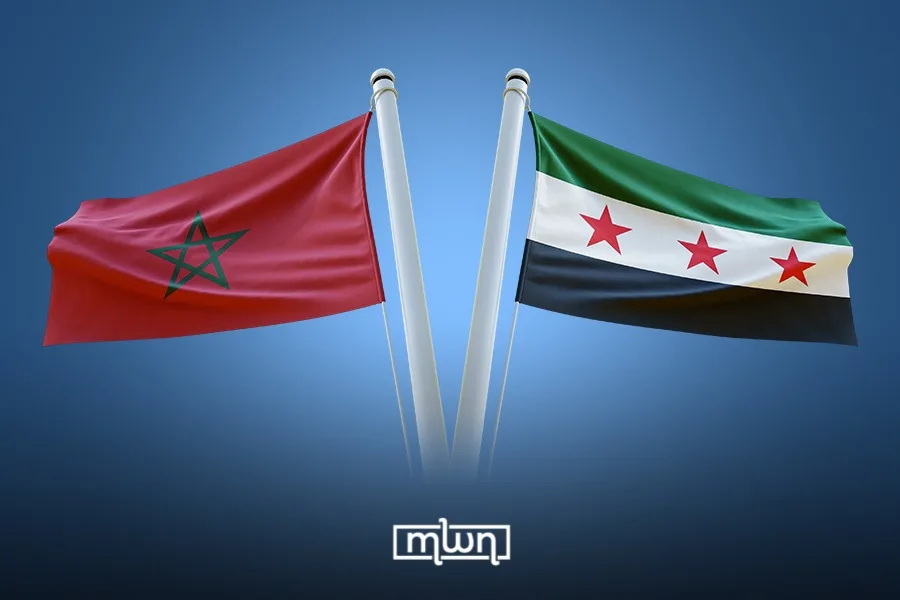
Rabat — In a significant diplomatic move, King Mohammed VI announced the reopening of Morocco’s embassy in Damascus, which had been closed since 2012.
Reopening the country’s embassy in Syria, after a nearly 13-year closure due to fundamental disagreements with the Assad regime, is a step that “will open broader perspectives in the historical relations between our two countries and our two peoples,” the King explained.
Amid the Middle Eastern transitional phase, King Mohammed VI’s decision to reopen the embassy reflects Morocco’s support for promising reconciliation processes that would contribute to peace and stability in the region.
The decision is also aimed at helping Syria rebound from the civil war that devastated most of the country.
In his speech to the 34th Arab Summit, held today in Baghdad, the King also reaffirmed the country’s “unwavering historical position” on Syria.
He expressed support for “the Syrian brotherly people in their quest for freedom, security, and stability” while stressing the importance of preserving Syria’s sovereignty and territorial integrity.
As countries continue to reconsider their Syria policies, Morocco has been following the developments in the war-torn country.
In February, Bourita said that Morocco was “closely following the developments in Syria.”
Read also: A New Page for Syria’s Post-Assad Era: al-Sharaa Forms Inclusive Cabinet
Following Syria’s rebel coalition, led by the Sunni Islamist group Hayat Tahrir al-Sham (HTS), the overthrow of the Assad regime on December 8, 2024, the North African country has been hoping for positive developments in the country.
Days after the rebel coalition took over Damascus, marking Syria’s freedom from a 50-year dictatorship, Morocco and Syria’s transitional government had reportedly already started discussing the reopening of the Moroccan embassy.
Today, Rabat confirmed the reports in a move to contribute to the transitional phase in Syria, which is rebounding from the devastating civil war that damaged the country’s economy, infrastructure, and people.
The over ten-year civil war broke out in Syria following the pro-democracy protests that took place all over the country in 2011, calling for respect of human rights and meeting people’s needs.
The intervention of internal power dynamics, regional influences, and international involvement exacerbated the long war in Syria, resulting in hundreds of thousands of deaths and displacing millions.