
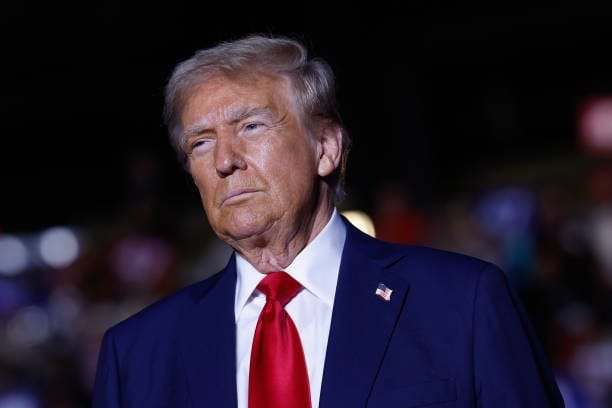
Rabat – US President Donald Trump has enacted a new wave of tariffs on imports from over 90 countries.
This triggered global unease, forcing allies and rivals alike into urgent negotiations.
The move, announced just before the final deadline for trade deals, shows Trump’s renewed effort to assert American control over what he calls an imbalanced global system.
On his Truth Social platform, the US president claimed the tariffs were already bringing “billions of dollars” into the US.
This latest offensive includes a 50% tariff on Indian goods, due to take effect on August 27 unless New Delhi halts its oil trade with Russia. India has dismissed the demand as “unfair” and showed no intention of yielding to Washington’s pressure.
Trump has also threatened 100% tariffs on foreign semiconductors. The warning came just as Apple revealed plans to invest $100 billion in the US, after months of quiet pressure from the White House to relocate more production.
Several of the harshest tariffs have fallen on Southeast Asia economies.
Laos and Myanmar face rates of 40%, despite limited direct trade with the US. Some analysts believe Trump’s strategy targets nations that maintain close trade links with China.
The shift has not spared American allies. Taiwan now faces a 20% tariff, prompting President Lai Ching-te to call the rate “temporary” as talks continue. The rate is lower than what some feared, though concerns remain about the message it sends.
Switzerland, which failed to reach an agreement with Washington, must now contend with a steep 39% tariff.
While the tariffs shook diplomats and trade ministries, markets in Asia reacted with unusual calm. Shares in Japan, South Korea, Hong Kong, and mainland China showed modest gains. Indian and Australian markets, however, slipped.
Several major economies managed to soften the blow through last-minute deals. The UK, Japan, and South Korea secured lower rates, avoiding the worst of Trump’s proposed tariffs from earlier this year.
The EU reached a framework agreement, accepting a 15% levy on EU exports. While the rate is far from negligible, it represents a compromise that avoids a broader trade conflict.
Canada saw its tariff rate rise from 25% to 35% after Trump accused the country of failing to act on cross-border drug smuggling. Ottawa pushed back, pointing to new crackdowns on fentanyl networks. Still, most Canadian goods remain shielded under the existing USMCA agreement.
Tariffs on Mexican goods have been paused for 90 days while talks continue.
India’s inclusion in this tariff package has raised eyebrows beyond trade circles. Trump appears to be sending a broader message to countries that continue buying oil from Russia.
The impact on India could be huge. As the world’s third-largest oil importer, it relies on Russian energy for price stability. With elections looming and fuel prices already sensitive, the government now faces a tightrope.
While some countries have scrambled to adjust, others remain locked in tense negotiations to reach “reciprocal tariffs.” The dust is far from settled. Washington has redrawn the map of global trade, and countries must decide whether to fall in line or face the cost.