Tetouan – Statements of condemnation against Israel’s September 9 strike on Doha and calls to action continue to surface from the emergency Arab-Islamic summit.
The summit resulted in a general call for unity from Arab and Islamic countries to protect the Palestinian people and a denormalization with Israel, which they accuse of blatantly undermining Doha’s sovereignty and diplomatic efforts towards a Gaza ceasefire.
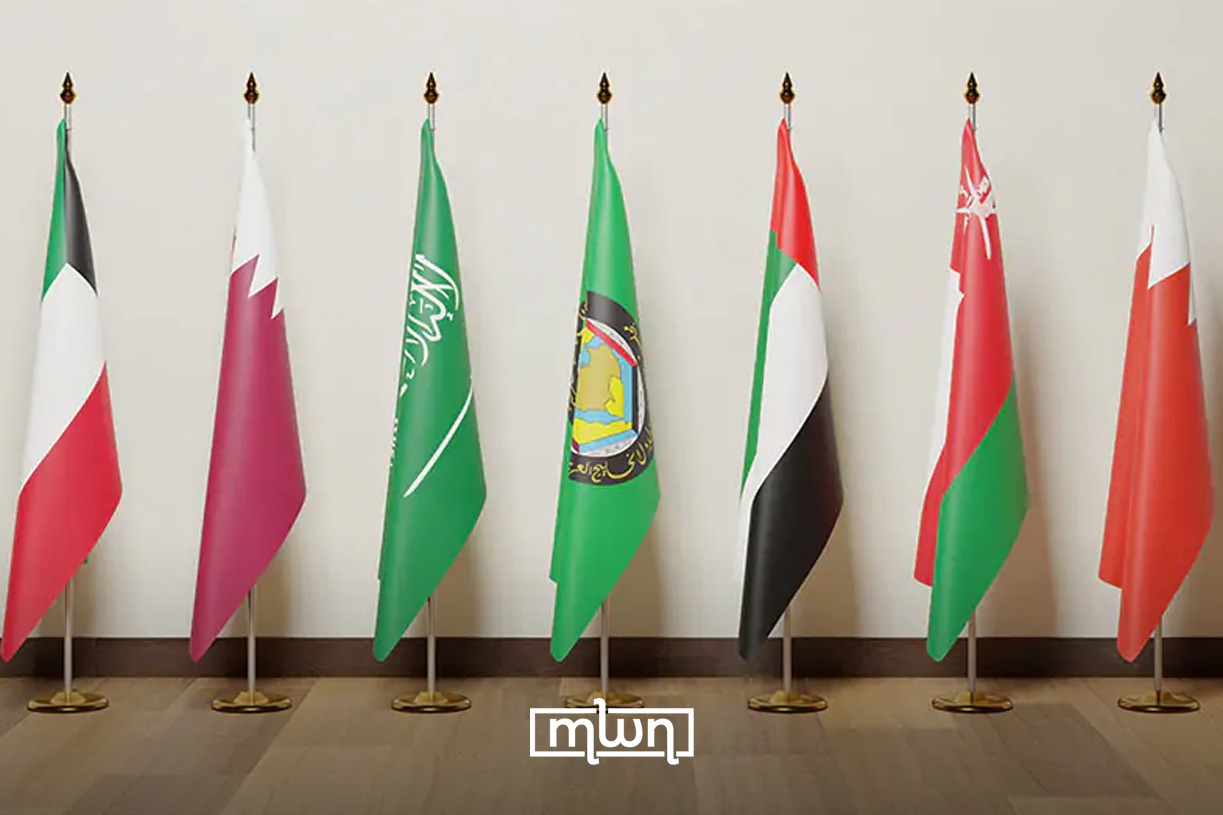
Yesterday, the Secretary General of the Gulf Cooperation Council (GCC), Jasem Mohamed Ql-Budaiwi, stated that the GCC’s Unified Military Command plans “to take executive measures to activate joint defence mechanisms and Gulf deterrence capabilities.”
The statement outlined five specific plans of action to strengthen military and intelligence capabilities between the countries:
- Increase the exchange of intelligence information through the Unified Military Command.
- Work to transmit air situation to all operation centres in the GCC states.
- Accelerate the work of the Gulf Joint Task Force for the Early Warning System against Ballistic Missiles.
- Update joint defence plans in coordination between the Unified Military Command and the Operation and Training Committee of the GCC countries.”
- Conduct joint exercises between air operation centres and air defence forces over the next three months, to be followed by a joint actual air exercise.
What did GCC military cooperation look like previously?
This joint defense activation is unprecedented; although there are existing written agreements on joint defense initiatives within the GCC, they have never been invoked. The existing statements stipulate that joint military initiatives are to be utilized in the face of an external threat. Yesterday’s outlined initiatives, therefore, are profound.
While Saudi Arabia, Qatar, and Kuwait stand firm in this gesture of unity, the UAE, Bahrain, and Oman appear to be reluctant to engage.
In a TRT World interview, Mehram Kamrava, professor of government at Georgetown University in Qatar, said that the presence of US troops and diplomatic involvement “limits the GCC’s ability to act independently, rendering the pact’s activation more symbolic than operational.”
Given this covert power struggle, there is speculation on the Gulf powers’ priorities and true intentions in the region.
The actions carry a strong sentiment of “an attack against one of us is an attack against all of us”—though it remains to be seen as solely symbolic or truly productive.