 Join on WhatsApp
 Join on Telegram
Rabat – For over a week, Morocco has seen nationwide protests calling for social and institutional reforms in education, healthcare, and the fight against corruption.
Yet, as citizens mobilized peacefully across cities, the Algerian regime and its propaganda networks seized the opportunity to inject chaos and disinformation into what has remained a fundamentally Moroccan civic movement.
A peaceful Moroccan protest, not a foreign plot
Born from a grassroots digital movement on Discord, the GenZ212 initiative has become a platform for Morocco’s youth to demand change responsibly. Despite a few isolated incidents of vandalism, the protests have stood out for their discipline, peaceful tone, and national unity, something the Algerian regime appears determined to undermine.
Thousands of pro-Algerian accounts on social media have sought to distort the narrative, flooding Moroccan online spaces with fabricated videos, false slogans, and inflammatory messages calling for the “fall of the monarchy.” Their goal is to drag Morocco into the same spiral of instability that has plagued Algeria for years.
But the Moroccan street resisted. GenZ212 organizers condemned every call for violence, reaffirming their loyalty to King Mohammed VI and the country’s constitutional institutions.
In the streets, citizens have been seen offering flowers to police officers, applauding their restraint, and even helping to stop vandals. This civic response starkly contrasts with the chaos Algerian trolls tried to engineer online.
Algerian interference echoes a pattern of destabilization
This campaign of manipulation mirrors a familiar playbook used by the Algerian military regime.
Earlier this year, France’s cybersecurity agency Viginum exposed an orchestrated wave of pro-Algerian troll activity that sought to spread anti-French propaganda and destabilize European digital spaces.
At the center of these operations stands the ONPLOTIC, Algeria’s state organ for “cybercrime prevention,” which in practice serves as a tool of digital interference directly controlled by President Abdelmadjid Tebboune’s Defense Ministry. The same machinery appears to be at work against Morocco, weaponizing fake accounts and propaganda to fabricate unrest where there is none.
A regime without moral credibility
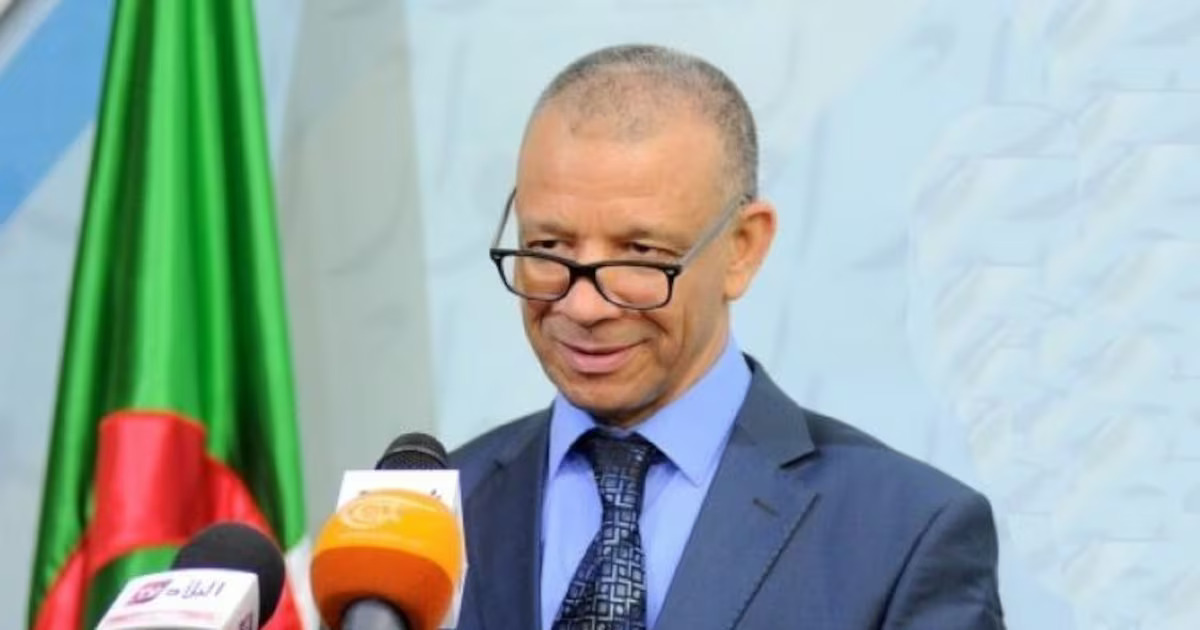
When these digital attacks failed, the Algerian regime dropped the mask. On October 4, Abdelkader Bengrina, a pro-regime Islamist and leader of the Al-Bina party, openly called on Moroccans to “march on the royal palace” and “end normalization with Israel”, a reckless incitement to revolt.
Ironically, this call came from a figure in a country where pro-Palestinian protests are banned, journalists are silenced, and youth activists are jailed. The Algerian government’s attempt to use the Palestinian cause as a moral weapon against Morocco only shows its hypocrisy.
By trying to exploit Morocco’s domestic debates, Bengrina and his patrons in Algiers revealed their true intentions to destabilize a neighboring country that stands as a model of reform, stability, and civic maturity in the region.
Morocco’s youth refuse the Algerian trap
Moroccan protesters have seen through the manipulation. Their message remains clear: the movement is Moroccan, for Morocco, and about Morocco.
Demonstrators have insisted that their only goal is to improve public services and strengthen social justice, not to serve as pawns in Algeria’s regional agenda.
Videos from across the country show a powerful counter-image to the chaos Algerian networks hoped to create: young people cooperating with security forces, cleaning streets, and defending public property. Their sense of national belonging and respect for institutions starkly contrasts with the regime next door.
Algeria’s obsession with Morocco
This latest episode adds to a long record of Algerian hostility and interference, from disinformation campaigns to political provocations at international forums. The regime’s obsession with Morocco’s success only exposes its own failures: economic stagnation, repression, and the silencing of dissent.
While Morocco’s youth march peacefully for reform, Algeria’s rulers tremble at the prospect of their own people rising again, as they did during the Hirak movement. If any revolution is on the horizon, it is more likely to erupt in Algiers than in Rabat.
A lesson in national unity
The GenZ212 protests have shown that Morocco’s youth can voice criticism without betraying their country. In rejecting violence, manipulation, and foreign interference, they have reaffirmed what Algeria’s rulers cannot grasp: that the Moroccan nation and its monarchy are inseparable, bound by history, legitimacy, and shared identity.
No army of trolls or desperate politicians in Algiers will change that reality.