Rabat – The Moroccan youth movement GenZ212 announced on Tuesday a temporary suspension of nationwide demonstrations until Thursday, recognizing the recalibration of efforts and strengthened coordination ahead of a critical parliamentary session scheduled for Friday.
In a statement released on social media, the movement said the decision came after “careful review of the current situation” and agreement among most participants to reorganize for “greater effectiveness” in the coming days.
“This suspension is not a retreat from our demands,” GenZ212 declared. “It is a strategic step to reinforce our voice and ensure that our message reaches decision-makers with full clarity and power.”
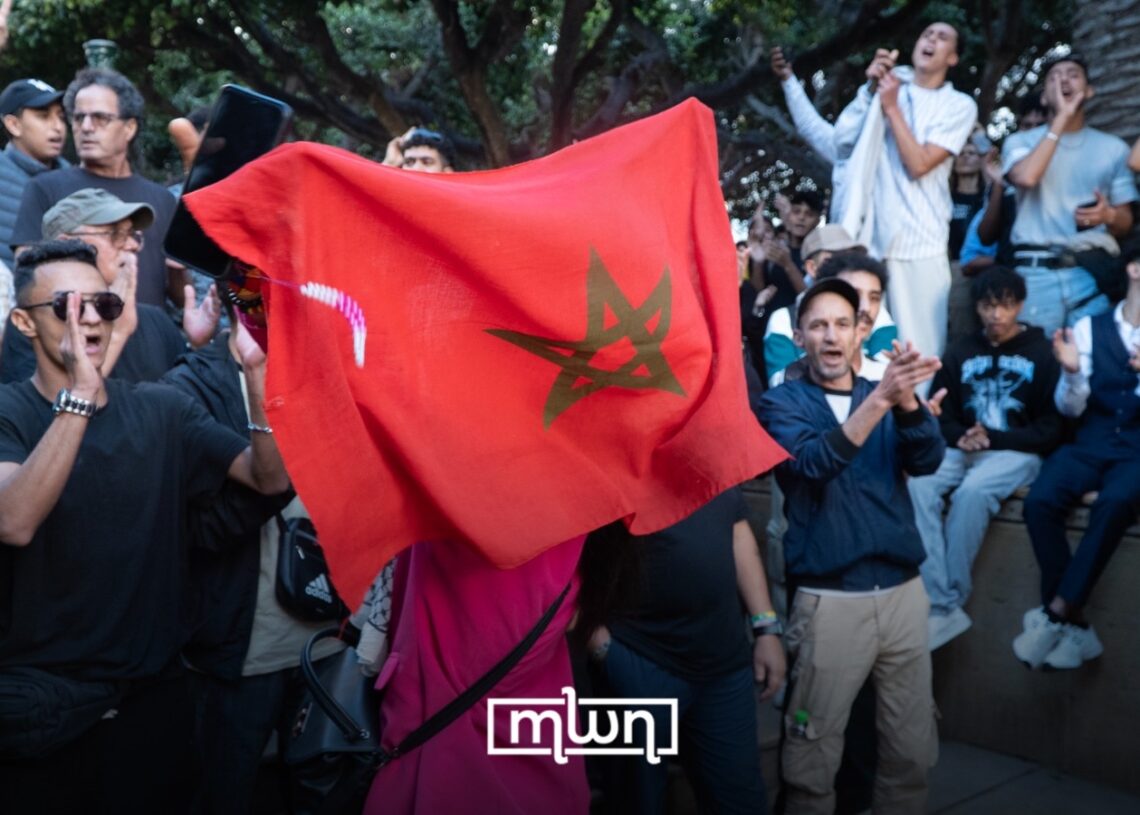
The movement emphasized that Thursday’s Oct. 9 return to the streets will be marked by organized sit-ins and mass gatherings across major cities, calling on supporters to mobilize “on a national scale” to reaffirm their demands.
Renewed call for accountability and reform
According to the statement, GenZ212’s upcoming mobilization will focus on three principal demands: Dissolution and accountability of the current government; comprehensive reforms in healthcare and education; immediate release of detained protesters.
Organizers noted that these demands reflect the frustrations of an entire generation facing chronic unemployment, declining public services, and what they describe as “a widening gap between promises and reality.”
Mounting tensions ahead of the royal speech
The timing of the movement’s announcement is critical. The Moroccan Parliament is set to convene on Friday for the opening of its autumn session, traditionally marked by a royal address outlining the government’s priorities for the year.
The GenZ212 movement, which began its protests on September 27, has maintained momentum for nearly two weeks, staging protests in cities such as Rabat, Casablanca, Agadir, Tangier, and Marrakech. While the demonstrations have remained largely peaceful, several incidents of police intervention and arrests have been reported, sparking renewed criticism of the government’s handling of the situation.
The youth-led collective insists that the temporary pause is meant to “build a stronger and more organized front” before resuming demonstrations, ensuring that the movement’s message is not diluted by fatigue or lack of coordination.
A generation’s discontent
The emergence of GenZ212 marks a turning point in Morocco’s social landscape. Unlike previous movements, it has no formal leadership, political affiliation, or centralized structure. Its name, “212,” references Morocco’s international dialing code, symbolizing unity among young Moroccans across regions.
The protests were triggered by growing frustration over deteriorating conditions in public hospitals, particularly after the deaths of eight pregnant women in an Agadir hospital, a tragedy that many protesters saw as emblematic of systemic neglect. Calls for reform quickly expanded to include demands for transparency, job opportunities, and an end to nepotism.
Despite repeated government statements expressing readiness for dialogue, young protesters remain skeptical. Many argue that such promises have been made before without tangible results.
Thursday’s nationwide mobilization is expected to serve as a symbolic and strategic moment for GenZ212. By halting demonstrations temporarily, the movement seeks to channel growing public sympathy into a more coordinated effort capable of sustaining pressure on institutions.
With the royal speech looming and the eyes of the country fixed on Parliament, many observers believe Morocco is entering a decisive phase, one that will test the government’s ability to respond to unprecedented youth mobilization and address the underlying issues fueling discontent.