 Join on WhatsApp
 Join on Telegram
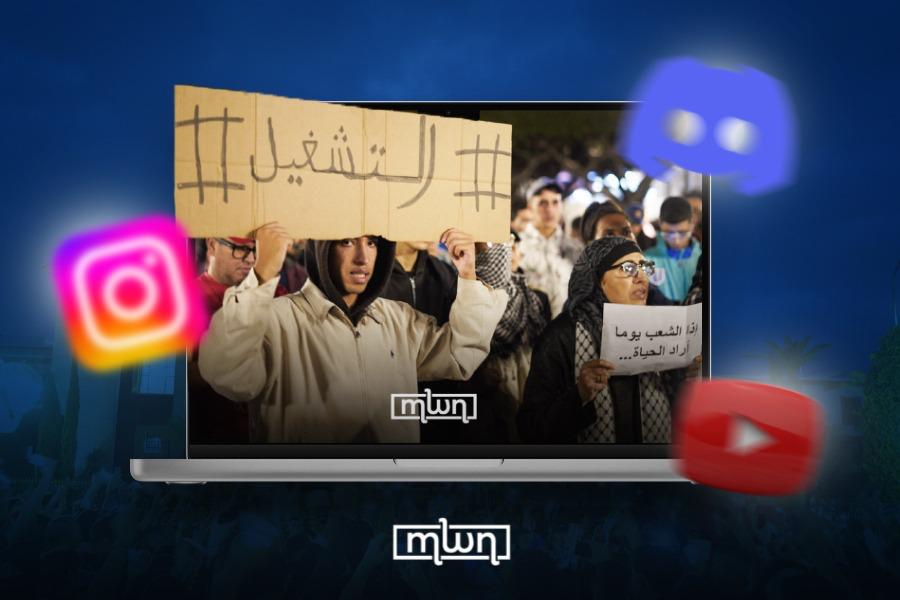
Gen Z’s protests demanding better healthcare and education have ushered in a new political era. Today, Moroccan youth refuse to remain politically marginalized. From online campaigns to street demonstrations, young Moroccans are finding creative ways to raise their voices and express themselves. Civic activism is no longer the sole domain of traditional political parties; it is now open to everyone.
A primary cause of this wave is disillusionment with traditional political parties. According to Walaw, 70% of Moroccan youngsters say they do not trust elected institutions. Many perceive these institutions as slow, unresponsive, and dominated by entrenched parties. Others believe the political field is monopolized by elites who prioritize the interests of the few over the majority. This is compounded by the exploitation of illiterate people in rural areas under the guise of charity and religion.
Social media has become the primary means for this generation to engage politically. From desperate hashtags on Twitter demanding accountability, to campaigns on Facebook and Instagram advocating social and environmental reforms, Moroccan youth are actively mobilizing online. Gen Z movements also use Discord daily to organize demonstrations and discuss the latest developments. They have even hosted podcasts featuring well-known figures in economics and politics, such as Omar Belafrij and Talal Lahlou.
Fortunately, these efforts are beginning to yield results. Recent Gen Z-led demonstrations have prompted authorities to take serious action regarding public health concerns, improve infrastructure, and reconsider policy decisions. A notable example is Health Minister Ahmad Tahraoui’s swift visits to hospitals across Morocco, revealing the dire state of healthcare—even in major centers like Hassan II Regional Hospital in Agadir. In response, the minister fired the hospital director and several senior health officials in Souss-Massa, and launched an investigation into the deaths of eight mothers and other critical failures at the hospital.
Despite their impressive efforts, today’s youth face significant challenges. Distrust in institutions remains widespread, many believe that elections bring little change and that corruption or favoritism dominate the system. Political inactivity is also prevalent; although socially aware, many young people feel alienated from formal politics, preferring to engage through social media and alternative channels. The generational gap further complicates matters, as differing mentalities often lead to miscommunication. The older generation resists dialogue, while the younger generation rejects traditional methods. As His Majesty King Mohammed VI remarked, Morocco is moving at “two speeds.”
In conclusion, Moroccan youth are no longer passive observers of their country’s political landscape. Through social media, street activism, and creative civic initiatives, they are reshaping how participation and engagement are defined in the 21st century. While challenges such as institutional distrust, political disengagement, and generational divides remain, the energy and determination of this generation offer hope for meaningful change. If their voices are recognized and supported, Morocco could witness a new era of inclusive, accountable, and youth-driven political reform.