Rabat – Morocco has made new progress in higher education, with three additional universities joining this year’s QS World University Rankings: “Arab Region 2026”, released by QS Quacquarelli Symonds on Thursday.
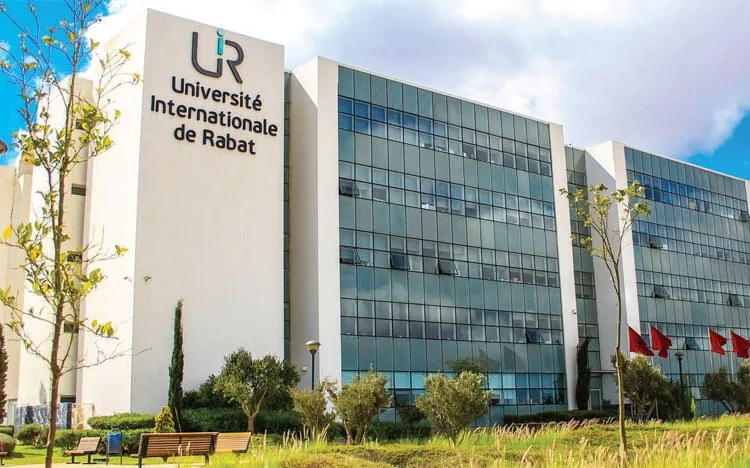
Mohammed V University in Rabat remains the top-ranked Moroccan university in the 118th spot. It was followed by Ibn Tofail University in Kenitra at 138th, and Rabat International University (UIR) at 148th. The best new entrant this year is Sidi Mohamed Ben Abdellah University in Fez, ranking 149th.
In total, nine Moroccan universities are now listed, up from six last year. Ibn Tofail University and Sultan Moulay Slimane University in Beni Mellal both improved their rankings, while others faced tougher competition in a list that saw 73 new entries across the Arab world.
Morocco stood out in teaching quality, with the highest number of universities in the top 10 for staff holding PhDs. Sultan Moulay Slimane University was also recognized as one of the region’s best in this area, while Ibn Tofail and UIR also made the top 10 for this metric.
Ashwin Fernandes, QS Executive Director for AMESA, said Morocco’s higher education system “is continuing to develop, with its institutions internationalising and broadening their partnerships overseas.” He added that Moroccan universities are not only welcoming international campuses but are also “looking for opportunities to branch out internationally.”
Regional highlights
This year’s ranking features 298 universities from 20 Arab countries, the largest ever edition. For the first time, Algeria became the most represented country with 46 universities, tripling its total from last year. Egypt followed closely with 42, while Saudi Arabia and the UAE remained regional leaders, each with three universities in the top 10 and six in the top 20.
Saudi Arabia’s King Fahd University of Petroleum and Minerals (KFUPM) kept its place at the top of the ranking, followed by Qatar University and Khalifa University.
Other strong performers include the American University of Beirut, Sultan Qaboos University in Oman, and the University of Jordan, all of which continue to hold positions among the region’s top 10.
The QS Arab Region Rankings evaluate universities using 10 indicators tailored to regional priorities, including academic reputation, employer reputation, research impact, international collaboration, and teaching quality.
A total of 123 universities across Africa were ranked from eight Arab League countries. Egypt remains the strongest performer on the continent, with six universities in the top 50. For Morocco, the results underline steady growth and stronger academic reputation.