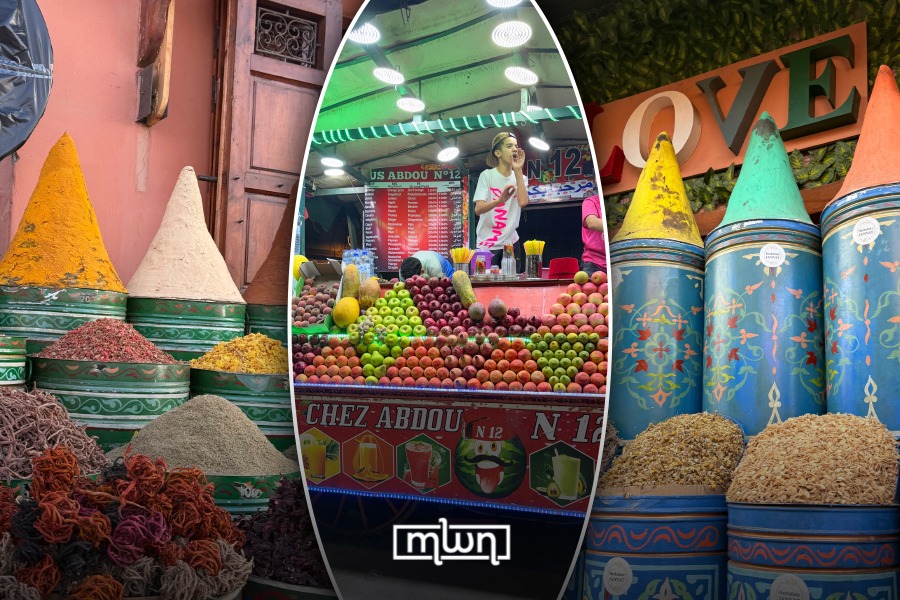
Rabat — One of the major reasons people visit Morocco is the food—and for good reason. Picture colorful cones of saffron and cumin lining packed alleyways in Marrakech, blue and orange and vibrant pink; more fish than you’ve ever seen or smelled in your life at the harbor in Essaouira; and couscous pots steaming from street corners in Rabat.
In other words, Moroccan cities are a feast for the senses. This is especially true for Western visitors, who are unused to the intensely Moroccan variety of sounds, smells, and sights dominating cities like Marrakech, Essaouira, Casablanca, Fez, Rabat, and more.
But amid all the charm, travelers should also stay alert to food and water safety. Even in urban areas, stomach troubles are a common souvenir for the unprepared. Here’s what you need to know to eat and drink with confidence across Morocco.
Tap water: Stick to Bottled—or Filter it Yourself!
Tap water in most Moroccan cities is technically treated, but for travelers whose stomachs are suited to different climes, local bacteria and mineral content might ruin their chance at a good time.
Visitors are therefore better off choosing bottled water. Luckily, Morocco does that bottled water really, really well. Giant bottles are widely available and inexpensive (about 5-7 dirhams a liter). But be sure to check that the seal is intact before buying; some sellers looking to make an unethical buck might wash, refill, and try to resell old water bottles.
If you’re looking to stay in Morocco for a while or want to reduce plastic waste, consider bringing a portable filtration bottle or UV purifier. We recommend LifeStraw or Grayl. Both will filter bacteria and grit from your drink and save you a nasty trip to the bathroom.
Ice and Juice: Proceed with Caution
Moroccan juice stands are legendary and delicious, from the elaborately, colorfully arranged fruit displays in Djemaa El Fna to the podunk stands occupying every medina corner. On a hot day, it is hard to find something better for the soul than fresh pomegranate or orange juice.
Nevertheless, ice or water added to juice can be risky for the uninitiated traveler. Opt for fresh juices or stands where you can see the fruit cut and squeezed in front of you. To be safe, skip the ice altogether.
Street Food: Choose Busy Stalls
Street food is one of the best ways to experience Moroccan culture. This is in part because they’re not just a tourist trap—the locals love street stands, too!
This fact gives you a cheat-code to finding vendors who sell safe, clean food. Follow the locals: More popular stalls are likely to boast higher turnover and fresher ingredients.
Also, keep your eyes out for vendors who handle food with gloves and utensils, compared to bare hands, and who cook food over visible heat. Safe bets usually include grilled meat, fried fish, msemen, or similar foods. On the other hand, it is safer to avoid raw salads, unpeeled fruit, and dairy products that might have been left unrefrigerated.
Restaurants and Riads: Ask Questions
In mid-range and upscale restaurants, hygiene standards are usually solid, but if you have a sensitive stomach, it is still smart to err on the side of caution and ask the host whether or not the water and ice are filtered.
After all, better safe than sorry. Even nice restaurants can cost travelers food poisoning.
Fresh Produce: Peel or Wash Carefully
If you’re buying fruit or vegetables from the souks, be sure to choose items with peels—bananas, oranges, avocados, or similar—and wash them in bottled or filtered water. This means double-duty protection from bacteria.
A few drops of vinegar or iodine solution in rinse water can also help disinfect produce if you’re cooking for yourself.
Probiotics: Be Prepared
Bring probiotics, electrolytes, or anti-diarrheals in case of mild stomach upset. If you don’t have what you need, then don’t worry. Pharmacies are easy to find in every Moroccan city—just follow the green plus sign.
A Final Word: Trust Your Senses
Moroccan cuisine is unique, from couscous Fridays to mint tea ceremonies. Enjoy it! But let your eyes and nose guide you. If food looks questionable or smells off, it’s worth the extra time and expense to find a healthier option.
With these precautions, you’ll savor the flavor of Morocco safely… and leave with memories, not maladies.