
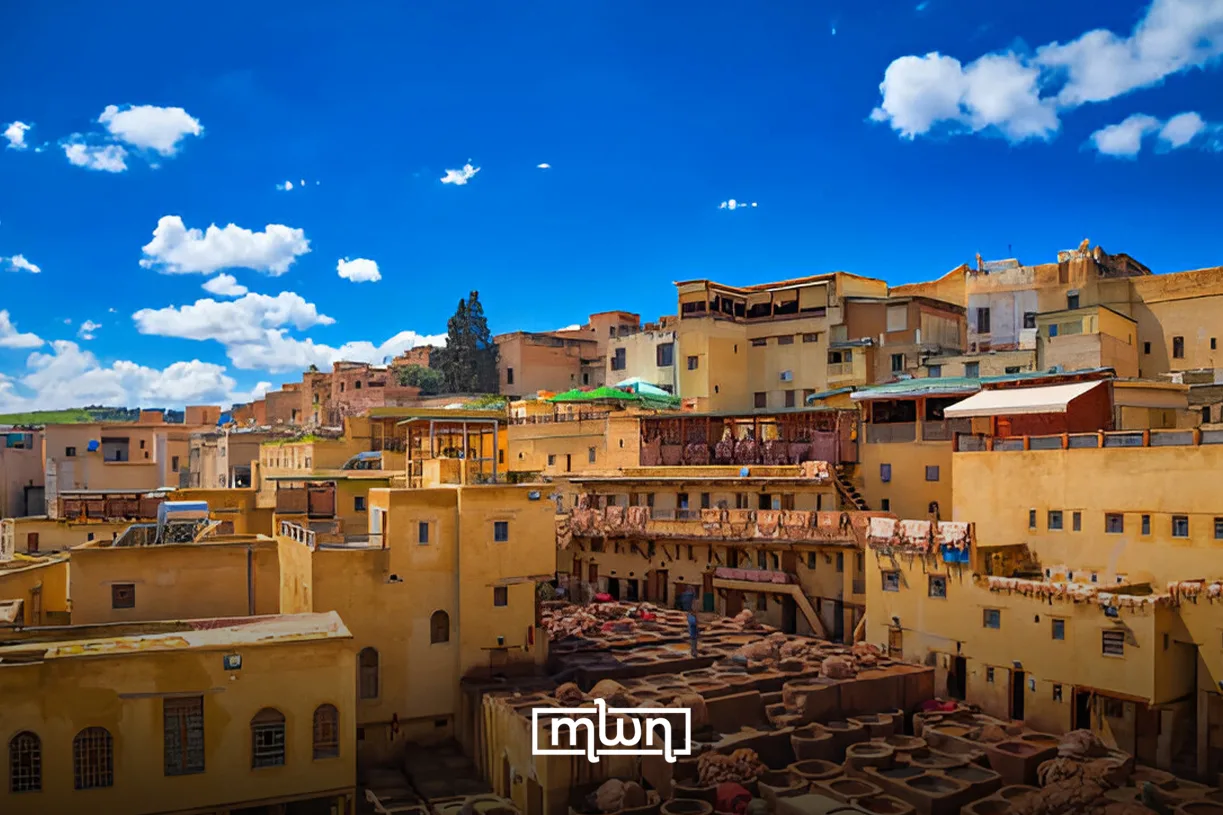
Rabat – The Fez-Meknes region is preparing a major push to modernize and diversify its tourism sector. A new “bank of tourism projects” brings together more than a dozen initiatives designed to attract families, students, international visitors, and investors.
Morocco World News has exclusively obtained the official document from the regional center of investment detailing these planned projects, which range from new hotels and resorts to eco-tours, a ski station, a luxury hammam network, and even a cable car linking scenic sites across the region.
The plan aims to build on Morocco’s tourism rebound and highlight the region’s natural beauty, cultural heritage, and improve infrastructure.
The initiative comes at a time when Morocco’s tourism industry is growing steadily, with 17.4 million arrivals reported in 2024 and tourism accounting for about seven percent of the national GDP. Regional authorities see this as the right moment to expand offerings beyond the traditional attractions of Fes and Meknes.
With six universities in the region, improved road and air connections, and proximity to many European cities, the region has the potential to become a key destination for both cultural and recreational tourism, the report indicates.
Flagship projects across the region
Among the flagship projects is a large tourist-residential complex that will include apartments, mini-villas, a 50-room hotel, and leisure facilities over an area of 10,000 square meters. It is designed to host short stays and events, with an investment estimated at around MAD 22 million and a payback period of eight to 10 years.
Another important investment is a modern thermal station in Moulay Yacoub, which targets health and wellness tourism. With an expected investment of about MAD 27 million, the project could generate significant revenue, drawing on the area’s long tradition of therapeutic baths.
Sustainability is a recurring theme across the portfolio. The “Green Way Tours” project, for example, promotes eco-friendly travel by connecting natural landscapes, rural villages, and eco-lodges. It is designed to benefit local communities, generate jobs, and protect the environment, with an estimated return on investment within five years.
High-end cultural tourism is also a priority, with plans for a five-star hotel and the restoration of historic riads that will offer authentic stays for visitors seeking a deeper connection with the region’s heritage. These projects are expected to require larger capital, around MAD 50 million, but offer higher returns in the long run.
The list also includes several experience-based ideas that could appeal to both domestic and foreign tourists. A proposed cable car would connect panoramic viewpoints and historic areas, while a ski station in Ifrane would diversify the region’s winter attractions.
A water park, a mini-train for city tours, and interactive leisure spaces featuring virtual and augmented reality are also being studied. Each of these projects targets different audiences, from families and young people to high-end travelers, and most estimate a payback period of five to 10 years depending on scale and location.
Local impact
Beyond profits, the tourism strategy promises broad social and economic benefits. New projects are expected to create jobs, generate income for small businesses, and help spread tourism beyond the urban centers into rural areas. Many proposals emphasize the use of local materials and crafts such as zellige and wood carving to ensure that local artisans and producers benefit directly.
The report also highlights the growing number of students and rising household incomes in the region as opportunities to develop new leisure and wellness facilities for residents themselves, not only tourists.
Authorities are offering incentives to encourage investment, according to the report. These include potential land subsidies, support funds, and tax advantages under Morocco’s national investment charter.
In particular, the document stresses the importance of partnerships with international travel platforms and professional training programs to ensure high service standards. Yet it warns of challenges such as high initial costs, seasonal demand for certain attractions, competition from other regions, and environmental risks linked to water scarcity and climate change.
These projects will require more than funding to succeed. The report underlines the importance of solid infrastructure, clear administrative procedures, and responsible environmental management. Coordination between local authorities, investors, and communities will also be key, with good governance, proper marketing, and skilled workforce development also essential to sustain long-term growth.
Overall, the Fez-Meknes portfolio is ambitious but balanced: it combines heritage preservation with modern leisure and eco-tourism, reflecting Morocco’s broader goal of making tourism more sustainable and inclusive. If implemented carefully, these initiatives could transform the region into one of Morocco’s most dynamic destinations.
Home to two of Morocco’s most historic imperial cities, the region has long been seen as a place of immense but underused potential. With its centuries-old medinas, spiritual heritage, and unique mix of tradition and modernity, many residents feel that the region’s cultural and economic value has not yet been fully realized.
Locals have long lamented that the region, once a thriving center of learning and craftsmanship, has in recent years been somewhat overlooked in national tourism planning. But many are now brimming with great expectations, hoping that this new wave of projects will breathe fresh life into their cities and villages and revive the region’s ancient spirit.