


 Join on WhatsApp
  Join on Telegram
 Rabat – Vegetable producers in southern Morocco are entering a difficult winter season, with the impact of last summer’s harsh weather now evident in current yields.
According to Agadir-based grower Amine Amanatoullah, as reported by FreshPlaza, weakened plant resilience in the Souss Massa region and a shortage of suitable seedlings are already weighing on production prospects for early 2026.
For now, European buyers have not experienced a sharp decline in Moroccan exports.
Late-season domestic production has helped maintain a temporary balance. But producers on the ground warn that this situation is fragile and may shift rapidly in the coming weeks.
Unlike previous seasons, there has been no coordinated response to this growing difficulty. Farmers are adapting individually, often with limited means.
The shortage of resistant varieties has proven particularly challenging, and available biological treatments do not yet offer sufficient protection.
At the same time, recent regulatory changes in Morocco and Europe have reduced farmers’ access to certain plant protection products, narrowing their ability to control disease and ensure stable yields.
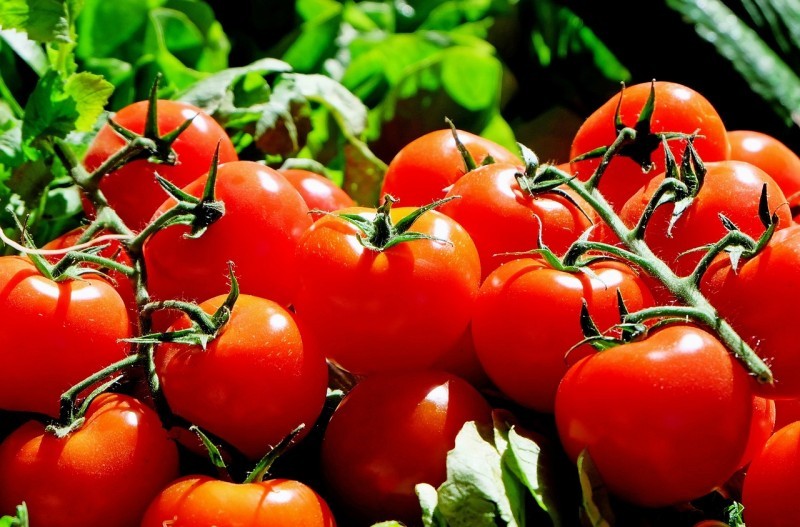
Peppers and tomatoes have been hit hardest. Prices for bell peppers have already climbed to unusual levels, while tomatoes, despite relatively modest export volumes, are selling at higher rates on the local market.
If production continues to fall short, price increases are expected to accelerate, with February marked as a critical turning point.
Weather events in the country’s south have worsened the outlook. Flooding in the Dakhla area has disrupted the production of segmented tomato varieties, which usually help compensate when standard tomatoes become scarce.
With no reliance on imports to fill the gap, local supply could tighten further as demand continues to rise.
The timing adds to the pressure. February will coincide with Ramadan, a period traditionally associated with increased food consumption.
The memories of 2023, when authorities stepped in to regulate tomato exports, are still present.
In addition, the Africa Cup of Nations (AFCON), set to take place between December and January, may contribute to a spike in domestic demand. Under these circumstances, there is a possibility the government will take further measures to protect the national market in early 2026.


