
 Join on WhatsApp
 Join on Telegram
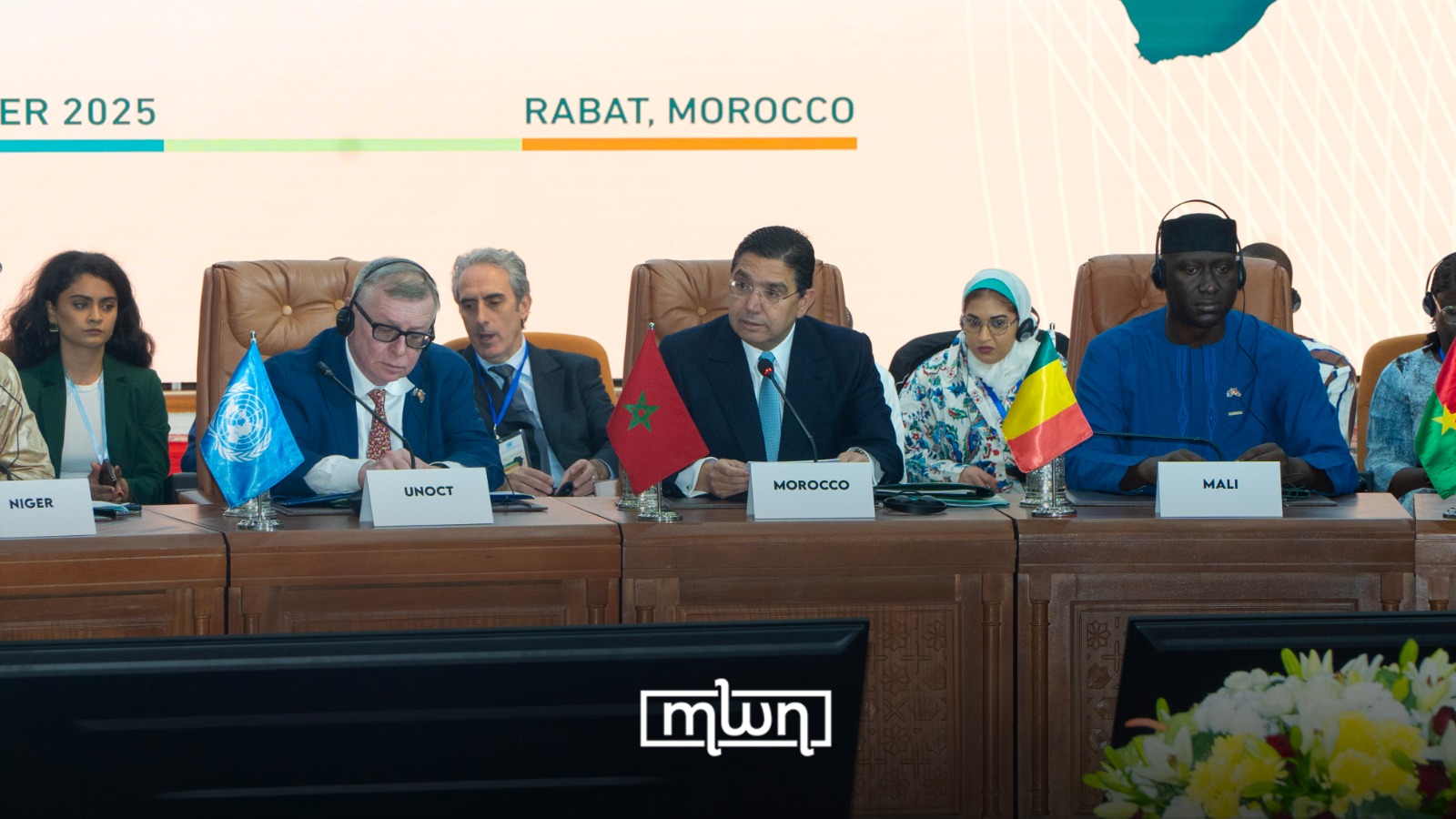
Marrakech – Morocco’s Foreign Minister Nasser Bourita called for a bold African approach to counterterrorism that places victims at the center of continental strategies during the opening of the first Conference on African Victims of Terrorism in Rabat on Tuesday.
Speaking at the unprecedented gathering organized with the UN Office of Counter-Terrorism (UNOCT), Bourita stressed the need to recognize survivors not merely as people requiring support, but as essential actors in prevention and resilience efforts who can contribute directly to developing more humane and effective African responses.
The minister noted that Africa remains the most affected region by terrorism, with intensified attacks particularly in the Sahel and West Africa causing thousands of victims and massive displacements.
“Terrorism is not a simple passing event but rather a tear in the social fabric, a weakening of local economies, and a systematic attempt to implant despair and make people lose their sense of security,” Bourita declared.
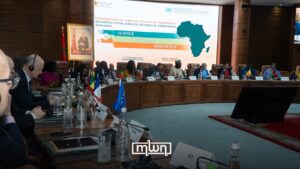
The conference marks a crucial step in refounding African strategies by placing survivors at the heart of public policies and collective efforts against violent extremism.
Bourita indicated the central objective is transforming victim recognition into concrete and structural African engagement.
The top Moroccan diplomat added that the initiative reflects King Mohammed VI’s guidance, making Africa a priority axis of Rabat’s foreign policy based on solidarity, cooperation, and experience sharing.
Morocco’s national strategy rests on three complementary pillars: security vigilance, socio-economic development, and consolidating the religious field anchored in moderation and tolerance values.
The opening session included UNOCT Deputy Secretary-General Alexandre Zouev, several African ministers, particularly from Sahel states, representatives of regional organizations, international experts, and African victim associations.
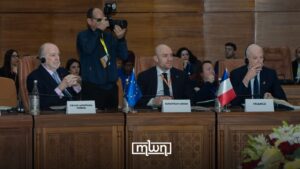
Prior to the conference, Morocco’s security chief Abdellatif Hammouchi met with Zouev during his working visit to Rabat on Monday.
Their discussions addressed emerging challenges related to rising terrorist risks across global tension zones, including the Sahel, Sahara regions, Horn of Africa, Syria, and Afghanistan.
Zouev expressed interest in Morocco’s security experience combating terrorism, describing the Moroccan approach as important for strengthening international cooperation against terrorist organizations. According to Interior Minister Abdelouafi Laftit, Morocco has dismantled over 200 terrorist cells since 2002.
The meeting comes after Morocco successfully hosted INTERPOL’s 93rd General Assembly in Marrakech from November 24-27, which attracted over 800 delegates from 179 countries, including 82 police chiefs.
Civilians remain deliberate targets
Across Africa, terrorist and militant groups have inflicted deep suffering from the Sahel to the Horn of Africa. Weak governance and porous frontiers in the Sahelo-Saharan region have allowed extremist groups to exploit regional instability, creating dramatic human tolls through deaths, refugees, long-term trauma, and interrupted development.
The conference addresses this regional context where groups like Polisario have been accused of transforming from a supposed liberation movement into what some analysts describe as a terrorist militia.
US Congressman Joe Wilson introduced the Polisario Front Terrorist Designation Act in June, calling for sanctions while asserting the group maintains ideological and operational links to Iran and state sponsors of terrorism.
Since renewed hostilities began in 2020 following the 1991 ceasefire collapse, Polisario has faced accusations of systematic campaigns including mines on civilian routes, deadly ambushes targeting travelers, mortar attacks on populated areas, and missile strikes designed to maximize civilian casualties.
The two-day conference represents Rabat’s commitment to a supportive, humane, and inclusive counterterrorism approach that places victims and their rights at the heart of regional and international action.
The UNOCT Africa Program Office in Rabat, now celebrating its fifth year, serves as a continental reference platform promoting African approaches based on solidarity, capacity building, and national ownership of responses.