 Join on WhatsApp
 Join on Telegram
Rabat – The Moroccan organization for the rights of women with disabilities has issued a strong condemnation of the country’s voter registration process.
The organization cited systemic flaws that undermine the political participation of people with disabilities.
In a statement, the group expressed “its strong denunciation of the irregularities affecting the voter registration process, which harm the rights of persons with disabilities of all types of impairments, as they cause actual exclusion that contradicts the principles of equality and equal opportunity.”
It pointed to the “absence of digital accessibility on the electronic platform dedicated to registration” and criticized the reliance on in-person procedures at local districts, “which are based on filling out paper forms without providing reasonable facilitation measures.”
According to the statement, these practices “force many persons with disabilities to resort to others, directly affecting their independence and the protection of their personal data, contrary to the provisions of Law No. 09.08.”
The organization stressed that such practices constitute a violation of both the Moroccan Constitution and the Convention on the Rights of Persons with Disabilities.
It called for authorities to “ensure full accessibility of registration procedures, respect the confidentiality of personal data, and adopt inclusive measures that enable all citizens with disabilities to exercise their constitutional right to register and participate in political life on an equal basis.”
The statement shows growing concerns among disability rights advocates about structural barriers in Morocco’s electoral process, and points to the urgent need for reforms that guarantee equality, independence, and privacy for all voters.
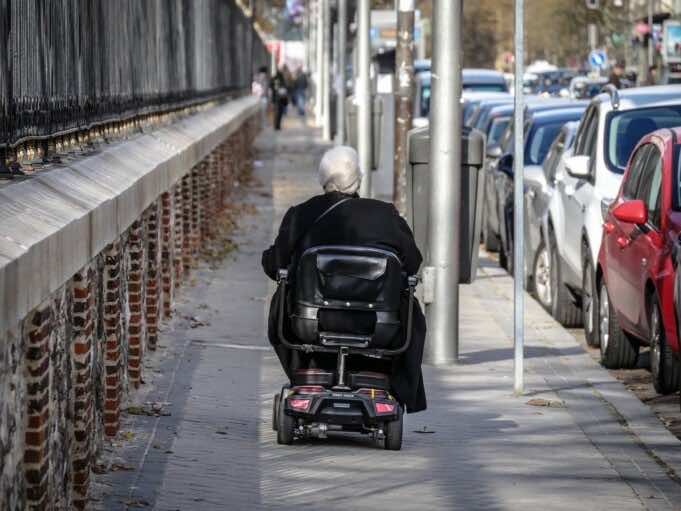
People with disabilities in Morocco continue to face deep-rooted forms of marginalization that affect nearly every aspect of daily life, from access to education and employment to healthcare and political participation.
Despite the existence of legal frameworks meant to guarantee equal rights, many disabled citizens encounter physical, administrative, and social barriers that limit their autonomy and visibility in public life. Inaccessible infrastructure, limited inclusive services, and persistent social stigma contribute to their exclusion, particularly for women and those living in rural areas.