Mohammedia – Recent rainfall across the Rabat-Sale-Kenitra region has significantly improved conditions for the ongoing agricultural campaign, according to figures released by the Regional Directorate of Agriculture (DRA).
As of January 8, cumulative precipitation reached 342 millimeters, compared to just 74 millimeters during the same period last season, marking an increase of 360%.
The Directorate said the rainfall has created favorable conditions for the development of autumn crops and the rollout of winter planting programs.
The improved pluviometric situation is also easing pressure on irrigation systems and lowering production costs for farmers, particularly those cultivating cereals, sugar crops, fruit trees, and vegetables.
Water reserves in agricultural dams have also seen a notable increase. As of January 8, storage levels at the Al Wahda, Idriss I and El Kansera dams stood at approximately 2.61 billion cubic meters, representing a filling rate of 53.5%.
This reflects an increase of 890 million cubic meters, or 17.9%, compared to the same period last year. Authorities say this improvement is strengthening water supply prospects for irrigated perimeters across the region.
Officials at the Gharb Regional Office for Agricultural Development confirmed that services are monitoring the agricultural season on a daily basis through field visits and technical support.
This support includes guidance on nitrogen fertilization and weed control measures, carried out in coordination with the National Office for Food Safety, the National Institute for Agronomic Research, and the National Office for Agricultural Advisory Services.
Read also: FAO Recognizes Pioneering Moroccan Research in Smart Agriculture and Water Management
Local farmers have also reported positive impacts on crop performance. Producers in the Gharb area said rainfall recorded since September has benefited cereals, sugar crops, and fruit trees, particularly citrus and rosaceous species.
Agricultural technicians noted that improved soil moisture has encouraged farmers to expand cereal-growing areas, especially soft wheat, while also improving fodder availability for livestock.
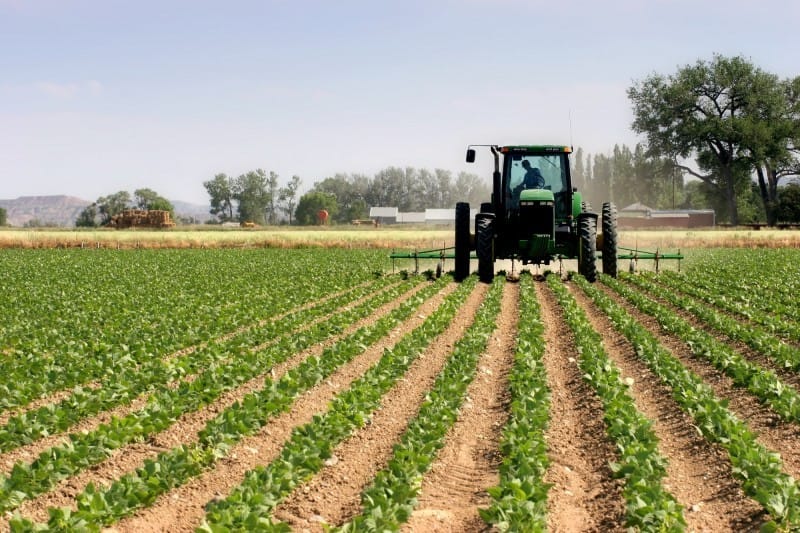
The autumn agricultural campaign in the region covers around 784,000 hectares. Of this total, approximately 580,000 hectares are dedicated to autumn cereals, including areas using direct seeding techniques, while 30,000 hectares are planted with autumn legumes.
Winter crop programs are projected over 12,000 hectares, with potatoes accounting for about 4,400 hectares and onions 950 hectares.
Authorities said the current weather conditions are accelerating planting operations while preparations continue for spring and summer crops to ensure steady vegetable supply throughout the year.
Rainfall is also expected to benefit fruit trees such as citrus, olives, and rosaceous varieties by improving tree health and product quality.
Pastures have likewise shown improvement, easing feeding costs for livestock producers and supporting animal production levels, contributing to market supply and price stability, particularly for red meat.