 Join on WhatsApp
 Join on Telegram
In the shadow of the Atlas Mountains and the rain of a Moroccan winter, the 2025 Africa Cup of Nations came to a thunderous close on Sunday evening in Rabat’s gleaming Prince Moulay Abdellah Stadium.
What should have been a pure celebration of African football’s vibrancy instead etched itself into history as a tale of two tournaments: one of unparalleled organizational brilliance by host nation Morocco, and another of simmering tensions that boiled over into outright chaos in the final against Senegal. For Morocco, this AFCON wasn’t just a hosting stint, it was a statement of sovereignty, a flex of global sports engineering that elevated the continent’s premier event to new heights. But as the confetti settled and the trophies were hoisted, the lingering question wasn’t about who won, but whether the spirit of the game could survive the drift toward unsportsmanlike brinkmanship.
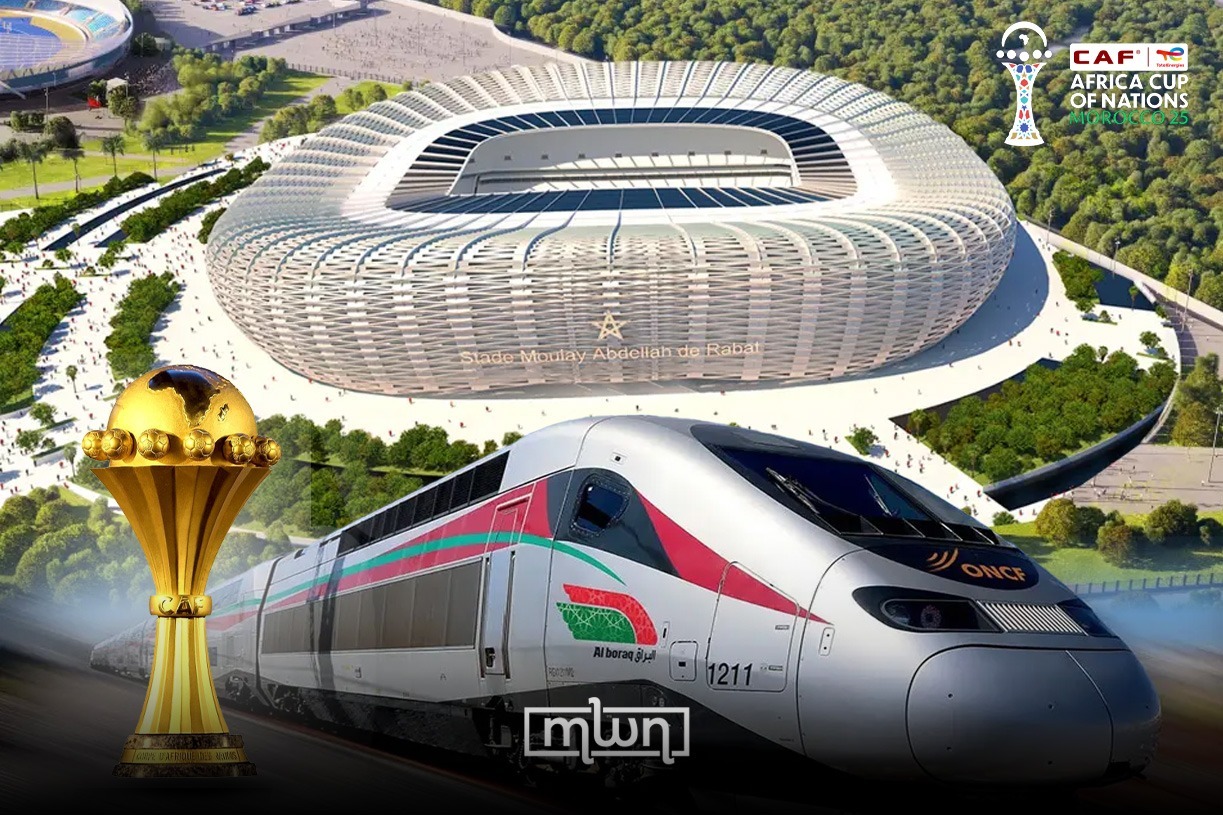
From the moment the first whistle blew in Rabat’s opening match, Morocco didn’t merely host, it orchestrated. State of the art stadiums with hybrid pitches that could make European clubs envious, training centers humming with cutting edge tech, and delegations pampered in five star digs. High speed TGVs zipped teams between cities, highways flowed like well oiled machines, and urban planning turned potential bottlenecks into seamless symphonies. Fan zones erupted in every host city, structured oases of joy where thousands reveled without a hint of disorder. And at the heart of it all? The Moroccan people, extending a hand of fraternal warmth that transcended borders. No major incidents, no violence on the home front, no accidents to mar the script. Objectively speaking, AFCON 2025 stands as the gold standard, the most secure, most polished, and most professional in the tournament’s storied history.
Yet, as the Atlas Lions progressed, a toxic undercurrent began to swirl. Whispers turned to shouts: rumors of favoritism, baseless claims of a “bought” path to glory. Media outlets from neighboring nations amplified the noise, stoking frustration and waging a shadow war of psy-ops. It was the kind of paranoia that poisons tournaments, but the logic fails under scrutiny. If Morocco could rig an AFCON, does that mean they scripted their 2022 World Cup semi-final run, too? That they “purchased” victories over Spain and Portugal on the pitch? No, the truth is etched in results: Morocco’s football renaissance is built on sweat, strategy, and systemic excellence, not shadowy deals.
This isn’t a fluke, it’s the dawn of a golden era. Between 2022 and 2026, Moroccan football has ascended to rarified air, a high-octane ecosystem firing on all cylinders. The senior squad’s Qatar heroics, the first African and Arab nation to reach the World Cup semis, set the tone, followed by a FIFA Top 15 lock and an Arab Cup crown. The Olympic team snagged bronze in Paris 2024 after dismantling Egypt and ruling the U23 AFCON. The local lads own the CHAN, futsal reigns supreme with continental hardware, and the women’s program burst onto the scene with a World Cup debut and African elite status. Even the youth pipelines are overflowing, with U17 and U20 titles stacking up as a testament to the Mohammed VI Academy and a state-backed vision that is as clear as the Sahara sky. It’s not one star shining, it’s an entire constellation.
But glory’s glow dimmed in the final, a 1-0 thriller against Senegal that devolved into a farce. With the clock ticking into the 92nd minute, a stone-cold penalty for Morocco ignited the powder keg. What ensued was unprecedented: Senegal’s players, encouraged by their bench, walked off the field for nearly 20 minutes, a blatant withdrawal that screamed destabilization. The interruption shattered rhythms and yanked the match from its sporting moorings. Compounding the mess were dubious refereeing calls, including the failure to retake the penalty despite the Senegalese goalkeeper clearly charging off his line early. Morocco’s federation has rightly filed protests. This isn’t sour grapes over a loss, it’s a stand against tactics that erode the game’s soul.
The ugliness didn’t stop there. In a stadium that epitomized Moroccan hospitality, stewards, volunteers, and security staff became targets by some Senegalese fans. One suffered a serious jaw injury amid the melee, infrastructure was vandalized. For a host nation that had been flawless, this was a gut punch. Morocco must demand accountability: impunity has no place in sport.
Still, introspection is key. In the heat of that bedlam, the Moroccan staff engaged with the opposition bench, fueling the fire instead of dousing it. Emotion overrode strategy, cracking the mental armor and contributing to the missed penalty and a disjointed finish. At this elite level, emotional mastery is as decisive as tactics.
None of this diminishes the legacy of national coach Walid Regragui, the architect of Atlas Lions’ magic. But in powerhouse nations, systems trump individuals. As Morocco evolves, the institutional blueprint and the vision must remain the primary guarantee of continuity and sporting sovereignty.
One glaring gap exposed was crisis communication. After pouring billions into infrastructure, some media response remained reactive. The role of the national press is to contextualize, defend dignity, and support institutional action, not to fan flames in the heat of the moment.
In the end, Morocco emerges unbowed. They swallowed the defeat with grace but draw a line at hooliganism and bias. This AFCON cements their status as a premier global host. Now, the ball is in CAF and FIFA’s court: Will they enforce justice regarding the walkout, the blatant refereeing lapses, and the violence? Or will inaction greenlight a dangerous precedent?
Ultimately, one truth remains unshakeable: attempts to sow discord will never prevail against a nation defined by its serenity. Morocco is a sanctuary of peace, guided by the enduring principles of hospitality, coexistence, and dignity. Above all, the Kingdom is, and shall remain, profoundly and unapologetically African. This identity is no mere slogan; it is a historical reality woven into our geography, our culture, and our shared destiny.
We refuse to fall into the traps set by those who seek to fracture African unity or spark artificial tensions with our brothers. We meet isolated incidents with the clarity of a nation that knows its worth, ensuring that temporary shadows never dim our profound respect for the continent or our global allies.
Africans by history, Africans by conviction, and Africans for eternity we take immense pride in our deep-rooted partnerships across Africa, the Americas, and Europe. Morocco’s hand remains extended with grace and openness, yet when our dignity is tested, Morocco stands firm with the quiet composure. Confident in our roots and steadfast in our principles, we continue our journey with a strength that is as calm as it is unwavering.