
Health misinformation has become one of the most serious public health challenges of the digital era. On platforms such as Instagram, TikTok, and YouTube, unverified medical advice spreads faster than ever—often reaching millions before it can be corrected.
For young audiences, especially in countries where access to reliable medical information is limited, this phenomenon can lead to dangerous health decisions. In response to this growing issue, I decided to use my own experience as a Moroccan medical student based in Romania, to harness social media not for entertainment, but for evidence- based health education.
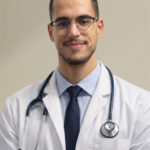
Known online as “Doc.karami“, I represent a new generation of medical communicators who aim to make science understandable, accessible, and responsible.
Currently studying medicine at Grigore T. Popa University of Medicine and Pharmacy, I belong to Gen Z that grew up alongside social media—fully aware of both its power and its risks.
Rather than incorrectly positioning myself as a doctor, I choose to be transparent about my status as a medical student. My content does not provide diagnoses or personalized medical advice. Instead, it focuses on medical literacy, prevention, and debunking false claims that circulate widely online.
My journey to becoming a public health communicator
During my medical training, I have noticed a growing gap between scientific knowledge and what the public consumes on social media. Viral videos promoting miracle cures, dangerous diets, or misleading health trends are often more popular than factual medical explanations.
This observation led me to launch educational content as Doc.karami, focusing on health myths and misinformation, basic medical concepts explained simply, healthy lifestyle education, mental health awareness, and addiction education.
My approach is deliberately calm and educational, avoiding fear-based messaging or sensationalism.
Why social media matters in health education
Social media has become a primary source of information for young people worldwide. Ignoring it allows misinformation to dominate public discourse.
In this context, I believe that medical professionals and students have a responsibility to engage with people where they are at, rather than expecting audiences to seek out academic sources on their own.
By translating medical knowledge into accessible language, I aim for my content to help viewers recognize unreliable medical claims, understand basic health principles, and know when to seek professional medical care.
Fighting misinformation responsibly
One of the core principles behind my work is ethical communication. I consistently remind my audience that online content cannot replace formal medical consultation and encourage them to seek healthcare professionals when needed.
Instead of attacking individuals who share false information, my strategy focuses on explanation and context. This method has helped build trust with my audience and promotes constructive dialogue around health topics.
Impact and reach
Across platforms such as Instagram, TikTok, andYouTube, I have reached over 100,000 followers, primarily among young Moroccans and members of the Moroccan diaspora.
My content has been shared widely, particularly videos addressing smoking, nutrition myths, and common medical misconceptions. This reach reflects a growing demand for reliable health education presented in a relatable and culturally relevant manner.
The Moroccan audience
In Morocco, health misinformation can have particularly strong consequences due to linguistic barriers, social beliefs, and unequal access to healthcare services. Social media often becomes the first—and sometimes only—source of information.
Having a Moroccan medical student actively engaging in health education helps bridge this gap, offering credible explanations while remaining culturally aware and responsible.
Looking Ahead
While continuing my medical studies, I plan to expand my role in health communication through engaging in public discourse with professionals in the field.
My long-term vision is to contribute to a healthier public understanding of medicine — where information is accurate, accessible, and free from sensationalism.