
 Join on WhatsApp
 Join on Telegram
Rabat – Cairo will become the hub for a groundbreaking conversations on artificial intelligence and governance, hosting the first Ai Everything Middle East and Africa (MEA) conference from February 11 to 12.
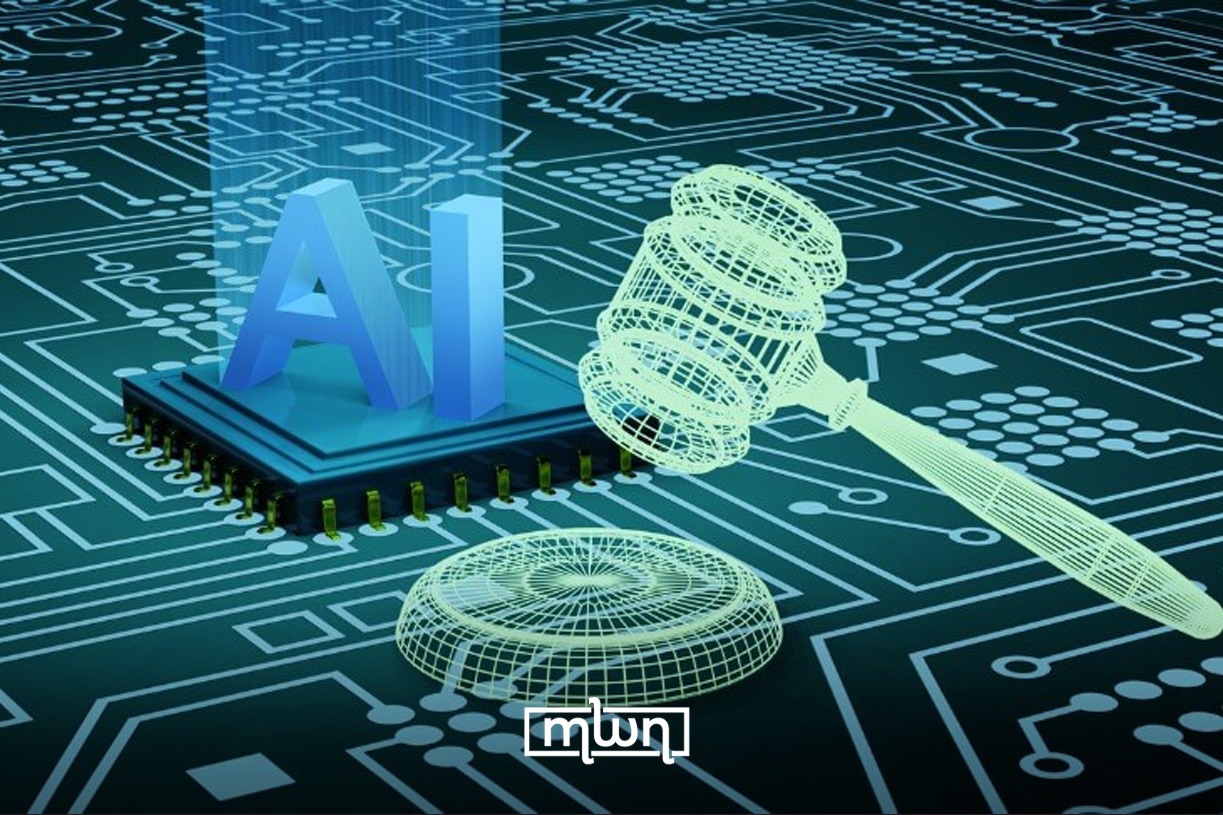
The event brings to the forefront a shift in perception: AI is no longer a niche technological tool, but a structural force with the potential to reshape how governments operate and serve their citizens.
AI as a tool for modern governance
A core focus of the event, the “AI Government” theme will examine how artificial intelligence can strengthen administration, improve public services, and support national security.
Policymakers and experts will discuss case studies where AI has already enhanced decision-making processes, optimized urban management, and reduced bureaucratic bottlenecks.
In urban planning, AI helps authorities analyze traffic flows, allocate resources efficiently, and predict infrastructure needs. In public safety, algorithms can support emergency response, monitor public spaces, and identify risks before they escalate.
Governments can also leverage AI to automate repetitive tasks, freeing personnel to focus on more complex challenges.
Yet, the integration of AI into public administration comes with questions of ethics, transparency, and accountability. The conference looks to address these issues head-on, exploring regulatory frameworks that ensure AI systems operate in the public interest while maintaining citizen trust.
Regional ambitions for data-driven governance
The focus on AI in government also reflects broader ambitions across the Middle East and Africa. Several countries in the region are pursuing modernization programs that rely on data-driven decision-making, digital public services, and enhanced institutional efficiency.
For instance, just last month, Morocco officially launched its national AI roadmap, “Maroc IA 2030”, as part of the North African country’s AI governance strategy. The strategy focuses on digital sovereignty, the development of national skills, innovation incentives, and territorial inclusion. The approach also seeks to prioritize territorial balance by aligning AI specialization with Morocco’s regional needs.
Meanwhile, over in the Middle East, the UAE has approved the launch of the world’s first integrated regulatory intelligence ecosystem within its government through AI. The new AI-powered system strives to reshape the legislative processes to enable faster and more accurate drafting of laws.
By highlighting successful models and policy strategies, Ai Everything MEA provides a platform for governments to learn from one another and to align technology deployment with regional realities.
Egypt’s national AI strategy as a driving force
Cairo’s role as host aligns with Egypt’s National Artificial Intelligence Strategy 2025-2030, which positions AI as a cornerstone of economic development, administrative reform, and digital sovereignty.
Organized by GITEX GLOBAL in partnership with Egypt’s Ministry of Communications and Information Technology and the Information Technology Industry Development Agency (ITIDA), the event underlines Egypt’s ambition to move from strategy to action.
Over two days, the conference will gather enterprises, startups, policymakers, researchers, and investors from over 60 countries.
Discussions will prioritize applied AI, showcasing real-world deployments and collaborative frameworks rather than abstract concepts. This approach reflects a growing recognition in the region that AI is no longer an optional innovation but a core tool for competitiveness, efficiency, and societal progress.
A platform for collaboration and innovation
Ai Everything MEA also addresses the need for cross-sector cooperation. By bringing together government officials, private companies, and academia, the event creates an environment where ideas can be translated into practical solutions.
From automating citizen services to enhancing emergency preparedness, AI’s potential to transform governance depends on strategic partnerships and shared learning.
For Egypt, the conference represents a tangible step toward implementing national AI ambitions. For the Middle East and Africa, it offers a rare opportunity to frame AI as an economic driver and a governance tool, shaping how societies manage resources, respond to challenges, and envision the future of public institutions.