
Rabat – Morocco’s social protection reform entered a new phase this week as the National Agency for Social Support (ANSS) outlined fresh steps to strengthen governance and bring services closer to families in need.
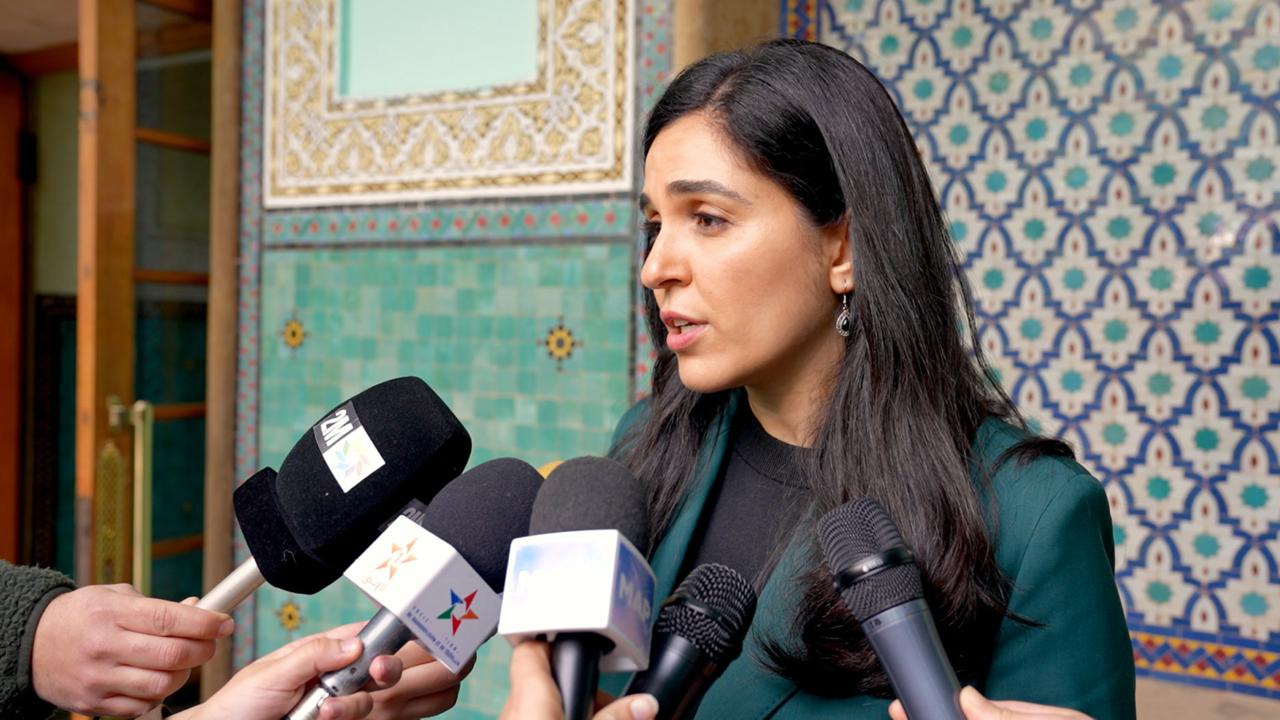
Speaking after a board of directors meeting held yesterday, Director General Wafaa Jemali said the agency has reinforced its internal systems in 2025 to ensure that the royal program for direct social assistance delivers measurable and lasting results.
The program supports 5.5 million children and 1.7 million elderly citizens from low-income households. For many families, these monthly transfers represent more than financial relief and they provide stability in times of rising costs and economic uncertainty.
“Our priority is not only to distribute aid efficiently,” Jemali stressed, “but to ensure that this support strengthens households over the long term and contributes to inclusive territorial development.”
Stronger foundations for a national program
Over the past year, ANSS focused on consolidating its management framework. The agency revised internal procedures, improved oversight tools, and clarified accountability mechanisms.
Officials say these measures will secure transparent and effective delivery of public funds.
The goal, according to Jemali, is to transform direct aid from a short-term safety net into a structured pillar of human development policy. That shift reflects a broader national ambition to reduce poverty rates and narrow social disparities across regions.
El Jadida office to bring services closer
The board also examined the opening of a new territorial representation in El Jadida Province.
The decision signals a move toward a more localized approach, with field offices that understand the specific needs of communities.
ANSS believes proximity matters. A local presence can help families navigate administrative procedures, access complementary programs, and receive guidance tailored to their socio-economic realities.
Rather than limit its role to cash transfers, the agency aims to link beneficiaries with support mechanisms that encourage autonomy, workforce participation, and long-term resilience.
Measuring what matters
The board adopted a performance monitoring mechanism to assess the program’s impact on poverty and vulnerability. The system will track key indicators and evaluate how effectively transfers improve living conditions.
This results-based approach reflects a shift in public management culture. Authorities seek concrete evidence that social spending reduces hardship and strengthens communities.
For millions of Moroccan households, the evolution of the direct aid program carries tangible implications.
As ANSS deepens its territorial roots and sharpens its accountability tools, the agency positions itself as a distributor of assistance and a central actor in Morocco’s social transformation agenda.