 Join on WhatsApp
 Join on Telegram
The CS2 case economy plays a big role in the game’s money system. Players open digital containers called cases to get cosmetic skins for weapons and gear.
Over time, this system grew into a larger market where players buy, sell, trade, and sometimes hold items for long-term value.
How CS2 cases work
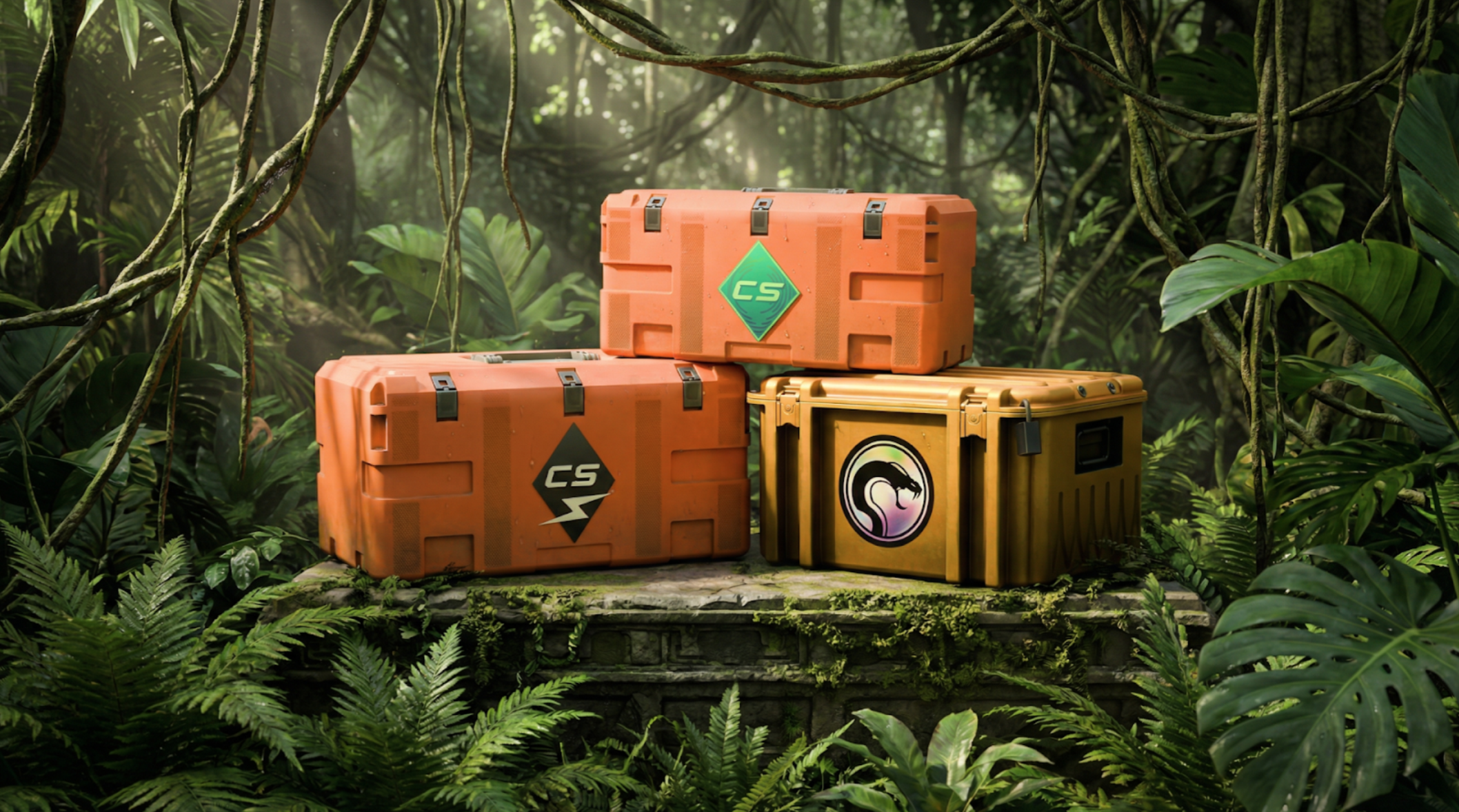
Each CS2 case includes a set pool of cosmetic items, ranging from common weapon skins to very rare items like knives. To open a case, you need the case and a key.
On Steam, players usually buy keys in the Steam store. Players can get cases from gameplay drops or buy them on marketplaces.
Every case opening uses a random system. The game assigns each item to a rarity tier, and each tier has a fixed drop chance. Community data suggests gold-tier items like knives drop very rarely, at about 0.26% (around 1 in 385 openings).
Understanding ROI in case opening
ROI means “return on investment.” In CS2 cases, ROI compares what you get from an opening to what you pay for the case and key.
Most openings give common items with low market value. Because of that, the average return often stays below the cost of opening, especially after marketplace fees. Analysts estimate expected returns by combining drop rates with current market prices.
| Rarity Tier | Typical Drop Rate | Role in ROI Model |
| Mil-Spec (Blue) | ~79.92% | Common, low avg value |
| Restricted (Purple) | ~15.98% | Moderate value |
| Classified (Pink) | ~3.20% | Mid-tier potential |
| Covert (Red) | ~0.64% | High value potential |
| Gold (Knife/Gloves) | ~0.26% | Ultra-rare, high impact |
Why third-party marketplaces matter
Steam Community Market is the main place to trade CS2 skins, but many players also use third-party sites. These sites often give more options. Steam keeps your money in the Steam Wallet and charges selling fees. Many third-party platforms use different fees and may let you cash out to real money.
Third-party marketplaces also let you buy the exact skin you want. You do not need to open many cases and hope for a rare drop. This method helps you control spending and focus on skins you think will hold value over time.
Benefits of opening cases on external platforms
Some trusted third-party sites offer options that the game does not. They may charge different fees, so you can keep more value when you trade. They may also list more cases and more prices, which makes it easier to compare options. Many platforms also offer payouts, so you can withdraw money instead of keeping all value in Steam Wallet.
These benefits matter most for players who want clear costs and more control, not only the excitement of random openings. Valve’s system feels simple, but it keeps funds in Steam Wallet and uses fixed pricing rules.
Third-party platforms often give more flexibility through different prices, more case options, and extra features like promotions, rewards, battles, upgrades, and clearer drop information. This range of options can help users make more planned choices, especially when they focus on ROI and long-term inventory growth.
Featured platforms in the CS2 case economy
Skin.Club is one of the best-known platforms in the CS2 case economy. It offers case openings, upgrades, and case battles in one place, so players can choose different ways to get skins. The site shows each case’s item pool and drop chances, which helps users understand what they might get before they open a case.
Skin.Club also uses a clear progression system. This means players can use skins for upgrades, join battles against other users, or withdraw items to their Steam inventory. The setup gives players more flexibility. Some users aim for high-tier items with a plan, while others focus on the fun of opening cases. The platform also supports several payment methods, which helps users in many regions.
Other platforms also support the CS2 market:
- Skinport lets users buy and sell skins for real money. It offers clear pricing, clear fees, and a simple trading process.
- CSFloat Market focuses on float values and detailed skin data. It helps users compare conditions and follow price trends, which supports smarter buying decisions.
These platforms give players more options in the CS2 economy. Skin.Club stands out because it mixes entertainment features with tools that support long-term skin growth, not only basic trading.
Strategic outlook and sustainable participation
Market Cycles and Timing in the CS2 Economy
Prices change based on player activity, esports events, new cases, and Steam market changes and trends. New operations or collections can also push interest back to older items, especially when supply starts to shrink.
Valve explains that Steam Market prices follow user supply and demand, so price swings happen naturally.
If you want long-term value, look at patterns over months, not days. Discontinued cases and limited collections often gain value over time because fewer copies enter the market and collectors keep buying.
Probability vs Strategy: Making Rational Decisions
Case opening depends on probability. Expected value uses drop rates and average prices to estimate what you get back. When the system gives low-value results most of the time, long-run averages usually favor the platform, not the player.
Strategy can help. Many experienced users mix selective case openings with direct purchases. This reduces risk while still keeping some of the fun.
A simple way to think about it:
- Only opening cases: high risk, mostly for entertainment
- Only buying skins directly: lower risk, focused on value
- Mixing both approaches: balanced risk and enjoyment
This mindset helps people avoid emotional decisions.
Risk and expected value in case economy
Opening cases involves risk, and results can vary a lot. A rare drop can be worth a lot, but most openings give items worth less than the case and key. If you open cases to make money, you often get a negative average ROI.
Many players open cases for the excitement, not for profit. For them, the experience matters as much as the item.
Treat case opening as entertainment and control your spending. Many experienced players:
- Set a clear budget
- Track ROI over time
- Avoid trying to win back losses
- Spread value across different items instead of focusing on one big win
These habits make spending more planned and less impulsive.
Long-term value: collectibles, scarcity, and cultural demand
CS2 skins work like digital collectibles. Limited supply and strong community interest can support demand over time.
Rare knives, discontinued collections, and well-known esports skins can gain value because players care about them. Still, prices do not always rise. New releases, changing taste, and too much supply can lower demand. Watch market trends instead of expecting steady growth.
Long-term traders usually focus on:
- Rarity
- Limited supply
- Community interest
- How easy it is to trade the item
Many traders build a balanced collection. They keep popular skins that sell easily and add rarer items that may grow if demand increases.
ROI, risk, and informed engagement
The CS2 case economy combines probability, trading behavior, and community demand. Expected value often looks negative if you open cases repeatedly.
Strategy can improve your results, especially when you buy selectively, watch the market, and stay disciplined.
Platforms like Skin.Club, along with marketplaces like Skinport and CSFloat Market, give players more ways to take part in this economy. In the end, success depends on more than luck. It depends on understanding risk, using expected value, tracking scarcity, and making steady choices over time.