
 Join on WhatsApp
 Join on Telegram
Rabat – Bank Al-Maghrib (BAM) is moving forward with plans to create a secondary market for non-performing loans, a reform expected to ease pressure on banks and support lending across Morocco’s economy.
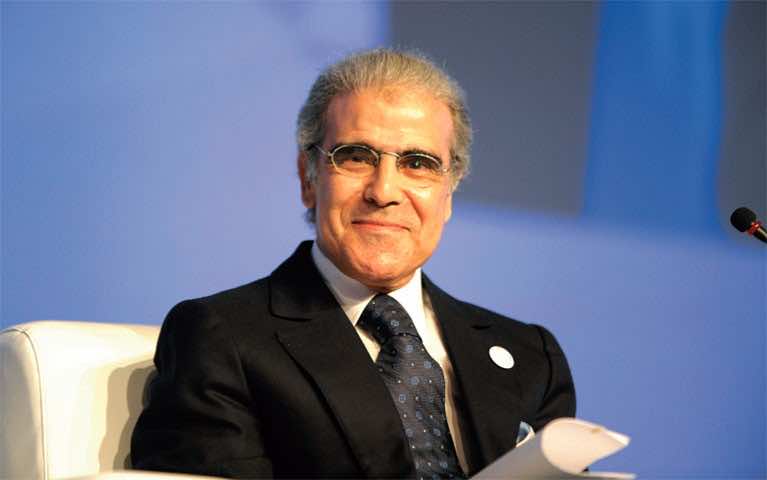
At a national seminar held today in Rabat, central bank governor Abdellatif Jouahri said bad loans accounted for 8.2% of total banking assets by the end of 2025, with a volume that exceeds MAD 100 billion. He described the ratio as elevated when compared to international norms.
Jouahri explained that these loans continue to weigh on bank balance sheets and limit the ability of institutions to extend new credit. A dedicated secondary market would allow lenders to transfer such assets, improve liquidity, and redirect financing toward businesses and households.
The reform relies on draft legislation that sets out the legal framework for transferring distressed debt.
The text, prepared with support from the International Finance Corporation, aims to simplify procedures while ensuring that guarantees linked to the loans pass automatically to buyers. It also introduces safeguards to protect borrowers, with particular attention to personal data.
BAM has also adjusted its internal rules. A revised circular issued in December 2025 introduces a new category of “sensitive” loans, tightens conditions for restructuring, and expands the definition of default.
These changes seek to improve clarity and strengthen discipline in how banks manage credit risk.Jouahri pointed to the role of digital tools in modernizing recovery processes.
Authorities plan to introduce online auction platforms for asset sales and provide technical tools to assist judges and experts in calculating interest.
Coordination with the Ministry of Justice also covers the wider use of electronic payment systems for court fees.
Banks have also adopted a code of conduct under the supervision of the central bank. The framework sets standards for transparency in debt recovery before any legal action and gives priority to amicable solutions with clients.
Meanwhile, Mounir Mountassir Bilah, secretary general of the Supreme Council of the Judicial Power, outlined the main challenges faced by commercial courts.
Judges often confront disputes over how to determine the exact level of debt, the reliability of account statements, and the calculation of interest and fees. Questions also arise around guarantees and the transfer of loans to third parties.
He called for a coordinated response that draws on court practice, identifies legal gaps, and introduces targeted reforms. He also stressed the need for stronger specialization within the judiciary and closer cooperation between legal professionals and the banking sector.
Participants at the seminar, which brought together public institutions, banks, and legal experts, aim to produce concrete proposals to improve the efficiency of Morocco’s framework for recovering distressed loans.