
 Join on WhatsApp
 Join on Telegram
Rabat – Iran has received a 15-point plan from the US aimed at ending the ongoing war but Tehran views it as “extremely maximalist and unreasonable,” a senior Iranian diplomatic source told Al Jazeera earlier today.
The source said the proposal, which Pakistan reportedly delivered, does not match how it has been portrayed in some media reports, calling it deceptive and “not beautiful even on paper.”
Donald Trump put forward the plan, which includes a 30-day ceasefire while both sides negotiate a broader agreement. It also reportedly calls for Iran to dismantle key nuclear facilities in Natanz, Isfahan, and Fordow, stop enriching uranium, and hand over its stockpile to the International Atomic Energy Agency.
Other demands include limits on Iran’s missile program, ending support for regional allies, and reopening the Strait of Hormuz.
In return, the US would lift sanctions on Iran and support civilian nuclear energy projects, including the Bushehr power plant.
Despite these proposals, Iran has denied that any direct or indirect negotiations are currently taking place. Iranian officials rejected Trump’s claims of “productive conversations,” with one military spokesperson saying the US is “negotiating with itself.” According to the diplomatic source quoted in Al Jazeera’s report, no US-Iran talks have taken place since the war broke out, though the countries have exchanged messages through mediators.
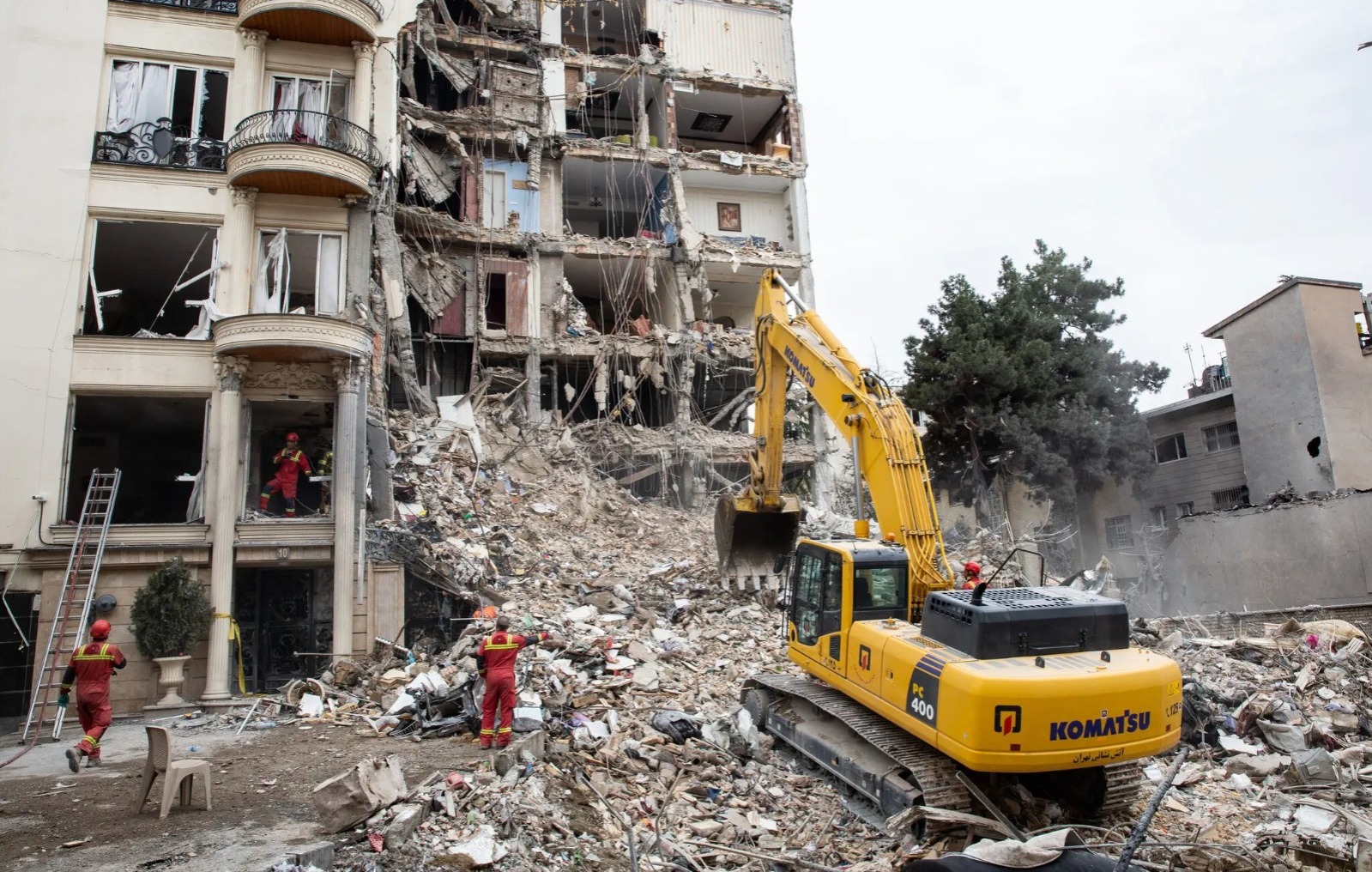
The war, which began on February 28 during ongoing negotiations after the US and Israel attacked Iran, has caused heavy losses and global economic disruption. Iranian officials say at least 1,500 people have been killed and more than 18,000 injured. Fighting has also driven oil prices above $100 per barrel and disrupted shipping in the Strait of Hormuz, a key global energy route.
Iran’s leadership has outlined its own conditions for ending the war. President Masoud Pezeshkian said peace would require recognition of Iran’s rights, compensation for damages, and guarantees against future attacks. Iran also wants all sanctions lifted and has called for the closure of US military bases in the region.
While some experts believe talks are still possible due to growing pressure on both sides, major differences remain. Iran insists it will not give up its right to peaceful nuclear technology, while the US continues to push for strict limits.
For now, the gap between the two sides suggests that a quick agreement is unlikely.