
 Join on WhatsApp
 Join on Telegram
Rabat – As part of its ongoing presence at the 2026 International Publishing and Book Fair (SIEL), the National Human Rights Council (CNDH) has continued to devote significant space to children and their place in public life. On Saturday morning, that approach took another interactive form through a program designed and led by children themselves.
Organized by the Regional Human Rights Commission of Marrakech-Safi, today’s “Children’s Morning” placed young participants at the center of the program. The initiative was set to make children not only receive messages about their rights, but also express them in their own way.
Stories that speak to children
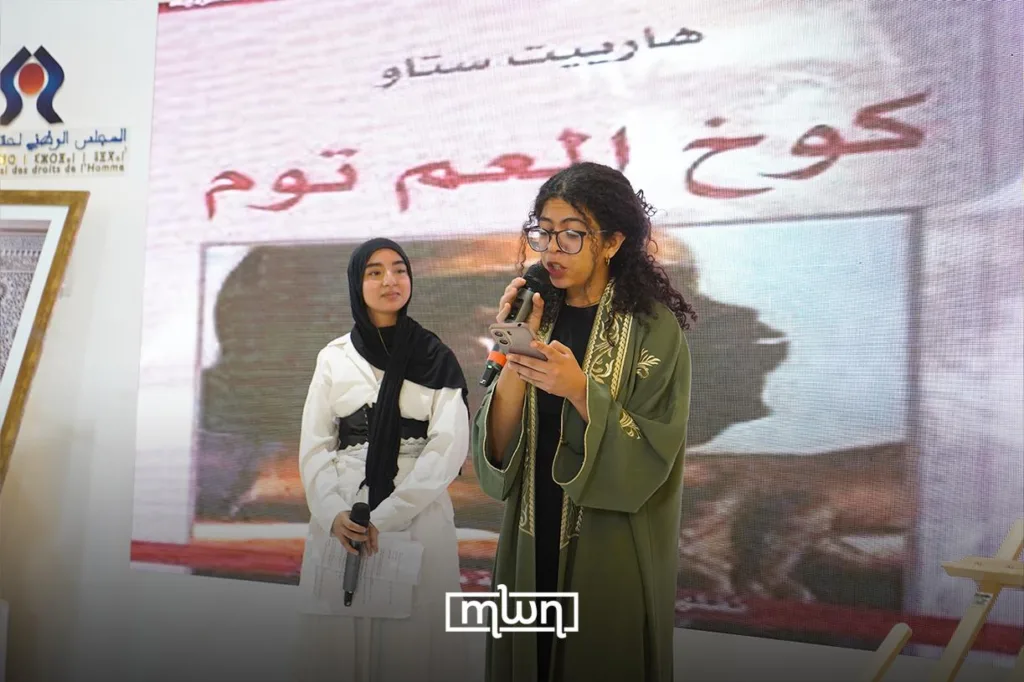
The morning included readings from publications designed for younger audiences. Produced by the council, these texts approach questions of rights, dignity, and participation through simple narratives.
Children did not sit as passive listeners. Instead, many reacted to the stories, shared impressions, and stepped into the role of narrator. The format allowed them to engage with ideas that often appear distant in more formal settings.
A stage open to expression
The program moved beyond books. Short plays, songs, and cultural performances filled the space. Each act carried a sense of spontaneity, with children shifting between roles as performers and spectators.
The atmosphere drew in adults as well. Families and visitors responded to the performances, which created a shared moment rather than a one-sided presentation. The exchange felt direct, shaped by the children’s presence and energy.
Culture as a language of rights
The event relied on culture to approach complex themes. Instead of abstract explanations, the activities offered children tools to express themselves. Through performance and storytelling, they gave form to ideas that might otherwise remain out of reach.
This approach reflects a broader direction in the council’s work: to bring discussions about children’s rights closer to everyday experience. Culture, in this context, becomes more than entertainment. It acts as a language that children understand and reshape.
A different kind of participation
What stood out during the morning was not only the content of the activities, but the position given to children. They did not follow a fixed script, but they interpreted, reacted, and at times redirected the moment itself, shaping the flow of the program through their presence.
This approach did not come in isolation. Throughout SIEL, CNDH has consistently devoted a large part of its space to children. Panels, discussions, and interactive formats have returned to the same question: how to move beyond symbolic inclusion and allow children to take part in conversations that concern them.
The “Children’s Morning” translated that direction into practice. Instead of speaking about children’s rights in abstract terms, the event created conditions where those rights could be exercised.
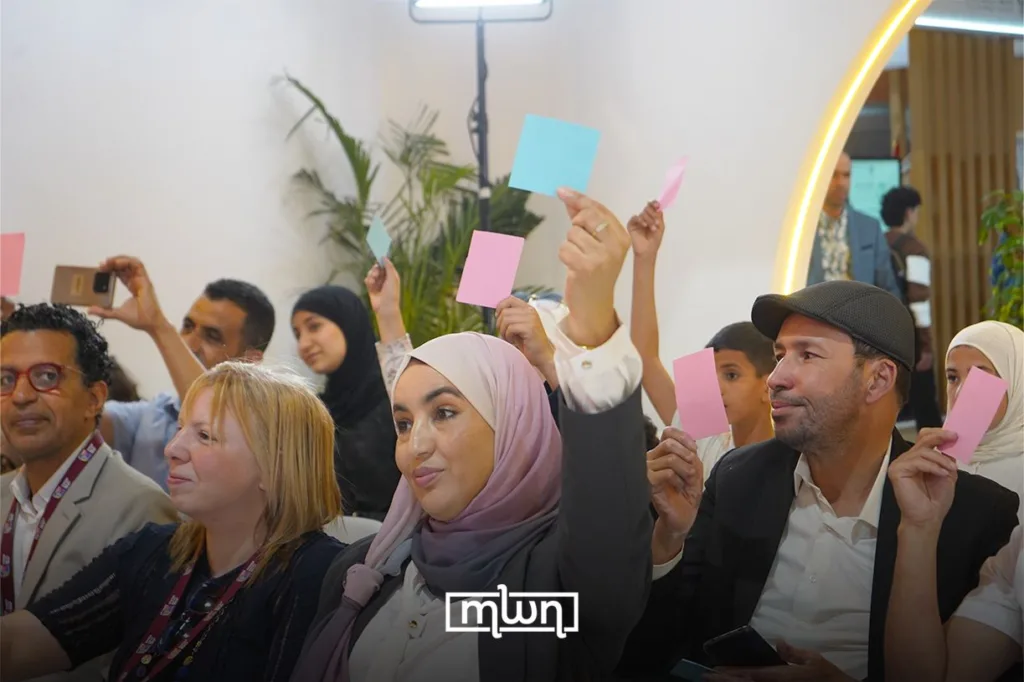
At SIEL, this moment offered a clear message. When space opens in a concrete way, children do not remain on the margins, and instead, end up stepping forward, shaping the exchange, and expressing themselves in forms that feel immediate and genuine.