 Join on WhatsApp
 Join on Telegram
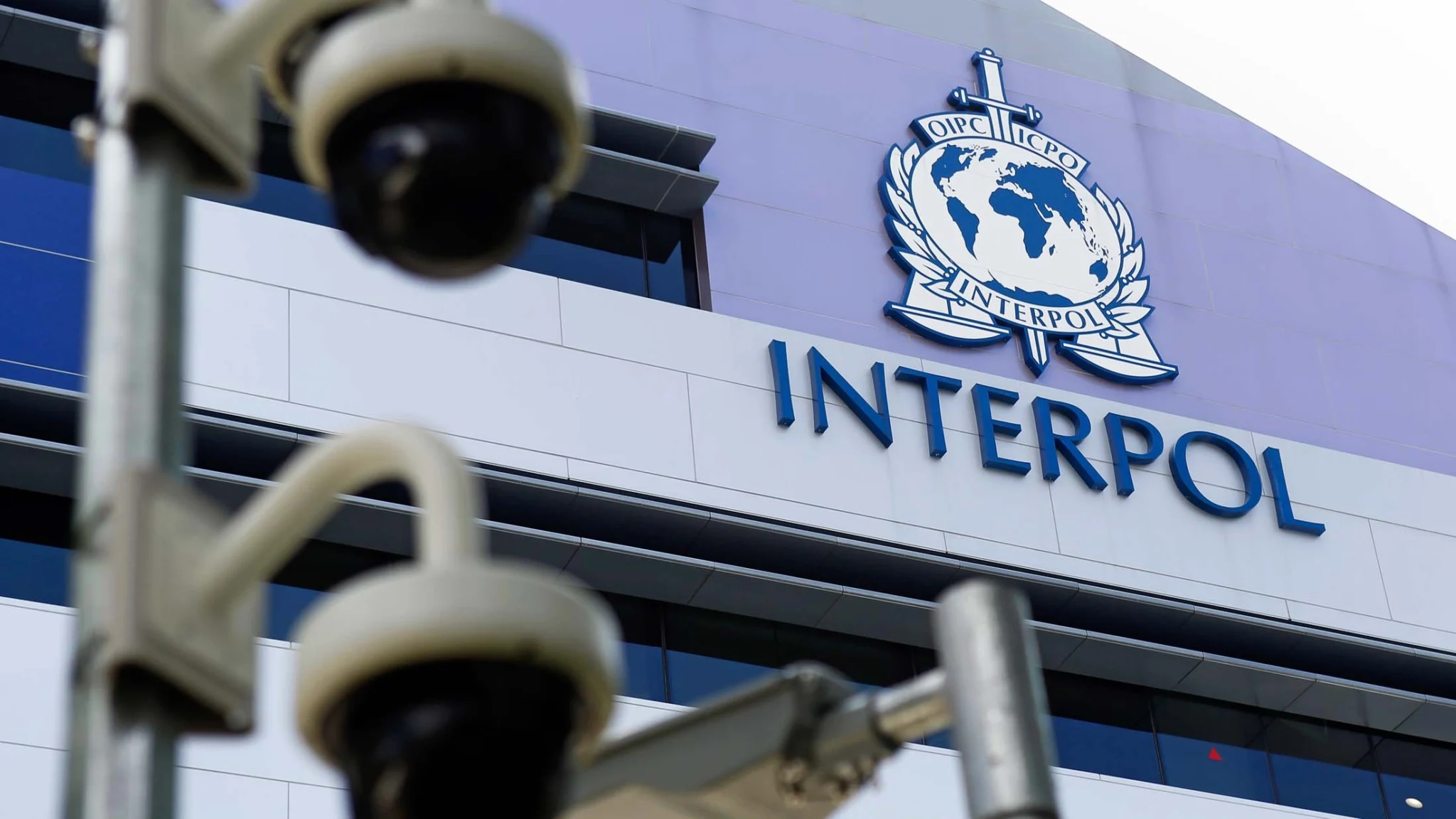
Marrakech – INTERPOL announced on Monday that Morocco participated in the first large-scale cybercrime operation ever coordinated by the organization in the Middle East and North Africa region.
Operation Ramz, which ran from October 2025 to February 28, 2026, brought together 13 countries and resulted in 201 arrests, with a further 382 suspects identified. The operation targeted phishing networks, malware infrastructure, and cyber scams across the region.
Moroccan authorities seized computers, smartphones, and external hard drives containing banking data and software used for phishing operations. Three individuals are undergoing judicial procedures in connection with the case, while others remain under investigation.
Across all participating countries, 3,867 victims were identified, and 53 servers were seized. Nearly 8,000 pieces of data and intelligence were disseminated among the 13 nations to initiate and support investigations.
“In a world where cybercriminals exploit the digital landscape without borders, Operation Ramz demonstrates the effectiveness of global collaboration,” INTERPOL’s Director of Cybercrime Neal Jetton noted in the statement. “INTERPOL is dedicated to working with its member countries and private sector partners to take down malicious infrastructure, disrupt criminal groups, and bring perpetrators to justice.”
The operation also uncovered a human trafficking dimension in Jordan. Police there located a computer running financial fraud scams through a fake trading platform.
A raid identified 15 individuals carrying out the schemes, but investigators determined they were trafficking victims recruited under false employment promises from their home countries in Asia. Their passports had been confiscated upon arrival. Two suspects believed to have orchestrated the operation were arrested.
In Algeria, a website offering phishing as a service was dismantled. Authorities seized a server, a computer, a mobile phone, and hard drives containing phishing scripts. One suspect was taken into custody.
In Qatar, compromised devices were identified, with their owners found to be unwitting victims whose systems were being used to spread threats. In Oman, a vulnerable private server containing sensitive information was disabled after investigators found multiple critical security flaws, including malware infection.
INTERPOL worked with private sector partners Group-IB, Kaspersky, the Shadowserver Foundation, Team Cymru, and TrendAI throughout the operation. It received support from the Qatar Ministry of Interior and was partially funded by the European Union and the Council of Europe under the CyberSouth+ project.
Participating countries included Algeria, Bahrain, Egypt, Iraq, Jordan, Lebanon, Libya, Morocco, Oman, Palestine, Qatar, Tunisia, and the UAE.
The announcement coincided with the opening of Morocco’s General Directorate of National Security (DGSN)’s annual open days in Rabat on Sunday, marking its 70th anniversary.
INTERPOL President Lucas Philippe, speaking at the event, pointed to Morocco’s sustained investment in its police institution under King Mohammed VI.
“The prestige of a police institution is measured on several levels. It starts internally, in the pride of those who serve it. It extends to citizens, in the trust it inspires. And it reaches beyond borders, in the credibility it projects on the international stage,” Philippe told attendees.
He described the DGSN’s new headquarters as a mark of confidence in the professionalism of the police force, and drew a parallel with INTERPOL’s own expansion of its Lyon headquarters.
Morocco’s security profile within INTERPOL has grown in recent years. The country hosted the 93rd INTERPOL General Assembly in Marrakech, where Prefect Mohammed Dkhissi was elected vice-president of the organization.
The DGSN, under the leadership of Director General Abdellatif Hammouchi, has expanded its international security footprint across Europe, the Sahel, and the broader Middle East.