Fez – A high-level Moroccan delegation arrived in the Nicaraguan capital of Managua to take part in the regional seminar of the United Nations Committee of 24 (C24) for the Caribbean, held from May 25 to 27.
The meeting comes at a time of growing international momentum for Morocco’s Autonomy Plan for the Sahara under Moroccan sovereignty.
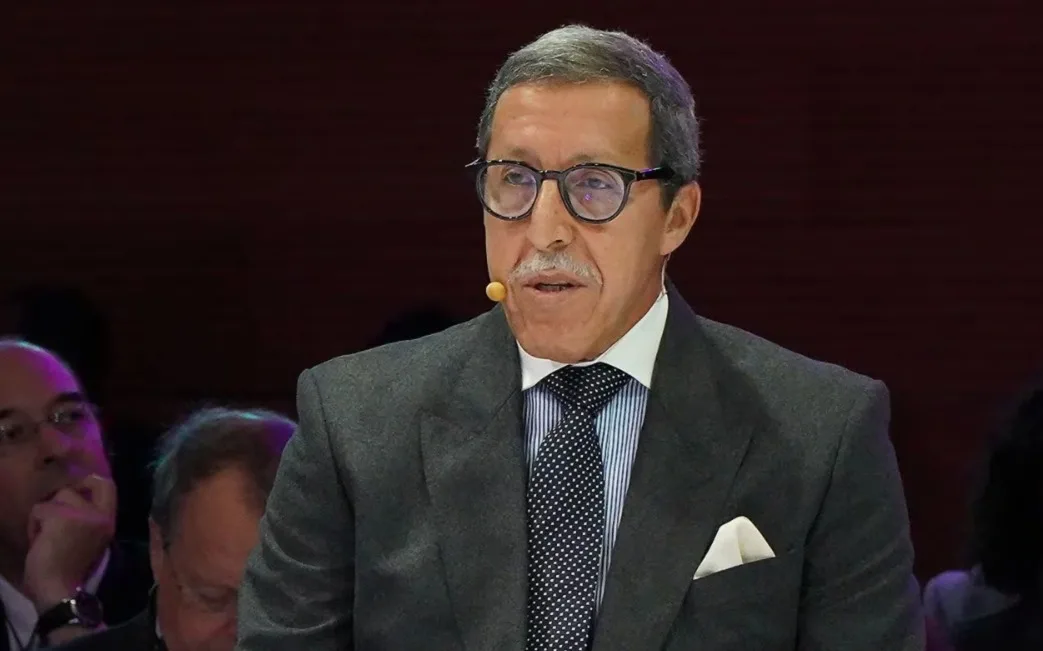
The Moroccan delegation is led by Omar Hilale, Morocco’s Permanent Representative to the United Nations in New York.
It includes officials from the Ministry of Foreign Affairs, as well as the vice president of the Royal Advisory Council for Saharan Affairs (CORCAS).
At the invitation of the chair of the C24 Committee, two elected representatives from the Western Sahara are also participating in the seminar.
They are Ghalla Bahiya from the Dakhla-Oued Eddahab region and M’hamed Abba from the Laâyoune-Sakia El Hamra region.
Their participation marks the eighth consecutive year that elected officials from the Sahara have attended the regional C24 seminar.
Since 2019, the presence of local representatives from Morocco’ssouthern provinces at the seminar has changed the dynamics of participation within the committee.
The Managua meeting is being held eight months after the adoption of UN Security Council Resolution 2797, which called on all four parties to engage in discussions without preconditions in order to reach a lasting political solution based on realism and compromise.
According to Moroccan officials, the seminar offers an opportunity to present recent developments related to the Sahara dispute and to highlight the international momentum supporting Morocco’s Autonomy Plan.
Rabat says the proposal now enjoys the support of 130 countries, including permanent members of the UN Security Council, while several states have withdrawn recognition of the self-proclaimed Sahrawi Arab Democratic Republic (SADR) in recent years.
This year’s seminar is taking place under the theme “Renewed Commitments, Partnerships and Innovative Approaches,” with a special focus on resilience, sustainability and climate-related challenges in line with the UN Sustainable Development Goals.
During the event, the Moroccan delegation is also expected to present the progress achieved under the New Development Model for the southern provinces, launched by King Mohammed VI in 2015 with a budget exceeding $10 billion.
Moroccan officials say the development model has transformed the southern provinces through major infrastructure projects and investments in renewable energy, the blue economy and desalination plants, positioning the region as a strategic economic hub in Africa.