 Join on WhatsApp
 Join on Telegram
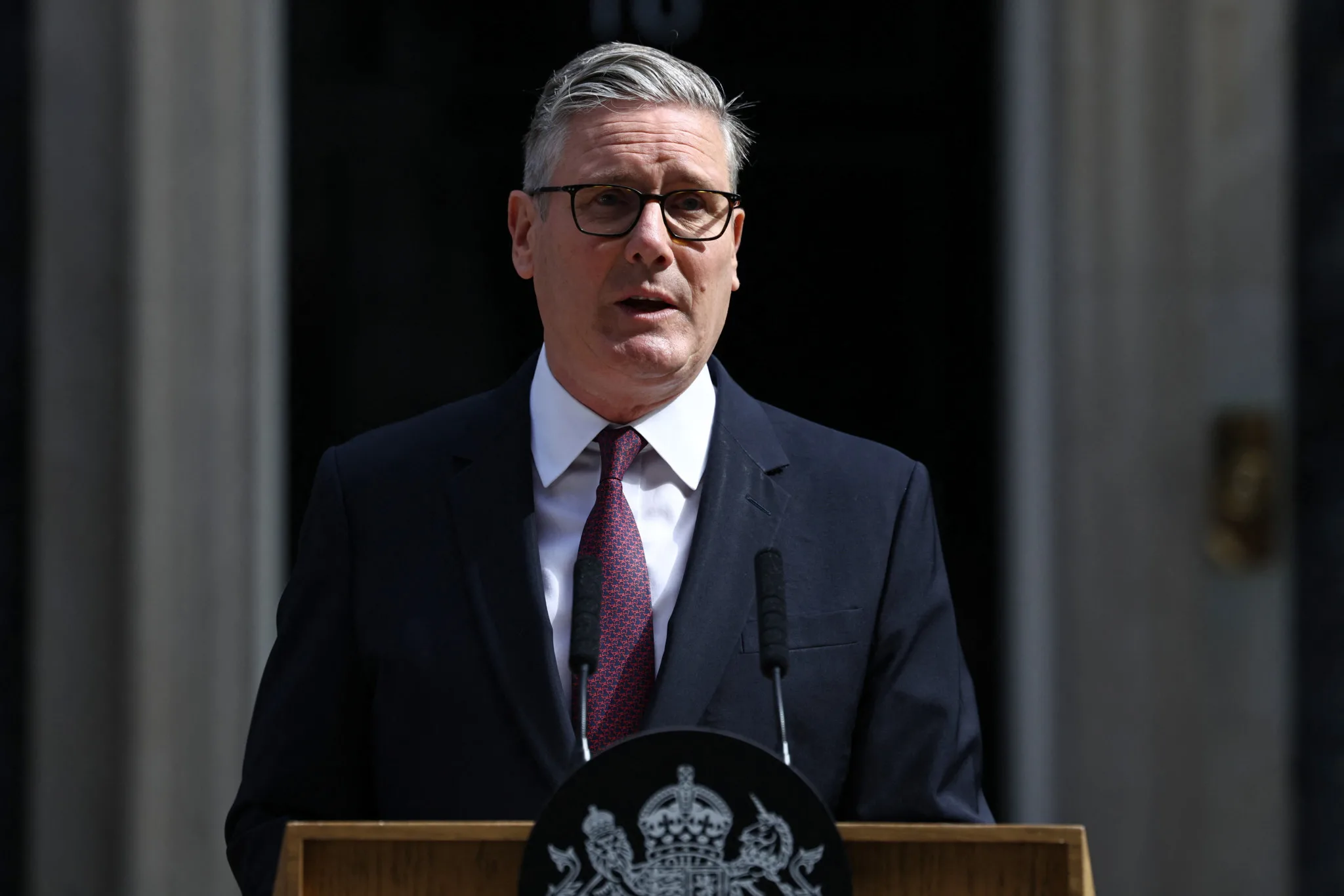
Marrakech – British Prime Minister Keir Starmer announced his resignation on Monday, bowing to intense pressure from within his own Labour Party and clearing the path for the country’s seventh leader in just one decade.
In an emotional address outside 10 Downing Street, Starmer acknowledged that his party no longer wanted him at the helm. “The question my party is asking now is whether I am best placed to lead us into the next general election,” he told reporters. “I have heard the answer of my parliamentary party to that question, and I accept that answer with good grace.”
Starmer confirmed he had informed King Charles III of his decision earlier that morning. He will remain as caretaker prime minister until his successor takes office. Nominations for the Labour leadership open on July 9 and close on July 16, with a new leader expected to be in place by September.
The announcement caps a rapid political decline for a leader who delivered Labour a landslide victory in July 2024, ending 14 years of Conservative rule. But his tenure unraveled quickly.
His government introduced a deeply unpopular cut to winter fuel payments for elderly citizens – a policy absent from Labour’s election platform – and later reversed course. A proposed inheritance tax on family farms and increases to payroll taxes further alienated voters and businesses.
The most damaging crisis involved his appointment of Peter Mandelson as UK ambassador to Washington despite warnings about Mandelson’s ties to deceased sex offender Jeffrey Epstein.
Starmer eventually fired Mandelson after personal messages between the envoy and Epstein surfaced, but the scandal dogged the prime minister for months. Two senior aides resigned, and Starmer later admitted to parliament that his judgment had been “wrong.”
Cabinet departures accelerated his downfall. Health Secretary Wes Streeting quit last month, attacking Starmer’s record of indecision. Defense Secretary John Healey followed this month over a dispute on military funding.
The final blow came in May, when Labour lost more than 1,000 seats in local elections to Nigel Farage’s far-right Reform UK party. Andy Burnham, the former mayor of Greater Manchester, then won a special parliamentary election in Makerfield last week on an explicit platform of challenging Starmer’s leadership.
Burnham, widely known as the “King of the North,” formally announced his candidacy for Labour leader on Monday. “I will put myself forward as part of this process,” he confirmed. He is the clear frontrunner to succeed Starmer. Streeting, who had previously planned his own bid, backed Burnham instead, calling on the party to unite behind him.
European Commission President Ursula von der Leyen hailed Starmer’s foreign policy record, posting: “European and Ukrainian security is stronger because of you.” Reform UK leader Farage took the opposite tone, demanding a general election.
Starmer, 63, grew visibly emotional as he thanked his “fantastic” wife Victoria, calling her his “rock.” He described his children as “my pride and my joy.”
The bond market remained relatively calm on Monday morning, though analysts noted investor concerns about potential spending increases under a Burnham-led government.
Starmer becomes the sixth British prime minister to resign in under a decade – a streak of political instability that began with the 2016 Brexit referendum.