 Join on WhatsApp
 Join on Telegram
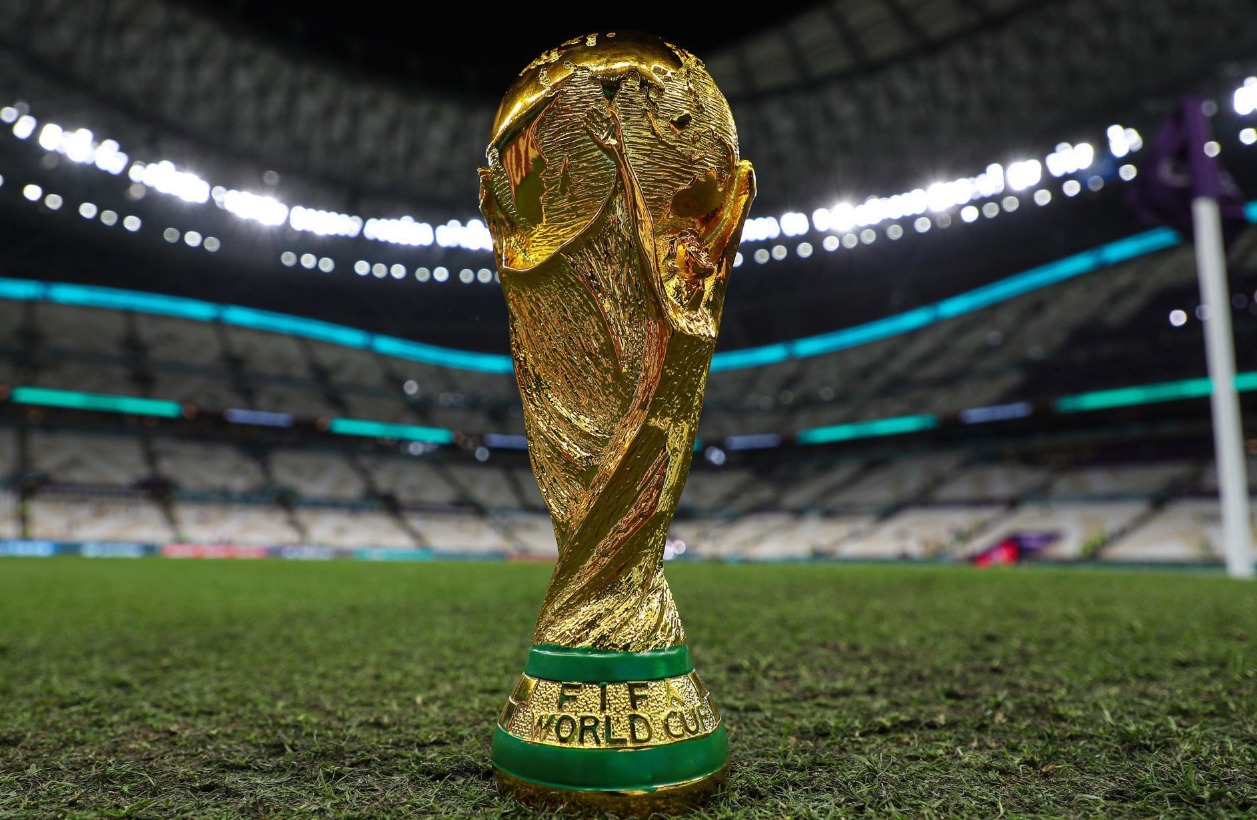
Rabat – FIFA President Gianni Infantino has confirmed that football’s governing body will discuss expanding the 2030 World Cup from 48 to 64 teams.
Infantino said the proposal will be examined by FIFA’s committees after the conclusion of the 2026 World Cup in Canada, Mexico and the United States.
“These are all issues that we will be examining after the World Cup,” Infantino told Swiss outlet Blue Sport.
The comments do not mean that the expansion has been approved. FIFA has not announced a vote, timetable or final format for the 2030 tournament.
The 2026 edition is the first World Cup to feature 48 teams, up from the 32-team format used between 1998 and 2022.
Infantino described the new format as a success and argued that increasing participation helps smaller football nations develop.
“Every nation should be allowed to dream of participating in the World Cup,” he said.
He added that teams from every continent had scored and collected points during the tournament, while nine of Africa’s 10 representatives reached the knockout stage.
Infantino said limiting World Cup places could reduce the motivation of developing football nations to continue improving.
What would a 64-team World Cup look like?
A 64-team tournament would likely feature 16 groups of four teams.
The top two teams from each group could then qualify for a 32-team knockout stage, removing the current system in which some third-placed teams advance.
The total number of matches would rise to 128, compared with 104 at the 48-team World Cup. Such an expansion would create major challenges involving travel, stadiums, accommodation and the already crowded football calendar.
The larger format could also reduce the number of countries capable of hosting the competition because of the infrastructure and financial demands involved.
The idea was originally promoted by South American football officials as part of plans to celebrate the World Cup’s centenary.
CONMEBOL President Alejandro Dominguez argued that the 100th anniversary should be treated as a unique global event rather than an ordinary World Cup.
The first tournament was held in Uruguay in 1930, with the host nation winning the trophy.
Infantino responded to the proposal in May 2025 by saying that “every idea is a good idea” and deserved to be reviewed.
However, CONCACAF President Victor Montagliani publicly opposed the plan, saying it did not feel right to discuss another expansion before the 48-team format had even been tested.
What it means for Morocco
Morocco, Spain and Portugal will host the majority of the 2030 World Cup matches.
Uruguay, Argentina and Paraguay will each stage one centenary celebration match at the beginning of the tournament. FIFA officially appointed the six countries through an extraordinary congress.
Expanding to 64 teams would require the main hosts to prepare for a larger competition, potentially involving more stadiums, training centres, hotels and transportation demands.
It could also give Africa additional qualification places and increase the possibility of more Arab and African teams participating.
However, FIFA has not yet explained how the 64 places would be distributed among the continental confederations.
For now, the 2030 World Cup remains officially planned under the 48-team model.
Infantino’s comments have opened the debate again, but the final decision will only come after FIFA completes its review of the expanded 2026 tournament.