 Join on WhatsApp
 Join on Telegram
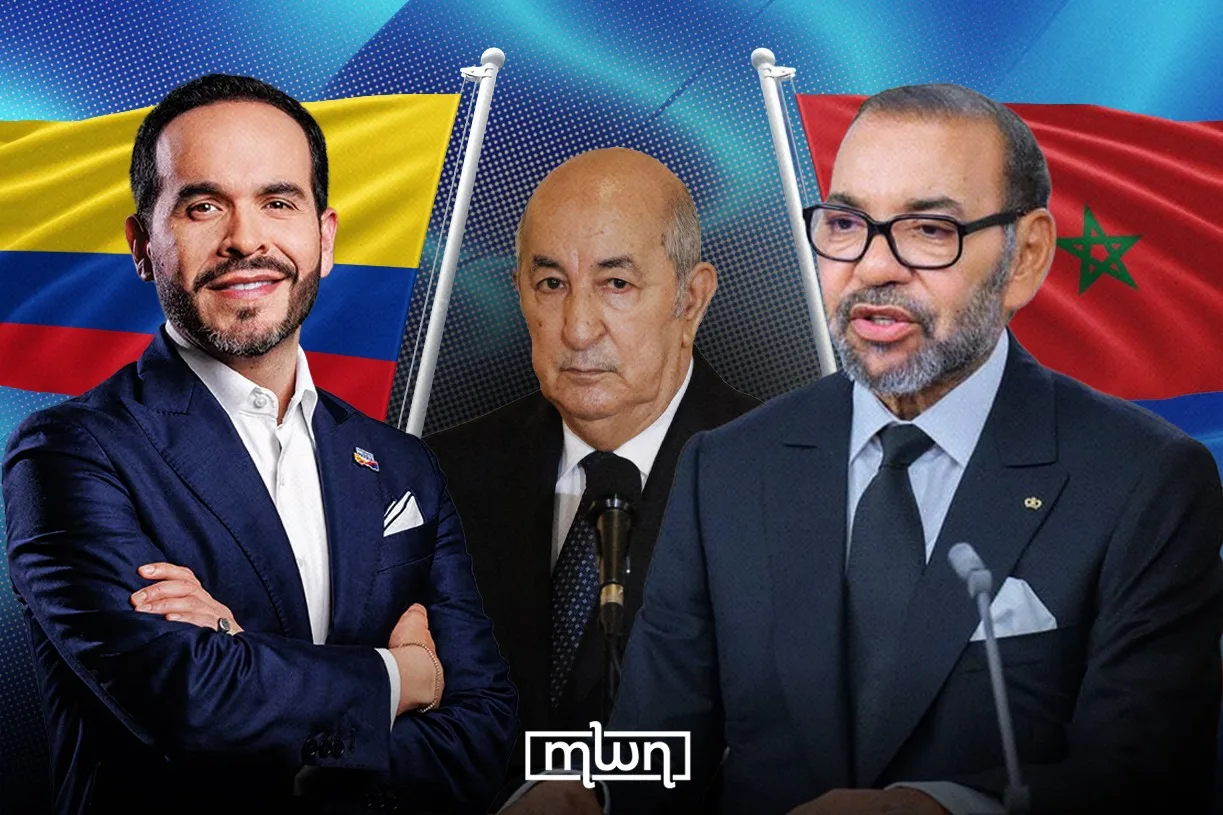
Rabat – Colombia’s President-elect Abelardo de la Espriella’s incoming cabinet is set to close 15 consulates and 14 embassies worldwide, including Bogota’s representation in Algeria.
De la Espriella announced the decision this week, citing a broader overhaul of Colombia’s foreign service to cut costs and redirect resources toward priorities.
“Every peso we save on bureaucracy will be a peso we can invest in security, health, education, infrastructure and, above all, opportunities for the poorest,” the president-elect said in a video.
He also announced plans to cut ties with Cuba and Nicaragua after he takes office on August 7.
De la Espriella’s inclusion of Algeria among the countries where Colombia will close embassies prompted reports and speculation that the decision could signal the newly elected president’s commitment and intention to strengthen bilateral ties that were affected during the era of Gustavo Petro, who will leave office in the coming weeks.
However, De la Espriella’s statement announcing the planned move emphasized that the countries where Colombia will close embassies would not see their bilateral relations affected.
While the outgoing president has in recent months raised eyebrows in Morocco over his visible hostility to Morocco’s territorial integrity over its southern provinces, Bogotá and Rabat continued to maintain solid diplomatic ties.
In particular, the Colombian Congress and Senate have in recent years consistently expressed overwhelming backing for Morocco’s territorial integrity and sovereignty over its Western Sahara region.
This remained the case in recent months despite the fact that, under the now-leaving President Gustavo Petro, the Colombian presidency maintained ties with the Polisario Front. In fact, President Petro controversially restored relations with the separatist group in 2022, reviving Bogotá’s recognition of its self-proclaimed SADR.
Read also: Colombian Congress Rallies Behind Morocco’s Western Sahara Position
The decision aligned with Algeria’s approach, as Petro met with Polisario representatives and publicly expressed support for the separatist claims. It drew robust criticism from Colombian lawmakers, who long argued that such a move undermined the country’s longstanding strategic ties with Morocco.
In this context of diplomatic confusion, the election of de la Espriella fueled expectations of a shift in Colombia’s foreign policy, especially after King Mohammed VI’s congratulatory message to the newly elected president in June.
Following the new president’s election, King Mohammed VI sent him a congratulatory message, extending his warmest congratulations and sincere wishes for success.
“I would like to take this happy occasion to express to you the will of the Kingdom of Morocco to bring a new dynamic to the friendly relations that unite it with the Republic of Colombia, assuring you of my determination to work, in concert with Your Excellency, opening new prospects for partnership between both countries in the different areas of common interest,” read the message.
The monarch also expressed his appreciation for the friendship between the two countries and emphasized that joint efforts would inject fresh momentum into bilateral cooperation through constructive dialogue and respect for each country’s national sovereignty.
The congratulatory message also sparked hopes that Colombia’s new government could join the growing momentum and expanding list of countries now supporting Morocco’s territorial integrity and sovereignty over its southern provinces in Western Sahara.
With Colombia being a non-permanent member of the UN Security Council, such a shift would further consolidate Morocco’s momentum at the UN level. It will serve through 2027.
Currently, over 130 countries back the Autonomy Plan as a genuine political framework able to end the dispute over Western Sahara.