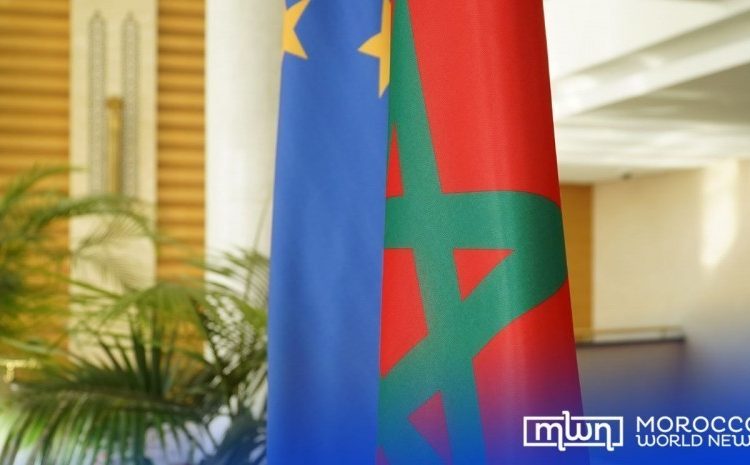
Rabat – Moroccan companies would remain eligible to compete for contracts financed under the European Union’s proposed Global Europe Instrument for 2028-2034, according to a report prepared for the European Parliament.
However, the study warns that new rules favoring European companies could, in practice, reduce those opportunities.
The report examines the European Commission’s proposal for the new Global Europe Instrument, which will become the EU’s main financial tool for external action from 2028 to 2034.
Under the proposal, companies from the EU’s Southern Neighbourhood partner countries, including Morocco, would remain eligible to participate in procurement, grants, and other EU-funded operations across several parts of the program. The eligibility rules also extend to EU member states, candidate countries, and several other developing countries.
However, the report says the proposal also introduces a broad exception under Article 20 that would allow the European Commission to restrict participation in certain cases, including for reasons related to security or the EU’s strategic interests.
The authors argue that these conditions are not clearly defined, creating uncertainty about when restrictions could be applied and which countries or companies could be excluded.
According to the study, these new powers could effectively create a “Buy European” preference, even though the proposal does not formally require EU-funded projects to use only European companies.
The report concludes that the proposal does not amount to outright tied aid but creates a “complex and patchy” system of eligibility that could make access to EU-funded projects less predictable. “This could result in a patchy framework of eligibility rules, making access to EU-funded procurement opportunities quite complex and selective,” the report says.
It also warns that broader restrictions could reduce competition, increase costs, and weaken the effectiveness of EU development assistance.
The study also notes that companies from EU member states with long-standing development experience and stronger historical ties to partner countries may be better positioned to win contracts than others, despite the broader eligibility framework.
The report was commissioned by the European Parliament’s Committee on Development to assess the implications of the European Commission’s proposal before negotiations on the Global Europe Instrument continue.