
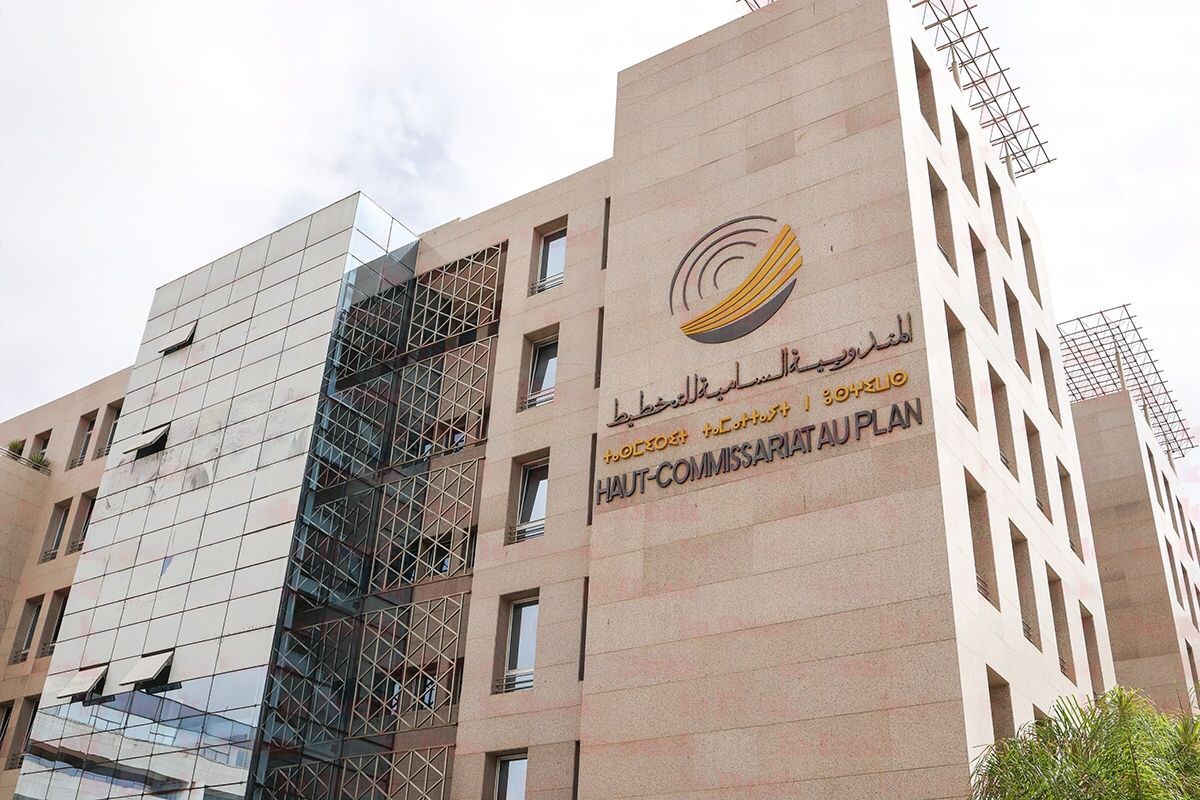
Agadir – Morocco’s labor market recorded an improvement in the second quarter of 2026, with the labor force expanding and employment levels increasing, while unemployment declined, according to the latest report from the High Commission for Planning (HCP).
The labor force, which includes people in paid employment and those unemployed under the strict definition, reached 11.764 million people in Q2 2026, up by 147,000 compared to the first quarter of the year.
Urban areas accounted for nearly 63.5% of the country’s labor force, while women represented only 21.5%, compared to their dominant share among the population outside the labor force, where they accounted for 71.1%.
Labor force participation rate reaches 42.2%
The labor force participation rate, which measures the share of the working-age population participating in the labor market, stood at 42.2% at the national level in the second quarter of 2026.
The rate reached 41.2% in urban areas and 44% in rural areas, according to HCP data.
A significant gender gap persisted, with labor force participation reaching 66.5% among men compared to 18.1% among women.
By age group, people aged 35 to 44 recorded the highest participation rate at 57.7%, followed by those aged 25 to 34 at 56.8%. The rate stood at 38.7% among people aged 45 and over, while young people aged 15 to 24 recorded the lowest participation rate at 22.9%.
Education levels also influenced participation rates, with holders of advanced diplomas recording the highest rate at 69.4%. They were followed by those with intermediate diplomas at 46.3%, people with basic diplomas at 39.2%, and those with no diplomas at 38.1%.
Paid employment records growth
The number of people employed for pay reached 10.643 million in the second quarter of 2026, increasing by 279,000 compared to the first quarter of the year, representing a 2.7% rise.
The increase resulted from the creation of 187,000 paid employment positions in urban areas and 92,000 in rural areas.
Nearly 61.9% of people employed for pay lived in urban areas, while women accounted for 20.3% of total paid employment.
The employment-for-pay rate stood at 38.2% nationwide, reaching 36.3% in urban areas and 41.6% in rural areas. The rate was significantly higher among men, at 61.1%, compared to 15.4% among women.
Unemployment decline
HCP data showed that strict unemployment declined during the second quarter of 2026, reaching 1.121 million people, down by 132,000 compared with the first quarter.
The decline was driven by a reduction of 108,000 unemployed people in urban areas and 24,000 in rural areas.
Women represented 33.3% of the unemployed population, while 79.3% of unemployed people resided in urban areas.
The strict unemployment rate stood at 9.5% nationally, including 11.9% in urban areas and 5.4% in rural areas.
The rate remained higher among women, reaching 14.8%, compared with 8.1% among men.
Young people aged 15 to 24 continued to face the highest unemployment rate, at 27.2%, followed by people aged 25 to 34 at 14.5%.
The unemployment rate was highest among holders of advanced diplomas, at 16.7%, followed by those with intermediate diplomas (16%) and basic diplomas (11.4%). People without diplomas recorded the lowest rate, at 3.8%.
Regional disparities remain
Regional differences continued to characterize Morocco’s labor market in the second quarter of 2026.
Four regions recorded labor force participation rates above the national average of 42.2%: Dakhla-Oued Ed-Dahab (59.2%), Tanger-Tetouan-Al Hoceima (46.8%), Casablanca-Settat (46.7%), and Marrakech-Safi (43.1%).
The lowest participation rates were recorded in Draa-Tafilalet (30.5%), Oriental (36.6%), Souss-Massa (37.6%), and Laayoune-Sakia El Hamra (39.7%).
Read also: HCP Launches New Labor Survey, Reports 10.8% Unemployment Rate in Q1 2026