
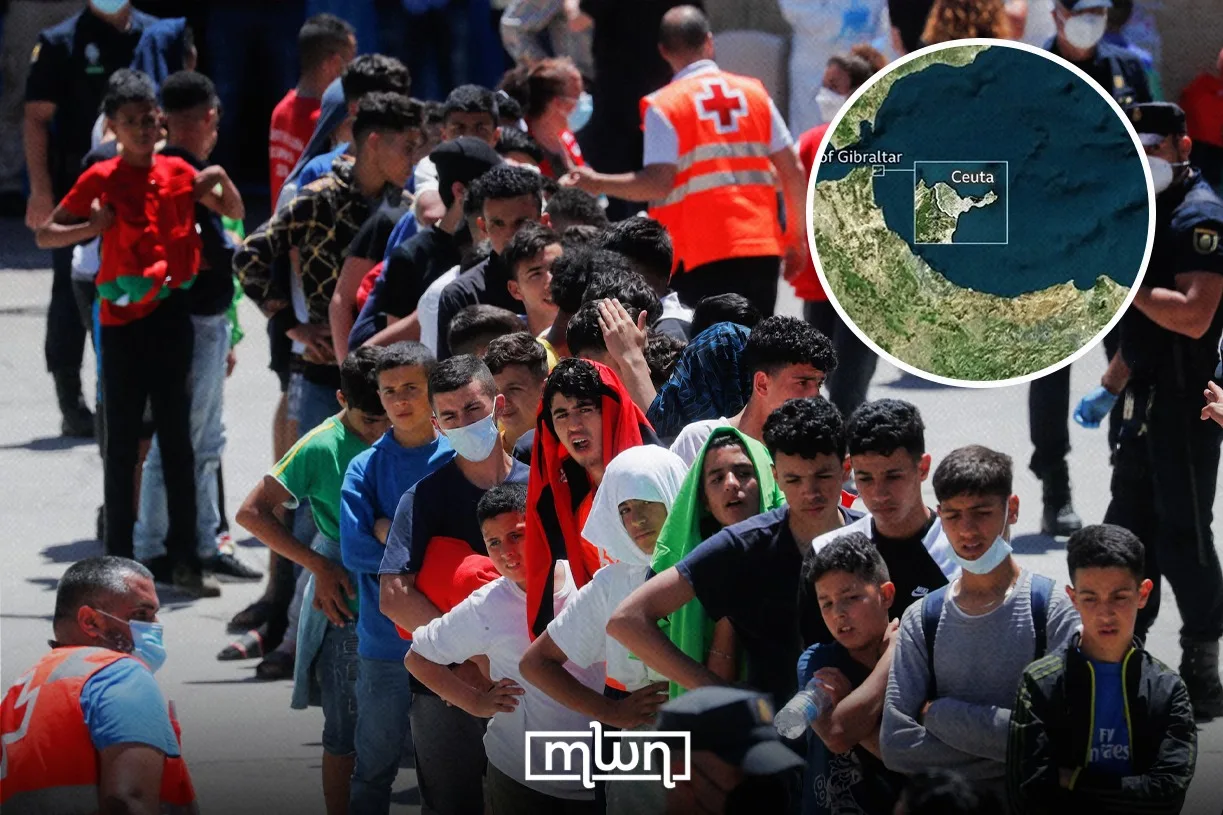
Rabat – Meta and TikTok have agreed to work with the European Union on fact-checking social media content linked to migration attempts into the Spanish-occupied enclave of Ceuta from Morocco, following a deadly mass crossing last month.
The agreement aims to limit false or misleading information that could encourage migrants to attempt dangerous crossings, EU technology chief Henna Virkkunen said Monday.
Virkkunen said Meta, the parent company of Facebook and Instagram, and TikTok had agreed to create an “ad-hoc escalation and cooperation mechanism with fact-checkers” as part of existing “crisis protocols.”
The European Commission and Europol are also holding daily discussions with the two platforms over the situation, she said.
Virkkunen also spoke with Spain’s Digital Economy Minister Oscar Lopez about measures to prevent further attempts to cross the border and avoid additional deaths, Reuters reported.
The move comes after more than 70,000 people entered Ceuta from Morocco during a mass rush in late July. The incident left nearly 100 people dead, according to reports, with migrants attempting to reach the enclave by land and sea.
Social media fueled migration rush
Viral videos shared on social media played a major role in encouraging people to attempt the crossing.
Videos showing migrants successfully reaching Ceuta circulated widely online, while some posts gave migrants a misleading impression that they could enter Spain without being immediately returned.
One of the videos was published by a Spanish news outlet to highlight the pressure caused by migration into Ceuta. However, the footage was later shared by users as evidence that reaching the enclave was possible.
Other influencers also posted content showing their own crossings, which encouraged more people to make the journey.
The European Union has linked the spread of such content to the activities of criminal networks that seek to attract potential migrants with false information.
Morocco’s Ministry of the Interior also attributed the Ceuta migration crisis to misinformation spread on social media, as well as false interpretations of a recent Spanish court ruling.
Crisis began before mass crossing
The July 30 rush came after a sharp increase in arrivals to Ceuta during the preceding weeks.
Prior to the mass crossings, more than 1,100 migrants, including women and minors, had reached Ceuta in just over a week. Many crossed by swimming from Morocco, while videos showed groups attempting the journey at night.
On one day alone, nearly 1,000 people were reportedly rescued from the water by Moroccan authorities and Spain’s Civil Guard.
At the time, Ceuta authorities said the arrivals had placed heavy pressure on the city’s security forces and migrant reception system.
Moroccan authorities also took part in rescue operations, with naval units intercepting migrants in the waters near the coast.