
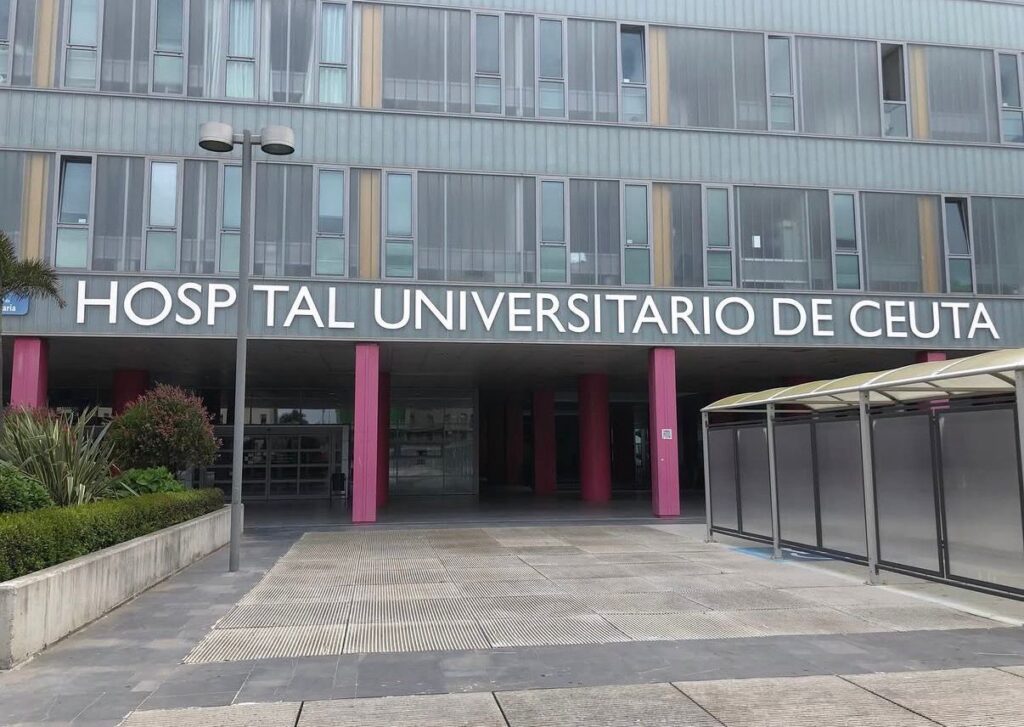
Rabat – Spain’s Health Ministry will send a delegation to Ceuta next week to assess the impact of the migration crisis on the city’s public healthcare system, government sources told Europa Press on Saturday.
The delegation will be led by Health Secretary of State and National Institute of Health Management (Ingesa) President Javier Padilla. It will also include ministry officials, technical staff and political representatives responsible for healthcare in the Spanish-occupied enclave.
The ministry has not yet announced the exact date of the visit or the delegation’s meeting schedule. Padilla could stay in Ceuta for several days.
The visit will come eight days after Health Minister Mónica García visited the city. Her visit sparked a dispute with Ceuta’s local government after she criticized its response to the arrival of migrants.
García said the local government had not acted quickly enough to provide spaces for migrants who arrived in the city. She also described warnings about possible extra costs and pressure on Ceuta’s public healthcare system as “xenophobia.”
She also rejected claims that the mass arrival of migrants caused Ceuta’s healthcare system to collapse. She said the system remained operational despite increased pressure on some services after the July 30 crossings.
Read also: Ceuta Nursing Council Calls for State of Emergency Amid Spain’s Denial of ‘Healthcare Collapse’
García said healthcare workers treated around 5,800 migrants over 15 days, while pressure on services had declined from the first days of the crisis. She also said the situation was “not normal” but described the epidemiological risk as moderate for migrants and low for the local population, stressing that “migrants do not bring diseases.”
The comments came after García visited Ceuta earlier this month and clashed with local authorities over their response to the migration crisis.
Ceuta President Juan Jesús Vivas rejected the criticism, saying that “no one can give Ceuta lessons in solidarity.” He also accused García of trying to shift responsibility to the regional government.
Thousands of migrants who crossed into Ceuta in late July are believed to remain in the enclave, while most of those who arrived have since returned to Morocco. Most of the migrants still in Ceuta are minors, with Morocco calling for their return to the country.