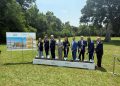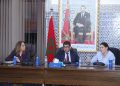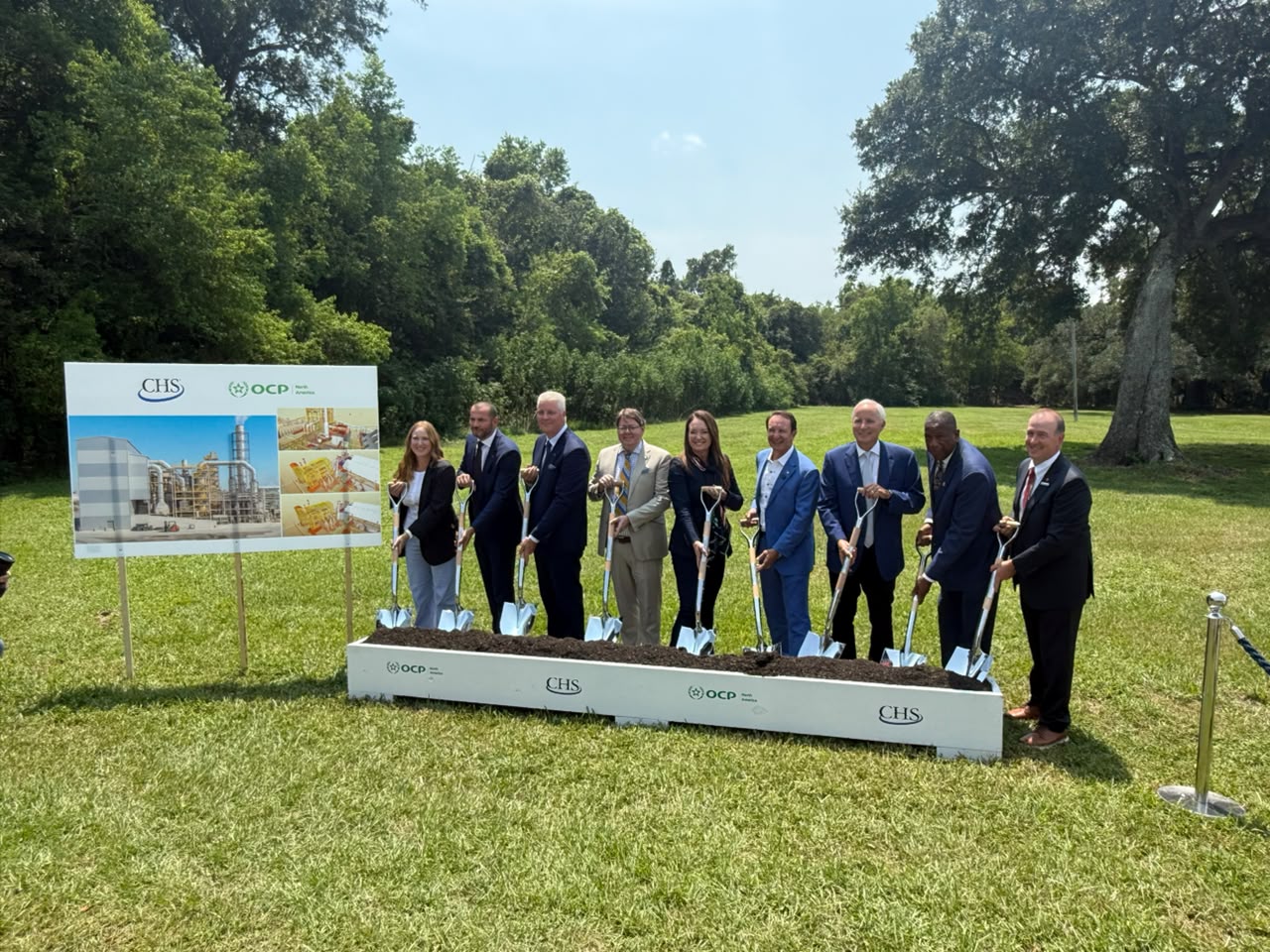
Marrakech – OCP North America, a subsidiary of Morocco’s OCP Group, and CHS Inc., the largest farmer-owned cooperative in the United States, announced on Wednesday a joint venture to build and operate a new phosphate fertilizer production unit in Louisiana.
The project carries an investment of up to $450 million (MAD 4.5 billion) and would be the first facility of its kind constructed in the United States since 1984.
The two partners plan to develop the plant inside Cornerstone Energy Park, an 800-acre industrial site in Waggaman, Louisiana. Once operational, the facility is expected to hold a capacity of more than 1 million tons of phosphate fertilizer per year.
The park’s existing industrial infrastructure, utility access, and multimodal logistics connectivity support that kind of advanced production.
The partnership divides responsibilities along each company’s strengths. OCP Group will supply phosphoric acid, drawing on its global resources and expertise in phosphates.
The finished products will then move through the respective distribution networks of OCP North America and CHS, reaching American farmers, cooperatives, and distributors. The arrangement pairs OCP’s phosphate capabilities with CHS’s established footing in US agriculture.
For Kevin Kimm, CEO of OCP North America, the venture marks “a major step” in the company’s commitment to American agriculture. Alongside CHS, he described an intent to build “durable infrastructure” that strengthens US food security and secures a reliable supply of fertilization solutions produced in the United States.
Jay Debertin, president and CEO of CHS, called the announcement “a particularly important moment for American agriculture.” As a farmer-owned cooperative, he noted, the company’s mission is to help farmers succeed, and the partnership offers the opportunity to build the first US phosphate fertilizer plant “in more than 40 years.”
He added that the investment could create additional value for members by bringing fertilizer production closer to American farmers and the cooperative network.
The plant addresses a structural gap in US supply. The United States currently imports about 40% of the phosphate-based fertilizers its farmers need. According to the partners’ estimates, the new capacity could significantly reduce that dependence on imports.
The project aligns with a US priority to expand domestic fertilizer production, and the partners have submitted an application for possible funding under the US Department of Agriculture (USDA)’s FIELDS program, short for Fertilizer Investment & Expansion for Long-term Domestic Supply.
For OCP Group, the venture extends a strategy of pairing its industrial base with a presence near major agricultural markets.
The project remains subject to the usual regulatory approvals, along with those tied to the project and its financing.
The announcement follows the recent resumption of Moroccan phosphate shipments to the American market. On August 17, the Port of New Orleans received a first cargo of roughly 54,000 tons of Triple Super Phosphate (TSP) from OCP, ahead of the fall planting season.
That delivery became possible after the US administration announced on June 29 a temporary suspension of the countervailing duties (CVD) applied to Moroccan phosphate fertilizer imports.
The suspension restored access that had been restricted for more than five years. Before restarting deliveries, OCP coordinated with the US Department of Commerce to clarify the applicable conditions and prepare the shipments.
American growers have faced tightening phosphate supply. Domestic extraction has fallen by more than 50% since 1995, and import flows narrowed over the same period.
TSP has meanwhile taken on a larger role for OCP, accounting for 65% of its sales in June, up from 30% before the sulfur crisis. The product delivers phosphorus separately from nitrogen and potassium, giving farmers more flexibility in application.
CHS, which serves customers in 65 countries, reported revenue of $35.5 billion (MAD 355 billion) in its 2025 fiscal year.