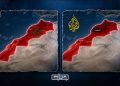
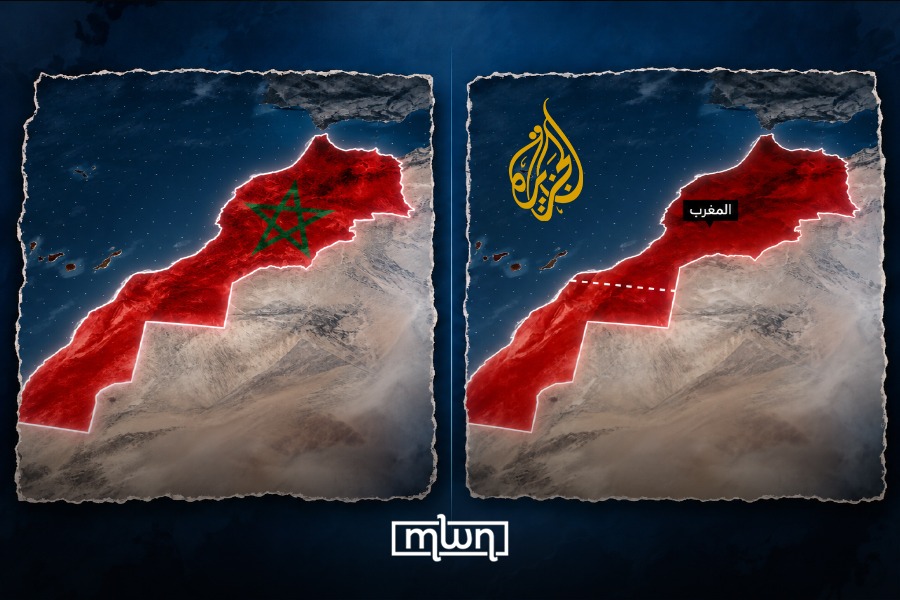
Casablanca – Al Jazeera has drawn criticism over a map of Morocco used in its coverage of the country’s legislative elections today, after viewers noticed a visible line separating the southern provinces from the rest of the country.
The map appeared in a digital item titled “Morocco’s Elections: The Competition Map,” published through Al Jazeera’s verified digital platforms. The report examined the electoral competition and the participation of 28 political parties in the race for the 395 seats in the House of Representatives.
View this post on Instagram
The graphic quickly drew reactions from Moroccan social media users, who questioned the use of the line on a map accompanying a report about competition between political parties. Critics viewed the representation as suggesting a separation between the southern provinces and the rest of the country.
The criticism emerged as Morocco holds its legislative elections today. Voters across the country are choosing members of the House of Representatives in an election involving 28 parties and two lists of independent candidates.
The electoral field includes 1,615 local lists with 5,505 candidates, alongside 235 regional lists reserved for women, according to figures reported by Moroccan media.
The map controversy also comes after another incident involving Al Jazeera and its depiction of Morocco earlier this year. On May 11, Al Jazeera English used a map during coverage of Qatar’s solidarity with Morocco following strikes on Smara that showed Morocco without its southern provinces.
Morocco has stepped up diplomatic efforts to promote its 2007 autonomy plan for Western Sahara. France, the United States, Spain, Germany and the United Kingdom are among the countries that have expressed support for the proposal, while the European Union has also described genuine autonomy as a feasible basis for a political settlement.
More recently, Chile and Panama reaffirmed support for Morocco’s sovereignty over the Sahara and backed the autonomy proposal during meetings in New York this week.
Speaking before the UN General Assembly in New York on Tuesday, Foreign Minister Nasser Bourita said there was “no solution” to the Sahara dispute outside an autonomy framework under Moroccan sovereignty. He said UN Security Council Resolution 2797, adopted in October 2025, had created a new dynamic toward resolving the dispute and called for negotiations under UN auspices based on Morocco’s autonomy initiative.