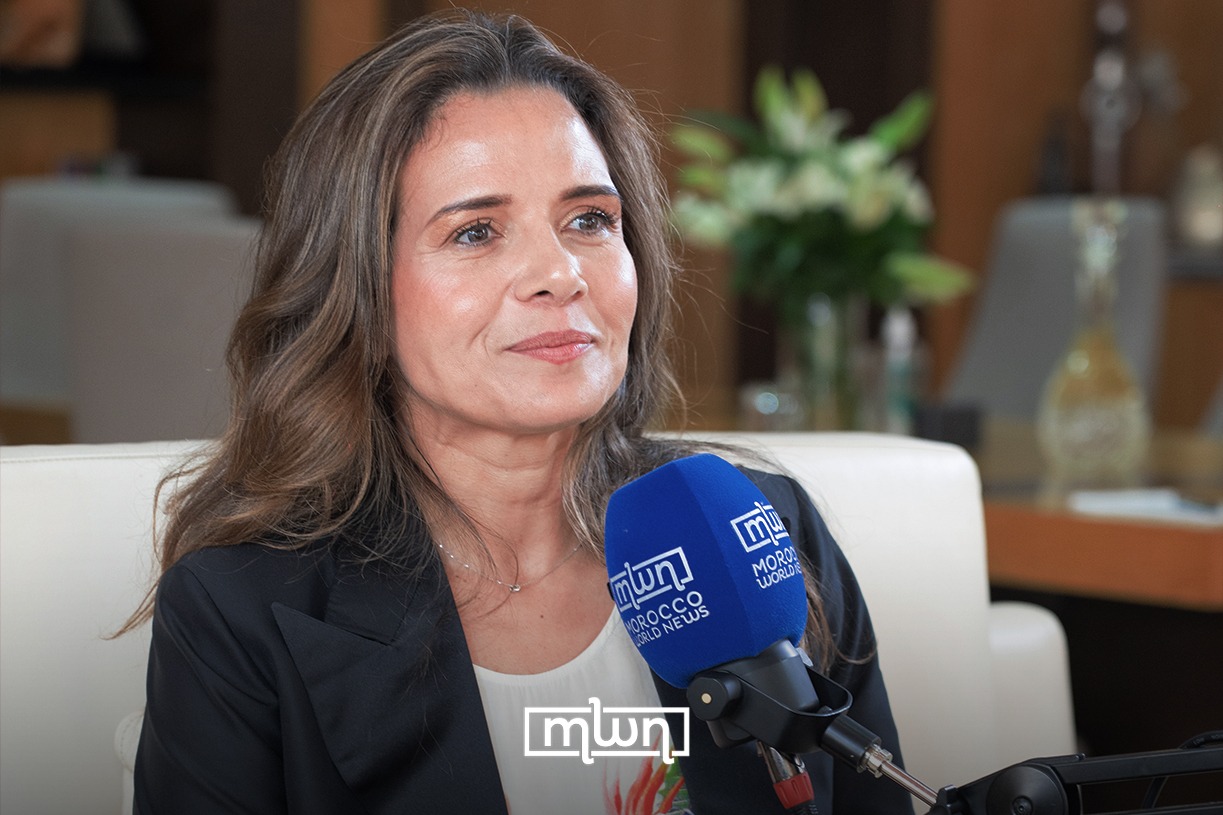
Rabat – Energy Transition and Sustainable Development Minister Leila Benali has celebrated the appointment of Fatima Zahra El Mansouri as Morocco’s first female head of government, but cautioned that women must remain “very vigilant” following the historic milestone.
King Mohammed VI appointed El Mansouri as Morocco’s Head of Government on September 29 after the Authenticity and Modernity Party (PAM) secured 97 seats in the legislative elections that took place on September 23.
The appointment sparked a division in opinions. Some have celebrated the milestone as a historic achievement for Morocco’s women’s empowerment, yet others have invoked “traditional” values and “Islamic principles” to challenge the evolution.
Benali dismissed the second camp as engaging in an irrelevant and “insidious” game, noting that some of these critics of Morocco’s evolution on the question of women’s rights have regretfully gone as far as to “derail” some hadiths (the recorded sayings, actions, and silent approvals of Prophet Mohammed) that champion women’s rights and dignity.
Asked in an interview with Morocco World News about the social, historical, and political significance of the appointment, the minister responded by emphasizing how Moroccan society’s perception of leadership and authority could evolve with a woman at the head of government.
Benali’s remarks echoed concerns from a recent Arab Barometer survey showing that despite a broader decline in some traditional views about male authority, gender-based perceptions of political leadership remain prevalent in Morocco.
According to the survey, 47% of respondents said men make better political leaders than women, although the figure represents a 10-point decline from 2023-24. At the same time, agreement that a man should have the final say in family decisions fell from 61% to 44%, while support for equal opportunities for women in the workplace remained unchanged at 64%.
The survey also found a decline in support for measures aimed at increasing women’s political representation. Support for reserving a minimum number of parliamentary seats for women fell from 71% to 51%, while support for a minimum number of cabinet positions dropped from 70% to 52%.
Judge based on performance, not gender
These findings come as Morocco begins a new political chapter with El Mansouri as the country’s first female head of government, bringing renewed attention to how Moroccan society views women in political leadership.
“I’ve been reading some of the comments. Mrs. Fatima Ezzahra at some point will be judged on basically her performance as head of government, and we have to ensure that she’s being judged as a political leader, not as a woman, not based on gender,” Benali said in response to some of the most deluded gender-based comments that have taken issue with the appointment of a woman to lead the country. But while Benali emphasized the importance of celebrating this historic milestone for the newly appointed head of government in particular and for Moroccan women in general, she stressed the importance of “staying very vigilant because of a couple of reasons.”
“We are celebrating the fact that we have broken the glass ceiling. I’m always vigilant, and a few of the other female colleagues and I are not in the middle of a glass cliff,” she said.
When asked whether the future could now be said to be bright for Moroccan women, Benali said she believes the future is bright for Moroccans in general and especially for women.
“It definitely should be bright for Moroccan women; otherwise, we will not be here, and otherwise we will not be fighting every day,” she said, referring to Moroccan women leading in key sectors, including energy, economy, and now as a Head of Government.
She stressed the importance of continuing efforts to empower Moroccan women to make their own choices about their personal and professional lives, while ensuring they have the support and opportunities they need to pursue their ambitions.
“If we take care of women, we take care of the values of our society,” she emphasized, pointing to the evolving, game-changing role of women in sectors like mining.
Discussions about women’s participation in the sector often overlook the barriers women continue to face in parts of Africa, Benali argued, recalling a conversation with an African minister who once told her that he had encountered women coming to mines with their children on their backs.
She also stressed how women in some African countries are prevented from working in the sector, stating that improving women’s participation in society should not be limited to financial support or subsidies, but instead focus on caring for people and preserving their dignity.
Caring for and making policies that preserve the dignity of women should not simply become a “buzzword,” she concluded, stressing: “I want to get back to the importance of caring, not in terms of subsidizing, but in terms of caring for the human being in our public policies.”