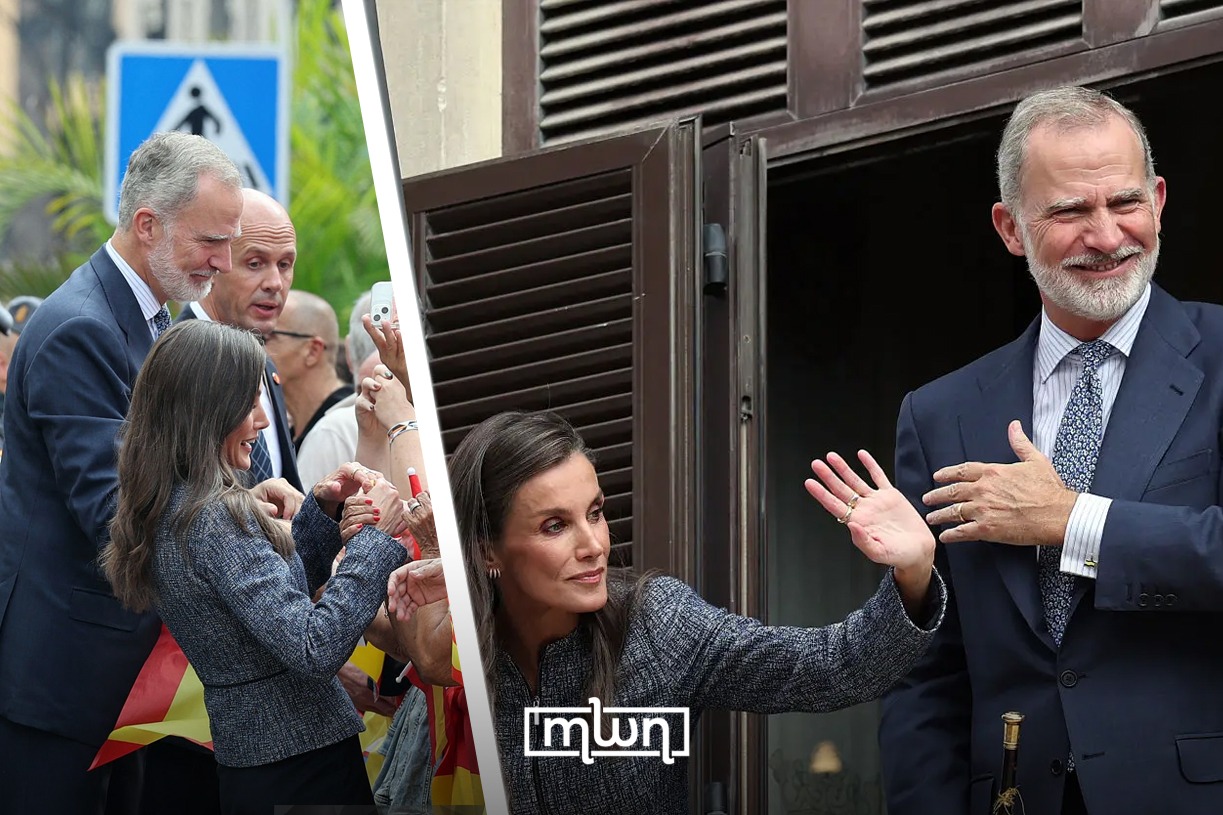
King Felipe VI and Queen Letizia of Spain have begun their controversial visit to the occupied city of Ceuta amid heightened tensions, including a smear campaign targeting Morocco following the mass crossing into the enclave in July.
The visit, which Spanish media have described as “historic,” comes amid an already heightened crisis. It comes as Spanish politicians and media continue to weaponize the mass crossing that took place in July, when over 70,000 people entered the enclave.
The mass migration triggered another episode of crisis between the two countries, particularly amid pressure from Spain’s fa- right and the People’s Party (PP).
Making the visit particularly provocative is the fact that it follows Spain’s National Day, indicating Madrid’s intention to continue asserting its territorial integrity and sovereignty over occupied Melilla and Ceuta in the aftermath of the July mass crossings.
The Spanish government continues to claim the two territories, disregarding their historical ties to Morocco and their geographical positioning in the North African kingdom.
Spanish Politicians, including Juan José Vivas, president of the occupied city, made further provocative remarks during the royal family’s arrival. Vivas spoke of “presenting the King and Queen with the keys to a ‘diverse city,’” stressing: “Spain to the core, Your Majesties, in every respect. Long live Ceuta, long live Spain, long live the King.”
He said the people of Ceuta “feel affection and admiration” for the monarchs “because of the way you carry out your duties,” while describing the migration events in Ceuta as an “invasion.”
Reports said the Spanish royal family will become the first Spanish monarchs to spend a night in Ceuta.
They will also visit Melilla, with the trip described as part of their “tour of Spain’s territories in Africa.” The statement has drawn attention because it refers to the two territories as Spanish while also acknowledging that they are in Africa, a description that could prompt sarcastic reactions and frustration given the dispute over their status.
The new provocative move comes as Moroccans have been urging the government to step in and launch a dialogue to reclaim the occupied territories.
The appeals intensified after Spanish politicians and officials launched a smear campaign, accusing Rabat of “blackmail” and “hybrid war” following the Ceuta mass crossing.
Moroccan author and analyst Samir Bennis has frequently warned of Spain’s provocative moves, particularly King Felipe VI’s approach in handling the crisis.
In one of his latest opinions, the Moroccan analyst emphasized how Felipe had opted for public statements compared to Juan Carlos’s discreet diplomacy to handle a similar migration crisis.
For Bennis, Juan Carlos “picked up the phone” to address the situation with Morocco in 2005, while in 2026, Felipe VI “took the microphone,” warning that this approach risks undermining the monarchy’s traditional role as a channel for easing similar tensions.
King Mohammed VI also responded to Spain’s smear campaign in his Parliament speech on Friday last week, warning Morocco won’t bow to Spanish blackmail.
The King said migration partnership is a sovereign choice and a voluntary commitment.
“It will never be subject to any pressure, threat, or blackmail.”