
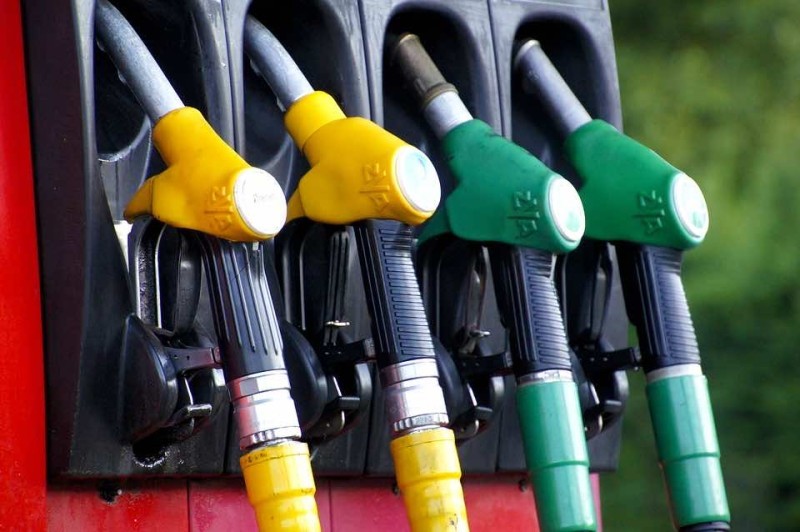
RABAT — Diesel prices in Morocco are expected to decrease by MAD 0.20 (about $0.02) per liter from late Thursday, October 15, offering motorists limited relief after six consecutive increases since mid-July.
The reduction is expected to take effect at around 11:50 p.m. Thursday. Gasoline prices are expected to remain unchanged, Le360 reported, citing a reliable source.
Based on the latest prices recorded in Casablanca, diesel is expected to fall from between MAD 16.10 ($1.64) and MAD 16.18 ($1.65) per liter to between MAD 15.90 ($1.62) and MAD 15.98 ($1.63) , depending on the service station. Prices may vary slightly across stations and regions.
The expected decrease follows six successive diesel price increases since mid-July. The increases amounted to MAD 0.69 in mid-July, MAD 1 in early August, MAD 0.65 in mid-August, MAD 0.06 on September 1, MAD 0.34 on September 16, and MAD 0.80 in early October.
The cumulative increases reached approximately MAD 3.54 per liter. Following Thursday’s expected reduction, the net increase since mid-July would stand at around MAD 3.34 per liter.
Diesel has also become more expensive than gasoline in Morocco, reversing the previous price relationship. Following the expected reduction, diesel would still cost between MAD 0.27 and MAD 0.39 more per liter than gasoline in Casablanca, based on previously recorded prices.
The anticipated decrease comes amid developments in the international diesel market, including changes to Russian fuel export restrictions and the resumption of Russian diesel supplies to international markets.
Le360 also reported that a tanker carrying approximately 40,000 tonnes of Russian low-sulfur diesel was heading toward Morocco. The cargo was loaded on October 13 at Russia’s Primorsk port in the Baltic Sea, according to maritime tracking data from LSEG cited by Reuters.
The importer, the Moroccan port of destination, and the cargo’s final use remained unknown, the report said.
Pump prices in Morocco do not immediately reflect changes in international oil prices because they also depend on the purchase conditions of imported fuel cargoes, which are generally negotiated and purchased at least two weeks in advance.