
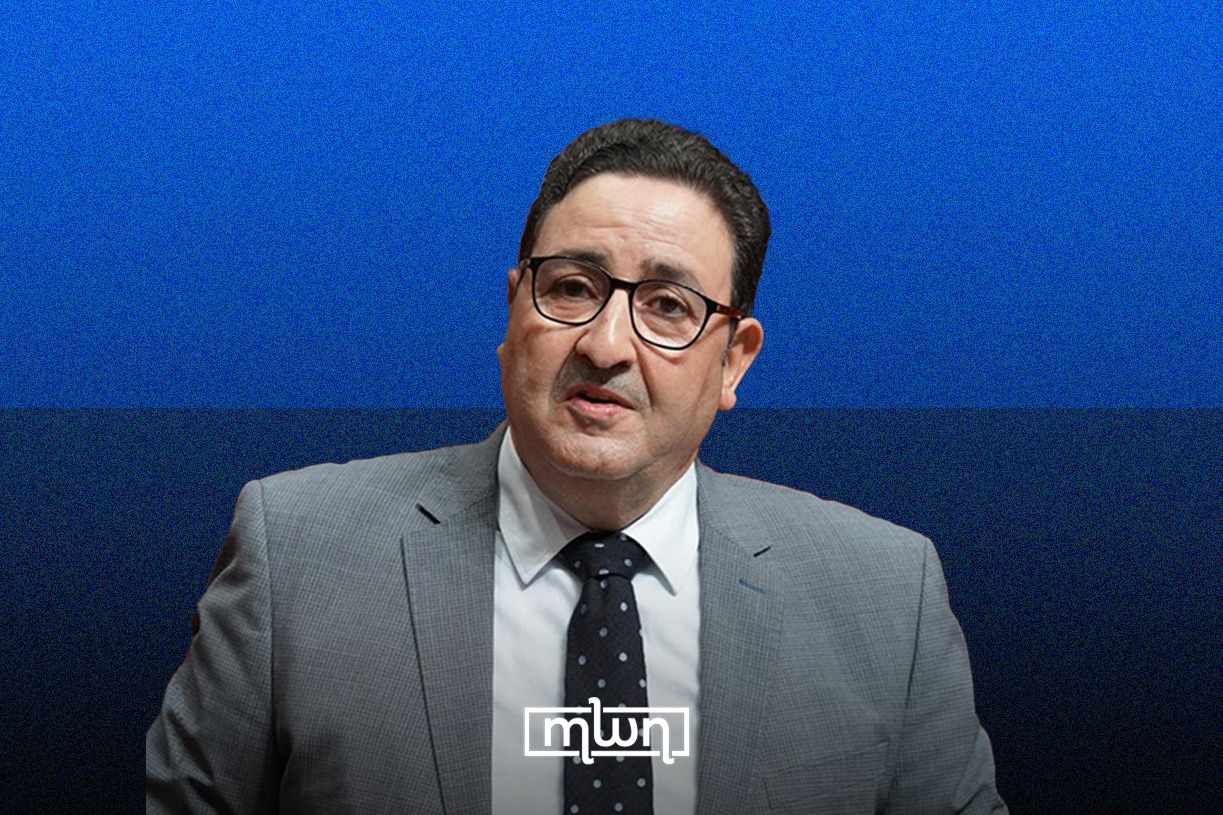
Casablanca – Abdessamad Kayouh will remain Morocco’s Minister of Transport and Logistics after King Mohammed VI appointed the members of the new government at the Royal Palace in Rabat today.
His reappointment keeps the Istiqlal Party politician in charge of a portfolio covering road, rail, maritime and air transport, as well as the country’s logistics infrastructure.
Kayouh first took over the ministry in October 2024, replacing Mohammed Abdeljalil. Before that appointment, he had spent decades in parliamentary politics and the private sector, with a career rooted in the Souss-Massa region.
A Political Career Rooted in Souss
Born on April 11, 1966, in Oulad Teima, in the province of Taroudant, Kayouh grew up in a family with strong ties to agriculture, business, and politics. His father, Haj Ali Kayouh, was a prominent political figure in the Souss region and served as a member of parliament for several decades.
Kayouh studied international trade in Casablanca, graduating in 1988, according to media reports. He later received training in agricultural management in South Africa. His professional career began in the private sector, where he joined the family business and became the general manager of an agricultural company in 1992. The company specialized in producing and exporting citrus fruits and table grapes.
His entry into politics followed in 1997, when he was elected to parliament representing his home region. He won subsequent parliamentary mandates in 2002, 2007 and 2011, building a political base in Taroudant and the wider Souss-Massa area.
He also served as president of the Taroudant provincial council from 2003 to 2009 and held local and regional responsibilities, including positions within the regional council and Oulad Teima municipality.
Kayouh became a member of the Istiqlal Party’s executive committee in 2009. His first ministerial appointment came on January 3, 2012, when King Mohammed VI named him Minister of Handicrafts in the government led by Abdelilah Benkirane. He held the position until July 2013, when Istiqlal’s ministers resigned following the party’s decision to leave the governing coalition.
He later returned to senior parliamentary responsibilities. In 2018, he was elected first vice-president of the House of Councillors, the upper chamber of parliament, and continued to hold a prominent position within Istiqlal.
His appointment as transport minister in October 2024 brought him back to the executive after more than a decade away from a ministerial post.
Transport infrastructure and the 2030 deadline
Kayouh’s current portfolio places him at the center of Morocco’s plans to expand its transport network ahead of the 2030 FIFA World Cup, which the country will co-host with Spain and Portugal. Rail investment is among the major projects on his agenda.
Earlier this month, the minister announced a railway investment program worth MAD 134 billion through 2030. The plan includes extending the high-speed rail line from Kenitra to Marrakech, connecting the future Nador West Med port to the railway network, expanding suburban train services in major urban areas, and acquiring 168 new trains.
The program forms part of broader efforts to modernize the railway network and improve connections between major cities, ports and economic centers. The ministry has also stressed the need for coordinated planning, compatible technical standards and financing arrangements capable of supporting large infrastructure projects.
Read also: Morocco Allocates $13 Billion to Railway Development by 2030
Beyond railways, Kayouh has addressed maritime transport and international logistics. At the first National Maritime Conference in Tangier in May, he pointed to Morocco’s geographic position, port infrastructure and logistics expertise as factors supporting a maritime strategy connecting Europe, Africa and the Atlantic.
He referred to ports including Tanger Med, Nador West Med and the planned Dakhla Atlantique port, alongside links intended to improve access to Atlantic trade routes for Sahel countries.
His ministry has also dealt with practical obstacles facing Moroccan transport companies abroad. At the Logismed trade fair in Casablanca in May, Kayouh said Morocco and the European Union were discussing ways to ease visa procedures for Moroccan professional drivers and international transport operators.
Passenger transport remains another recurring responsibility. During the evaluation of the 2025 Marhaba operation, Kayouh reported that more than 3.2 million passengers and nearly 739,000 vehicles had passed through Moroccan ports between June 10 and September 15.
The operation relied on 13 maritime routes linking Moroccan ports with destinations in Europe, with passenger numbers increasing by 7% compared with 2024.