Rabat — All seven candidates seeking to become the next United Nations secretary-general received at least one negative vote from a permanent member of the Security Council during a closed-door ballot on Friday, raising the possibility that new candidates could enter the race.
The vote was indicative rather than final, but none of the candidates managed to avoid opposition from at least one of the council’s five permanent members: the United States, the United Kingdom, France, China and Russia, according to a diplomatic source cited by French media.
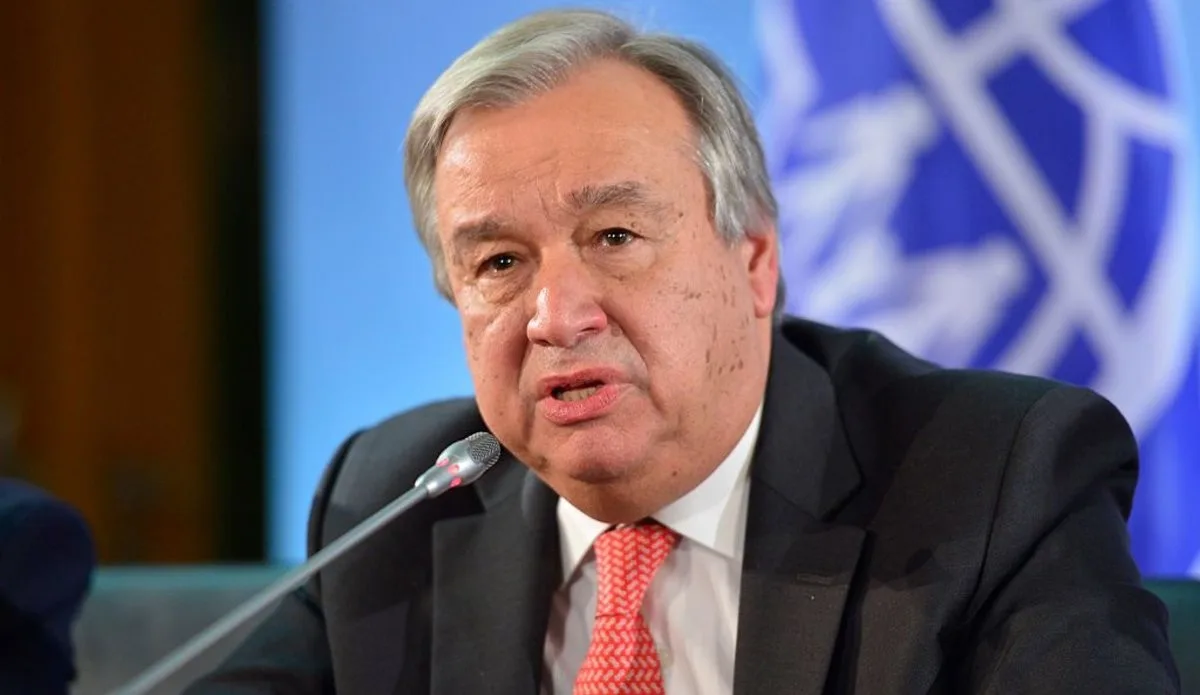
Four women and three men are currently seeking to succeed António Guterres, 77, whose second five-year term as UN secretary-general is due to end on December 31.
Rebeca Grynspan, a 70-year-old Costa Rican who previously headed the UN Conference on Trade and Development (UNCTAD), maintained her lead in Friday’s ballot. She received nine “encourage” votes, five “discourage” votes, including two from permanent members, and one “no opinion” vote.
Argentina’s Rafael Grossi, 65, director general of the International Atomic Energy Agency (IAEA), came second. He secured eight “encourage” votes, six “discourage” votes, including two from permanent members, and one “no opinion” vote.
The 15 members of the Security Council cast their votes anonymously, assigning each candidate one of three assessments: “encourage,” “discourage” or “no opinion.” For the first time in the process, the ballots also distinguished the votes of the five permanent members through color coding, making their positions identifiable.
Although the ballot does not constitute a final selection, opposition from a permanent member is significant because each of the five powers holds veto authority in the Security Council. The council must recommend a candidate to the UN General Assembly, which then appoints the secretary-general.
The results could open the door to additional nominations as the selection process continues.
The leadership contest comes at a challenging time for the United Nations, which is facing escalating conflicts, persistent divisions within the Security Council and serious financial difficulties.