 Join on WhatsApp
 Join on Telegram
Rabat – The Fez-Meknes region is the epitome of Morocco’s history, architecture, and culture, all closely interwoven. From the old medinas in Fez and Meknes down to the Roman ruins of Volubilis, to visit the region is to go back in time to explore the different evolutions Moroccan civilization has experienced.
Founded in the 9th century, Fez has been referred to as the spiritual and cultural heart of Morocco. Its medina, Fez el Bali, is a UNESCO World Heritage Site. It is home to Al-Qarawiyyin University and Mosque, founded in 859 AD, which is considered the oldest surviving educational institution in the world.
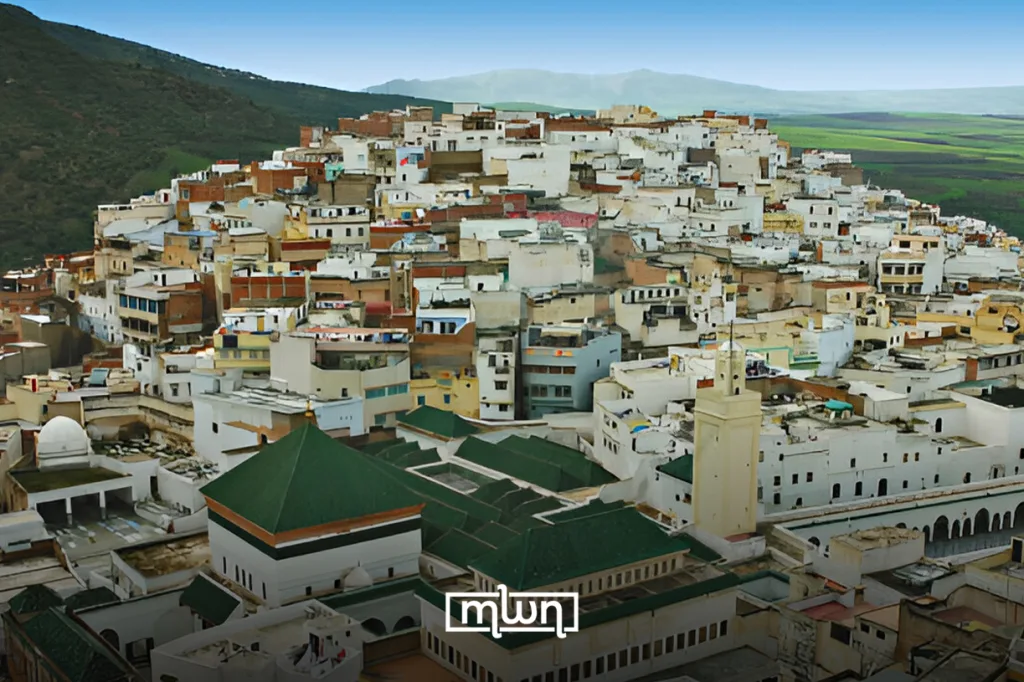
The medina’s narrow winding streets, historic mosques, and Quranic schools speak volumes about its deeply ingrained Islamic heritage.
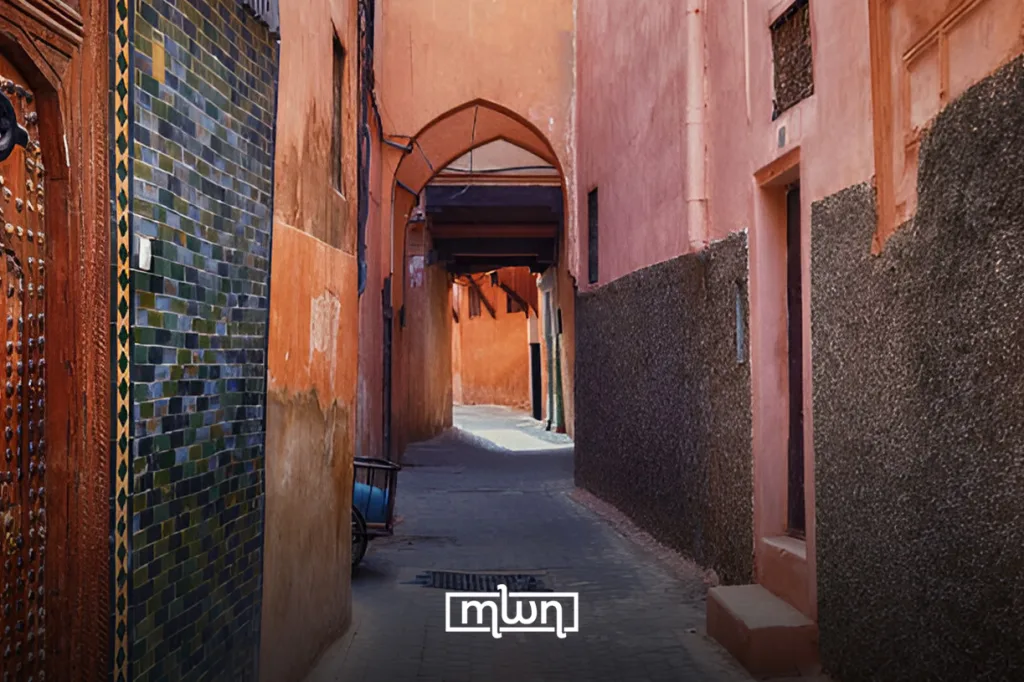
Another imperial city is Meknes, which was founded in the 11th century. During the 17th century, under Sultan Moulay Ismail, it rose to prominence. Under his rule, Meknes became an ostentatious capital with monumental gates, palaces, and mosques that earned it the sobriquet: the “Versailles of Morocco.”
Meknes encompasses an interesting blend of Islamic and European architectural styles, reflecting its historical importance and the Sultan’s ambitious vision.
Architectural Wonders
Architectural marvels dot the Fez-Meknes region.
The 14th-century Bou Inania Madrasa (school) features an impressive art of zellige tilework, carved cedarwood, and stucco decoration. The Al-Attarine Madrasa is another brilliant example of Fez’s architecture, famous for its beautiful courtyard.
In Meknes, the Impressive Bab Mansour Gate, also featuring zellige mosaics and marble columns, represents one of the most significant realizations of Almohad architecture. The city talso exhibits the sultan’s military strength, with a place for royal stables and granaries called the Heri es-Souani, a feat of engineering that housed thousands of horses and stored grain.

Must-Do Experiences for Tourists
Whether you are an architectural connoisseur, a lover of history, or just enjoy taking in unique sights and snapping iconic photos, the Fez-Meknes region has it all. Here are a few must-see destinations:
Fez’s Old Medina
Once you cross Bab Boujloud, known to tourists as the blue gate, you will indulge in a mysterious experience as you stroll through the maze of “derbs” (alleyways) of the old medina, Fez El Bali.

The ancient heart of Fez is a UNESCO World Heritage site famed for its extensive and well-maintained medieval architecture. The medina’s intricate network of narrow paths that lead visitors to souks, handicraft workshops and historical monuments that reflect a rich cultural heritage.
The narrow crowded passages, and the traffic-free streets, take you to another lavish world of traditional artisanal artworks. In terms of garb, the ancient city is known for its Fassi Caftan (traditional Moroccan dress), as well as the iconic pointed shoe called the Belgha, but the souk will offer clothing from all across the country.
Shopkeepers throughout the winding streets offer originally handmade products of copper, silver, leather, and other materials.
Hosted in an impressive 18th-century inn, the Nejjarin Wooden Arts and Crafts Museum displays the extensive expertise of Fez’s artisans through wooden objects such as tools, furniture, musical instruments, and even the doors to the Madrassa Bou Inania.
However, what truly sets Fez apart is its leather products.
The leather tanneries are the must-see destinations in the old medina. These tanneries are the places where leather is traditionally colored to produce a range of artisanal handicraft — from traditional Moroccan footwear, like the Belgha and Sherbil, belts, bags, wallets to premium jackets — all made with hides from camel, sheep, goat or cow.

Fez El Bali is home to four traditional tanneries, with the Chouara tannery being one of the largest of the four traditional tanneries and the most renowned in the heart of the old medina. The tannery has a large number of vats filled with natural dyes used in the production and coloring of the hides, and the process is a marvel to see.
Once colored and dried, the leather is later transferred to artisans to transform this raw material into a range of procure to be sold to visitors and paying customers around the world.
Visitors can visit the Chouara tannery for free, but it is customary to purchase leather products from the shops on the way out. Upon entry, you will be offered a bunch of mint to smell, as the scents of vats can be quite overwhelming.
Shops with terraces surround the tanneries and offer a panoramic view for visitors to watch the hard work of the skilled artisans, performing an ancient craft in the same method used centuries ago.
Old Medina of Meknes
A UNESCO World Heritage Site since 1996, Meknes’ old medina is surrounded by 15-meter high ramparts. Within the enclosed old city are kasbahs, museums, mosques, and other monuments that tell visitors the history of the city through the ages.
The Dar Jamai Museum of Moroccan Art is one of the historical landmarks in Meknes that preserves pieces of the city’s history.
Converted into a museum in 1920, it was originally built as a house for the Jamai family in 1882 by Mokhtar ben Arbi el Jamai, who, along with his brother, served as Grand Vizier under Sultan Moulay Hassan.
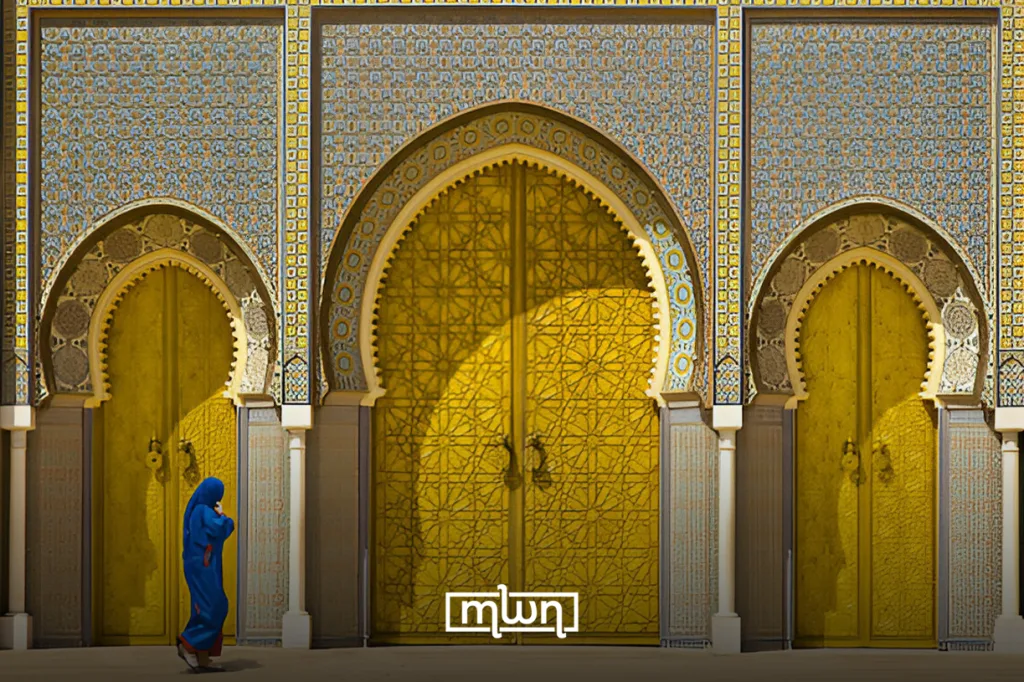
What is special about this museum is the preserved traditional decor of painted wood and sculpted plaster.
The recently refurbished El Hedim Square is the social heart of the medina.
Moroccan families and tourists alike congregate to enjoy shows of musicians playing traditional folk music. Kids amuse themselves driving battery-powered cars while some take snappy photos with delicious Moroccan treats, or even monkeys, or ostriches presented by street peddlers.
The medina in Meknes is less hectic than Fez, but equally interesting, with its souks and friendly locals.
Riads: The Ultimate Moroccan Hospitality
No visit to the Fez-Meknes area would be complete without having stayed in one of its traditional riads.
With their unique inward-facing architecture, the historic residences boast a central courtyard, commonly adorned with fountains and greenery.
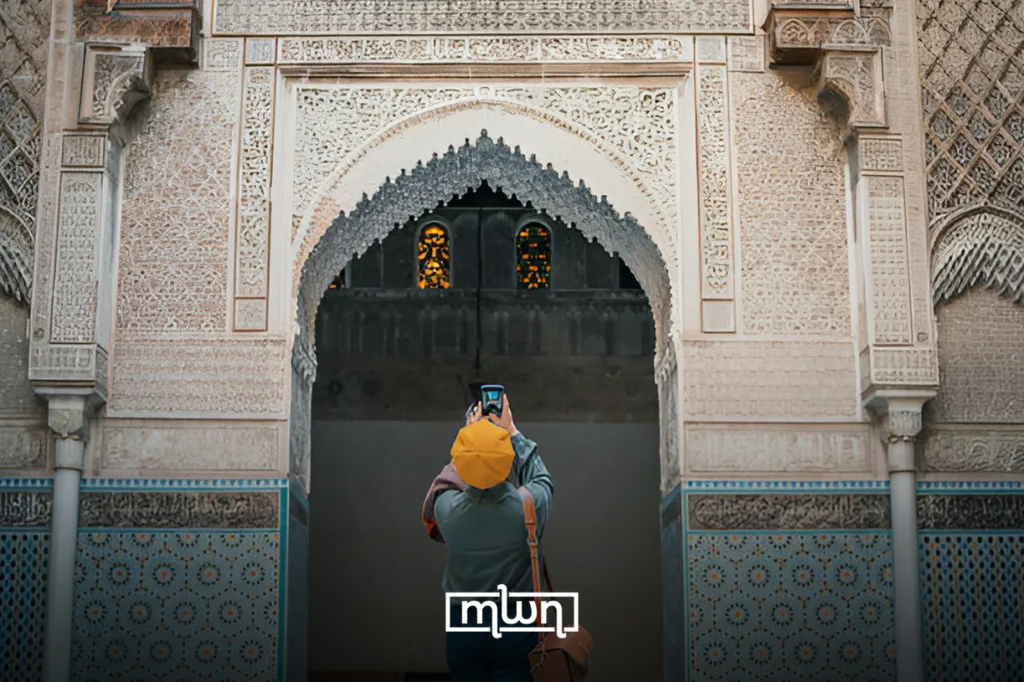
The walls of these compounds have on display the dexterity of Moroccan craftsmanship, with walls made of zellige tiles, cut plaster, and cedar woodwork.
If not kept as traditional residences for Moroccan families, most of these riads have been transformed into boutique hotels. They offer guests an intimate taste of traditional Moroccan life.
Moulay Yacoub Thermal Baths
Looking for a more relaxing experience? Then the Moulay Yacoub thermal baths are for you.
Located in the small village of Moulay Yacoub — 20 kilometers away from Fez — they provide visitors with an uncommon bathing experience in natural thermal springs water.
Known for their medical and mineral benefits, the Moulay Yacoub baths attract tourists, both Moroccans and foreigners alike, to take advantage of their healing waters, which come from as deep as 1,500 kilometers underground.
A piquant odor of sulfur greets visitors as soon as they set foot in the village, which they quickly become accustomed to.
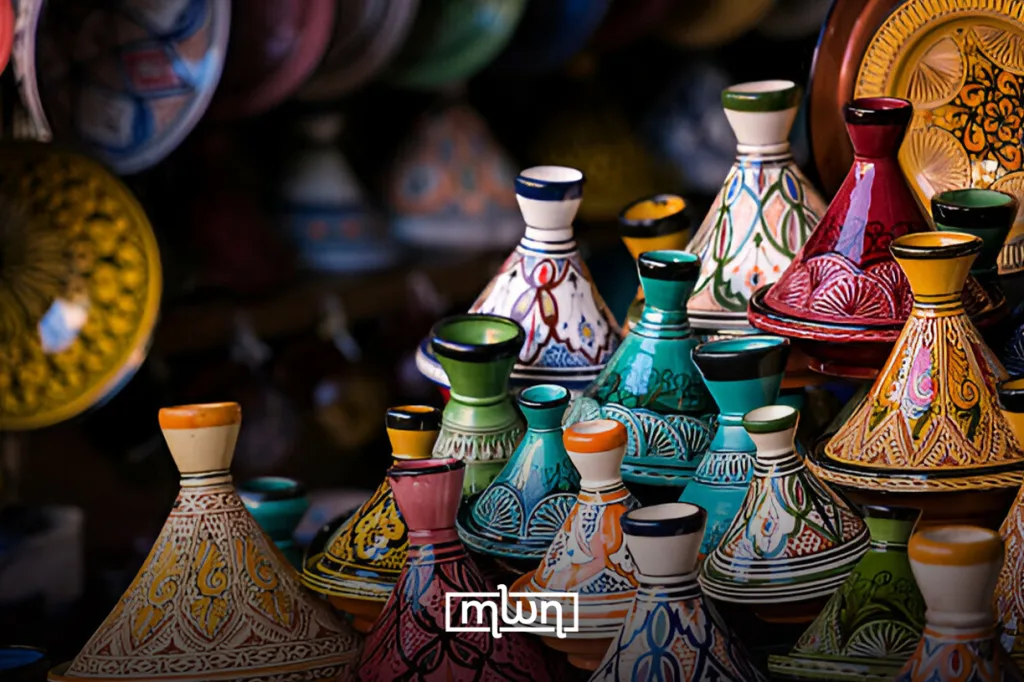
Upon arrival to the village, visitors need to descend many steps on a steep and winding road to reach the baths. The way to this natural attraction is lined with shops offering traditional products and souvenirs, as well as cosmetics for bathing, such as Aakar Fassi (natural Fassi lipstick), herbs, different types of scented soaps, and much more.
Nature Treks in the Mid-Atlas Mountains
For nature lovers, the Fez-Meknes region does not disappoint. The Middle Atlas Mountains offer opportunities for outings through cedar forests and picturesque sceneries found in the city of Ifrane.
Ifrane, known as “Morocco’s Switzerland,” is the ideal mountain-town to truly enjoy the seasons — not something particularly common in Morocco’s Mediterranean climate. Visitors can truly have it all — from watching the orange and brown leaves in the fall, to enjoying the breathtaking snow-covered scenery in winter or escaping the sweltering spring and summer heat waves.
Built as a garden city to provide refuge from extreme temperatures in the late 1920s, this North African “Switzerland” boasts of having recorded the lowest temperatures ever recorded in Africa.
The city is renowned for its tranquillity and serenity, which attract people from all over the world.
However, its history is also a draw. As with Volubilis, Ifrane has been home to several civilizations over the centuries, including Arabs, Romans, and Jews, as it was the capital of a Jewish kingdom in 500 BC.
Volubilis: Morocco’s Roman Legacy
Located between Fez and Meknes, the ancient Roman city of Volubilis offers a look back into Morocco’s pre-Islamic history.
In 1997, Volubilis earned recognition as a UNESCO World Heritage Site. The remains feature very well-preserved remains of basilicas, triumphal arches, and mosaics depicting Roman mythology and everyday life.
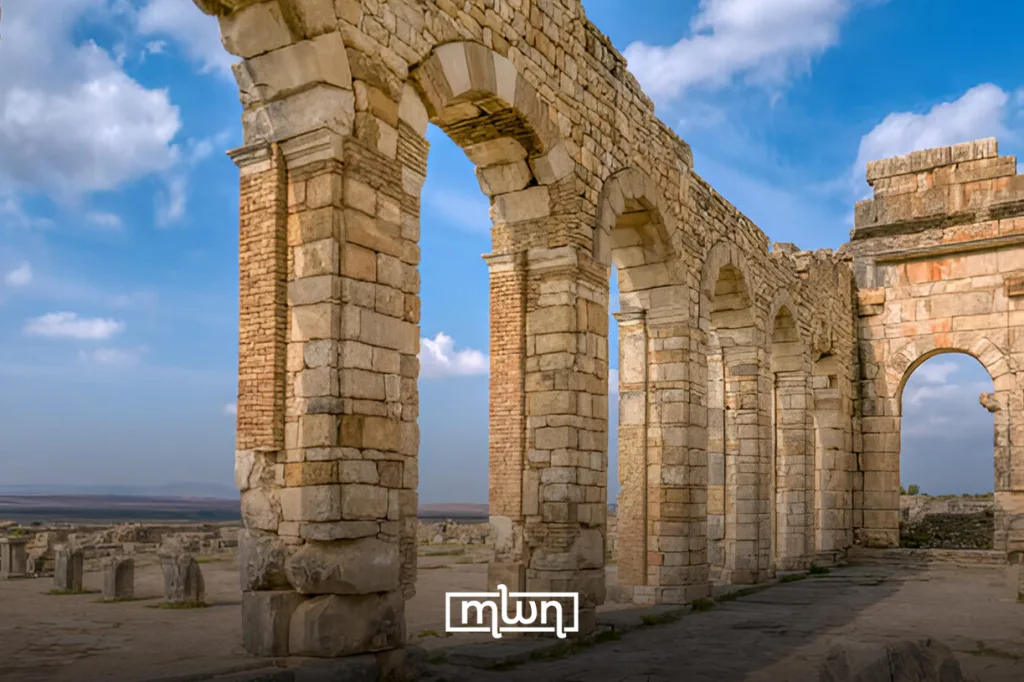
The town had a commanding position as well as rich soil, making it a very vital outpost for the Roman Empire. Its ruins bear testimony to the historical importance of the region.
The Merinid Tombs
Looking for a view of Fez’s old medina that’s not from cafe terraces? The Merinid Tombs is a momentous historical monument that sits above Fez El Bali, bearing a rich cultural significance.
Located on a northern hill overlooking the old medina, this site is distinguished by its unique architecture and solid construction. A trek to the top is tiring but worth it, offering a majestic panoramic view and reprieve from the hustle and bustles in the alleyways below. Insider tip: it is best enjoyed at sunset!
The tombs themselves have fallen into ruin, worn out by sun, wind, and weather, making them dilapidated today.

Still, ruins of the tombs’ structures can still be seen, including remnants of large vaults and massive walls, with decorative elements, such as geometric patterns, calligraphy, and floral ornamentation. These historical artifacts allow visitors to take in the art and aesthetics of the Merinid period.
These tombs are of particular historical importance, as they house the last sultans of the Merinid dynasty, which ruled Morocco from the mid-13th to the 15th century.
Taza: An Often Overlooked Treasure
A whole-encompassing trip through Fez-Meknes would not be complete without visiting the treasure that is Taza.
Founded by local tribes in the 7th century, Taza has a rich history. Similar to Fez, Taza comprises two distinct areas, one of which is an ancient old medina fortified with towering walls and gates, and the other is a modern-style city. These fortifications gave Taza its reputation as a place of resistance to the Ottoman conquest of Morocco and are a testament to the city’s historical importance.
Taza’s monuments and landmarks hold rich historical narratives. Its Great Mosque, dating from the 12th century, is a marvel of the region’s Islamic heritage.
The remarkable architectural styles of the Almohade and Merinid dynasties are evident in this magnificent place of Muslim worship. The exterior is simple yet elegant, while the interior is filled with exquisite details, among them being stunning mosaics, intricately carved and decorated woodwork, and a regal bronze chandelier dating back to the Merinid period.
Other places of interest in Taza are its caves, particularly the Chara Cave, which is over 7 kilometers long. The caves’ fossils date back to the Paleolithic period, further showcasing Taza’s impressive historical heritage.
Close to the city of Taza is one of Morocco’s natural gems: Tazekka National Park. For nature enthusiasts, this park truly has it all — from hidden waterfalls, breathtaking scenery atop the peaks of Jbel Tazekka, mysterious caves holding geological histories, to the lush cedar forests.
Something for Everyone
In a nutshell, to visit Fez-Meknes is to journey both through the past and present of Morocco in all its variants.
While the historical sites, architectural marvels, natural wonders, and vibrant culture of this region enrich the visitor’s experience today, the ongoing preservation efforts promise a future where this rich heritage will continue to thrive.