







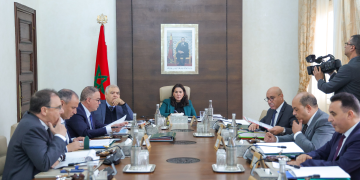












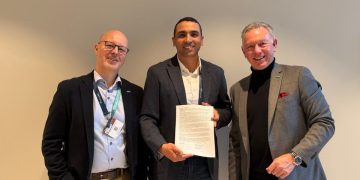













































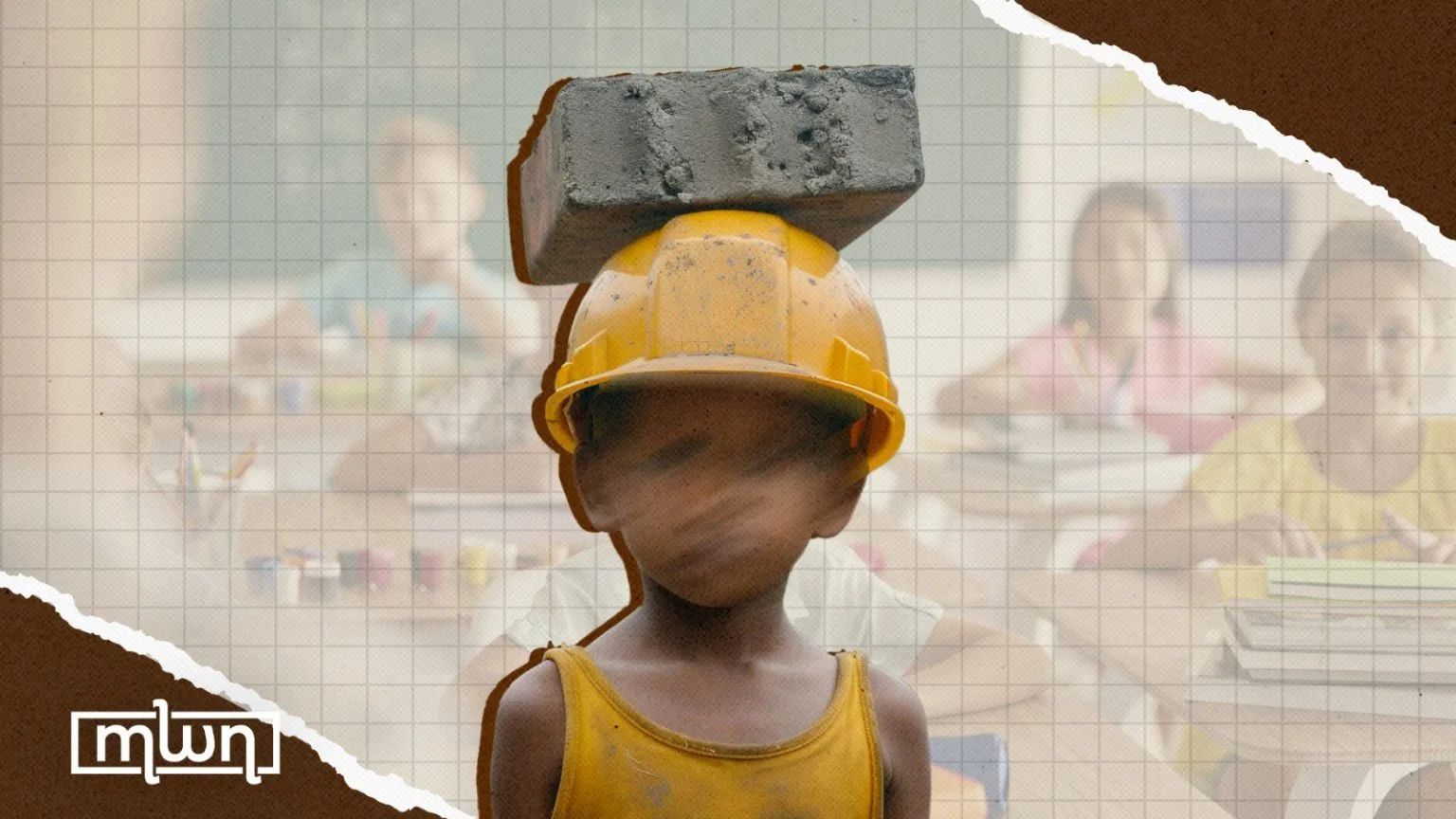
Rabat – The sixth annual Global Conference on the Elimination of Child Labor, held February 11-13 in Morocco, established a new framework for stronger implementation of international labor standards.
The new Global Framework for Action Against Child Labor demands a stronger implementation of international labor standards, strengthened institutions, social dialogue, and effective coordination.
The conference’s ultimate aim was establishing necessary global actions for ending child labor, as the Sustainable Development Goal (SDG) Target 8.7 to end child labor by 2025 goes unmet.
According to the International Labor Organization (ILO) and UNICEF, an estimated 138 million children are still victims of child labor, with nearly 54 million participating in hazardous work.
The ILO says Sub-Saharan Africa is the most affected region in the world, requiring particular focus and support. The organization’s 2020 report found that Africa saw 92.2 million children involved in child labor, 41.4 million in hazardous work. Meanwhile, Morocco’s High Commission for Planning (HCP) reported that 69,000 Moroccan children were working in hazardous conditions in 2023.
ILO Director-General Gilbert F. Houngbo emphasized that the global community must move quickly, stating at the opening session in Marrakech “at the current pace, we will not reach the goal of eliminating child labour by 2030.”
While child labor has nearly halved since 2000, the ILO says progress would need to be 11 times faster to reach the global elimination target.
The Framework recognizes child labor as the product of broad structural factors, highlighting the issue as both a cause and a consequence of poverty. The report lists efforts to reduce poverty and ensure access to essential public services as a priority.
Efforts include “expanding universal access to free, compulsory, and quality basic education; strengthening universal social protection systems for children and families; and promoting decent work for adults and youth.”
Read also: Morocco to Host 6th Global Conference on Elimination of Child Labor
Younes Sekkouri, Moroccan Minister of Economic Inclusion, Small Business, Employment and Skills, stated: “The Global Marrakesh Framework of Action, adopted unanimously by all the participating countries, governments, and employers’ and workers’ representatives, will enable us to join forces and work together with focus and determination to eradicate child labour globally, specifically in sectors where urgent action is needed, such as agriculture.”
The conference focused largely on prevention, especially for children between 5 and 11 (79 million) and in rural areas, where most child labor occurs in agriculture. Child labor occurs at much higher rates in rural areas, nearly three times urban rates.
The Framework also points to “emerging and persistent challenges, including technology-facilitated commercial sexual exploitation of children and the need for regulatory and policy responses that protect children.”
Outlined expectations now include increased monitoring and accountability through improved data collection and regular monitoring of progress.
The Framework acknowledged the significant progress made toward ending child labor but asserts that current efforts are not sufficient enough to maintain a sustainable reduction in child labor.
The Global Marrakech Framework of Action renewed its commitment to fight child labor, stressing the “urgent need to strengthen the effectiveness” of global action. The conference called for international political leadership, financing, and accountability to achieve the post-2030 agenda of “ending child labor everywhere.”