Rabat – The group of countries supporting the work of the United Nations refugee agency (UNHCR) on protracted displacement called Thursday for residents of the Tindouf camps in southwestern Algeria to be informed about available long-term solutions, citing recent diplomatic developments following UN Security Council Resolution 2797.
The group said the resolution, adopted in October 2025, and subsequent diplomatic efforts had created “a real possibility” for camp residents to access durable solutions that had not previously been available.
Todd Steigerwald, the US permanent representative to the United Nations in Geneva, delivered the statement in a declaration jointly drafted with France.
The group urged the UN High Commissioner for Refugees and donor countries to take steps to inform residents of the different options available to them and create conditions that would allow them to build a more dignified future.
It also thanked the UN High Commissioner for Refugees Barham Salih for making protracted displacement a priority, stressing that ending such situations is essential to sustaining the agency’s work.
The declaration called on UNHCR to address the root causes of forced displacement within its mandate and take advantage of opportunities to contribute to political processes, peace efforts and development initiatives that could lead to lasting solutions.
It also encouraged the agency to provide technical protection expertise and mobilize governments and other actors involved in peace and development efforts to identify solutions suited to specific situations.
The group brings together countries from different regions that contribute to UNHCR’s work through financial support and the mobilization of national resources.
The statement comes two days after Morocco urged UNHCR and donor countries to redirect funding toward long-term solutions for people living in the Tindouf camps. Morocco’s Permanent Representative to the UN in Geneva, Omar Zniber, called for greater attention to three internationally recognized options, including voluntary return to the country of origin, integration into the host country, and resettlement in a third country. Zniber also stressed that the choice must remain free and voluntary.
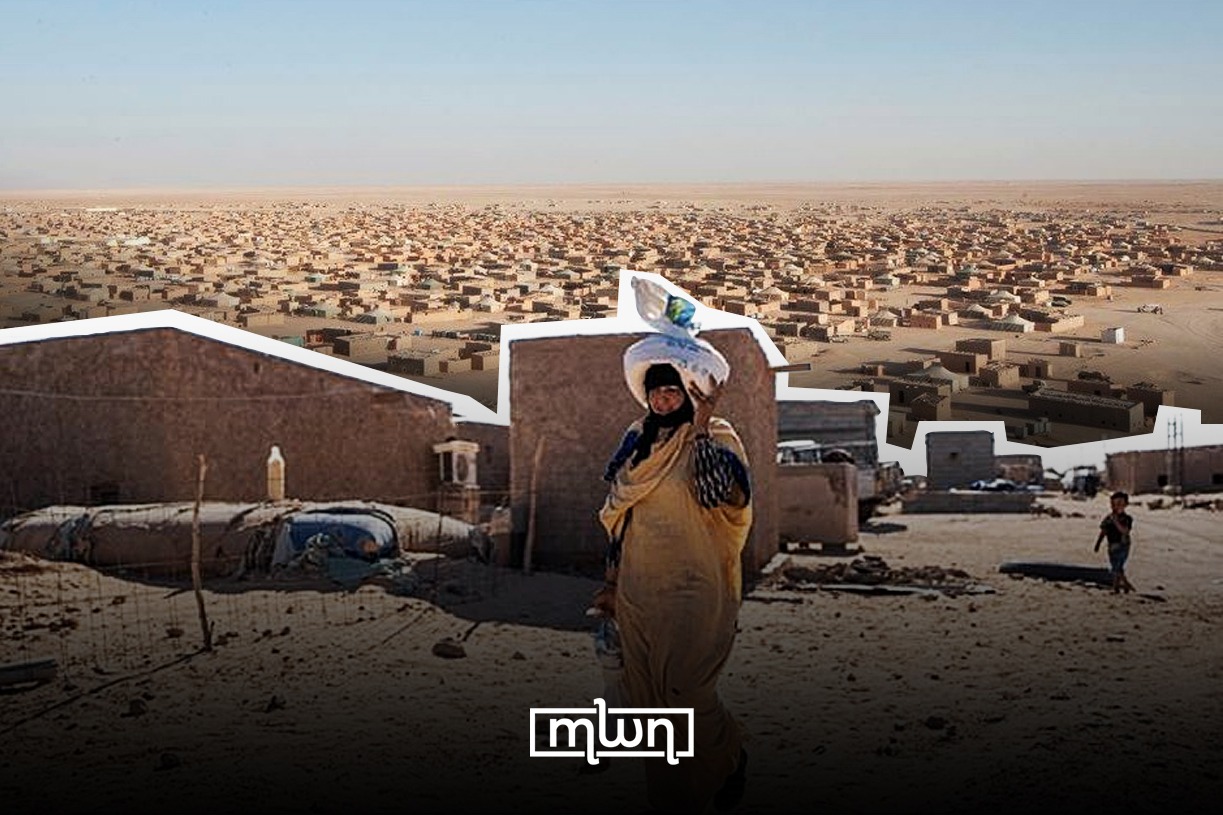
The camps have hosted Sahrawi refugees since 1975, amid the long-running dispute over Western Sahara. The humanitarian situation remains a concern, with UN planning documents reporting food insecurity and malnutrition, while the population figures used by humanitarian agencies vary. The absence of a comprehensive census has also remained a point of contention.
Security Council Resolution 2797 renewed diplomatic efforts to reach a political settlement over Western Sahara and extended the mandate of the UN mission in the territory until October 31.