


 Join on WhatsApp
 Join on Telegram
Rabat – Morocco’s High Commission for Planning (HCP) declared Saturday, on World Population Day, that women are more exposed to COVID-19 largely due to their higher presence in healthcare jobs.
The United Nations is celebrating World Population Day this year under the theme, “Putting the brakes on COVID-19: how to safeguard the health and rights of women and girls now.” The greater risks women face in terms of physical and economic well-being have featured consistently in reporting on the pandemic.
Why do women in Morocco face greater exposure to COVID-19?
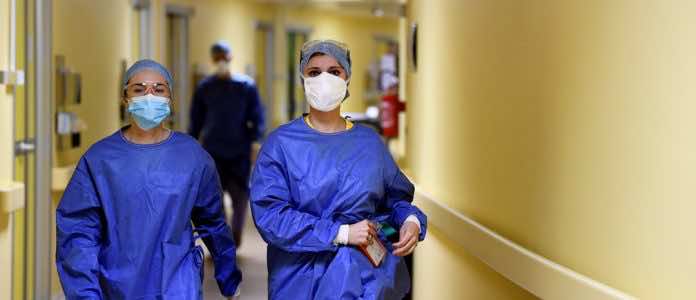
“Men and women are exposed differently to risk factors for health caused or accentuated by COVID-19,” said the commission in a statement. HCP attributed this largely to the disproportionately higher presence of women working in healthcare.
Women represent 58% of Morocco’s medical personnel and 67% of paramedical personnel, referring to nurses and technicians.
In addition, HCP attributes its findings partially to the fact that the COVID-19 crisis has limited women’s access to health services, given the heightened focus that the medical sector put on tackling the spread of the virus.
The commission previously reported that some Moroccan women also refrained from seeking healthcare during the height of the crisis due to fear of contamination at healthcare facilities.
These factors led to a particular disturbance of women’s access to sexual and reproductive health services, according to the commission.
Among the concerned households, 30% of women forewent antenatal and postnatal consultation services during lockdown. Meanwhile, 34% of women who required access to reproductive health services did not access such services.
As for households headed by women, 47.5% with members suffering non-COVID-19 illnesses did not access health services, while 37.9% of households headed by men with sick members did not access health services. This reflects a disparity in ability to access health services, according to the commission.
The negative psychological effects of the COVID-19 pandemic have also affected more women than men, namely anxiety (51% of women against 49% of men), sleep disorders (26% against 23%), and depression (9% against 6%).
World Population Day and UN support for Morocco’s women
In line with HCP’s findings, the UN declared on the occasion of World Population Day that not everyone is affected equally by COVID-19. “Women, who account for the largest share of front-line health workers, for example, are disproportionately exposed to the coronavirus,” reads a statement on the UN website
In addition to women occupying more jobs in health services and the daily risk they are facing, the UN drew attention to an increase in unintended pregnancies, stating that 47 million women in low- and middle-income countries may not be able to access modern contraceptives if lockdown were to continue for an additional six months. This would result in seven million unintended pregnancies.
The statement attributed this to limited contraceptive access stemming from disruptions in global supply chains, as well as a heightened focus on COVID-19 containment and treatment, drawing focus from such services.
The UN has been working to support vulnerable women during the special circumstances of COVID-19. In Morocco, these efforts are particularly visible via Operation SALAMA.
The United Nations Population Fund (UNFPA) launched Operation SALAMA with the objective of protecting vulnerable communities in Morocco by distributing medical and hygiene kits as a preventive measure against the spread of the virus. The initiative also involved an awareness-raising campaign.
The project put a particular focus on vulnerable women, such as pregnant women, survivors of gender-based violence, pregnant detainees, elderly women, migrants, and women with disabilities. Female healthcare professionals, especially midwives, also benefited from the program.
UNFPA launched the initiative in collaboration with Moroccan governmental institutions and NGOs.




