
































































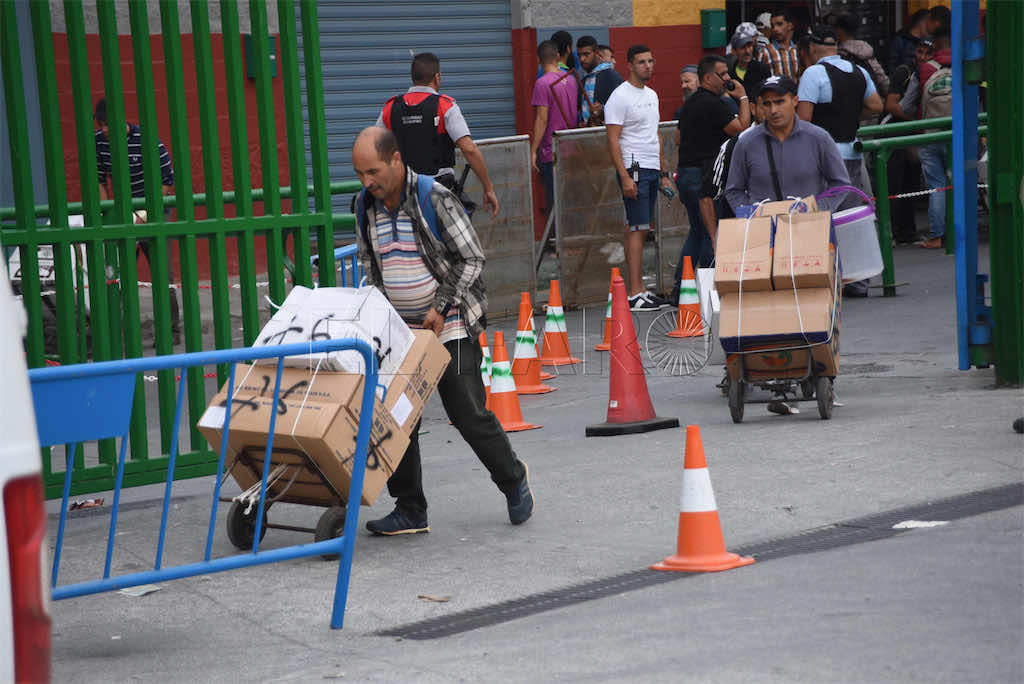
Rabat – After its closure at the end of July, the Tarajal II pass reopened its doors. Ceuta’s authorities had indefinitely suspended crossings through Tarajal II starting July 25 to rehabilitate and expand the Spanish side of the border.
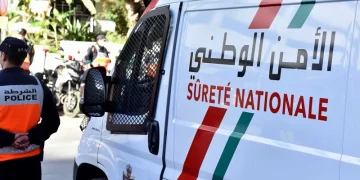
As soon as it reopened, Tarajal II registered a higher number of crossings. The transits between Morocco and Ceuta are expected to reach 4,000. Starting September 3, Moroccan and Spanish authorities coordinated in order to better control and manage the porters’ crossings.
El Faro de Ceuta reported that porters crossing the border had to leave their cars due to the construction work carried out on roads on the Spanish side.
Vehicles carrying merchandise, known as “patera” cars, were no longer allowed passage.
In a press release, the Spanish government previously noted that this ‘atypical commerce’ will only resume once technicians determine that the border’s infrastructure is safe enough.
According to El Faro de Ceuta, the president of Phase II of the Tarajal border, Bilal Dadi, criticized how “after suspending the border’s activity for more than a month, we are still waiting for the road to be asphalted.”
Dadi also warned that the security plan “does not guarantee the movement of porters with their cars 100% full of merchandise.” “This situation will force people to attempt taking merchandise inside shopping carts or attached to their bodies; it will create greater pressure on the pedestrian side of the border,” says El Faro de Ceuta.