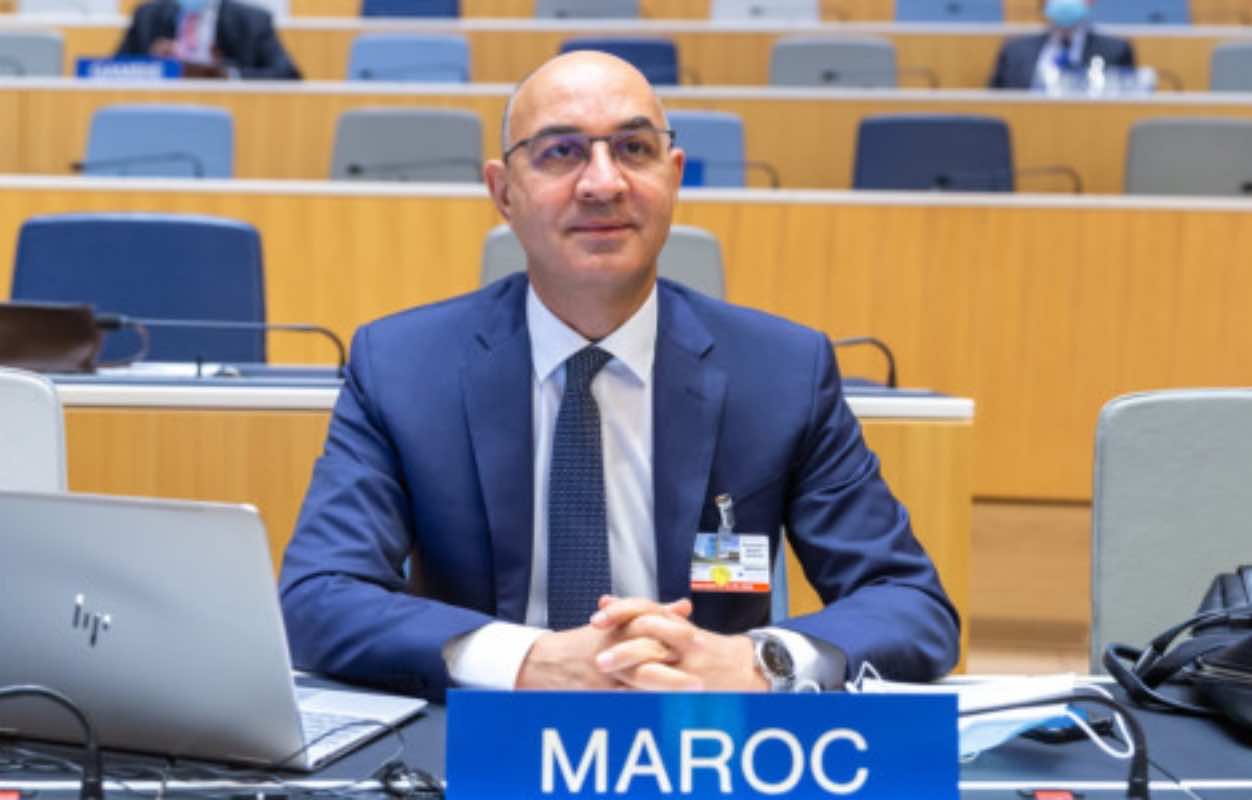
Rabat – At the 61st World Intellectual Property Organization (WIPO) General Assembly in Geneva, Morocco called on the organization to take into consideration the needs of developing countries and WIPO’s commitments to them.
WIPO is one of the UN’s 15 specialized agencies, active since 1970. The organization, which has 193 member states, cooperates with countries and international organizations to promote and protect intellectual property.
The 61st set of meetings of the WIPO General Assembly opened on Monday under the chairmanship of Morocco.
The Moroccan delegation at the assembly seized the opportunity to shine the spotlight on the developing world, according to Morocco’s state media.
“The significant advances made by WIPO over the past decade should not ignore the need to do more to meet the needs of Member States, especially developing countries, and to meet the multiple challenges we face today,” Morocco’s Deputy Permanent Representative in Geneva, Abdellah Boutadghart, stressed during Monday’s session.
He called for an “an effective implementation of the recommendations of the WIPO Development Agenda.” By moving forward with these recommendations, developing countries will be better positioned to benefit from “the various advantages offered by the WIPO.”
Citing “the profound changes affecting the world,” the Moroccan diplomat called on WIPO to reconsider the framework of intellectual property. WIPO should focus, in particular, on the legal, political, and ethical aspects of how artificial intelligence impacts creativity and innovation.
Morocco’s representatives at the meeting also suggested the WIPO focus on completing “long negotiations.” The delegation highlighted the protection of genetic resources, traditional knowledge, and traditional cultural expressions as issues that should take priority. Boutadghart also called for negotiations relating to convening diplomatic conferences for the adoption of the Treaty on the Right of Designs and Models (DLT).
“We are convinced of the possibility of finding favorable outcomes to these normative questions, as well as to others having an institutional aspect, if we work in a spirit of goodwill, compromise, collaboration, and consensus,” Boutadghrat underlined.
Finally, the Moroccan delegation stressed the North African country’s attachment to multilateralism.
Multilateralism is an “essential element in today’s world, more complex and interdependent,” Boutadghrat said, adding that “it is essential that each of us show flexibility and moderate his or her claims in the common interest.”
On Monday, Morocco’s Permanent Representative to the UN in Geneva, Omar Zniber, similarly emphasized the country’s commitment to strong multilateral action. Zniber described multilateralism as an “indispensable mechanism” to address the economic, social, and health challenges “at the heart of the WIPO’s concerns.”
Morocco’s elected role as chair of the WIPO General Assembly is recognition of this commitment, he affirmed.