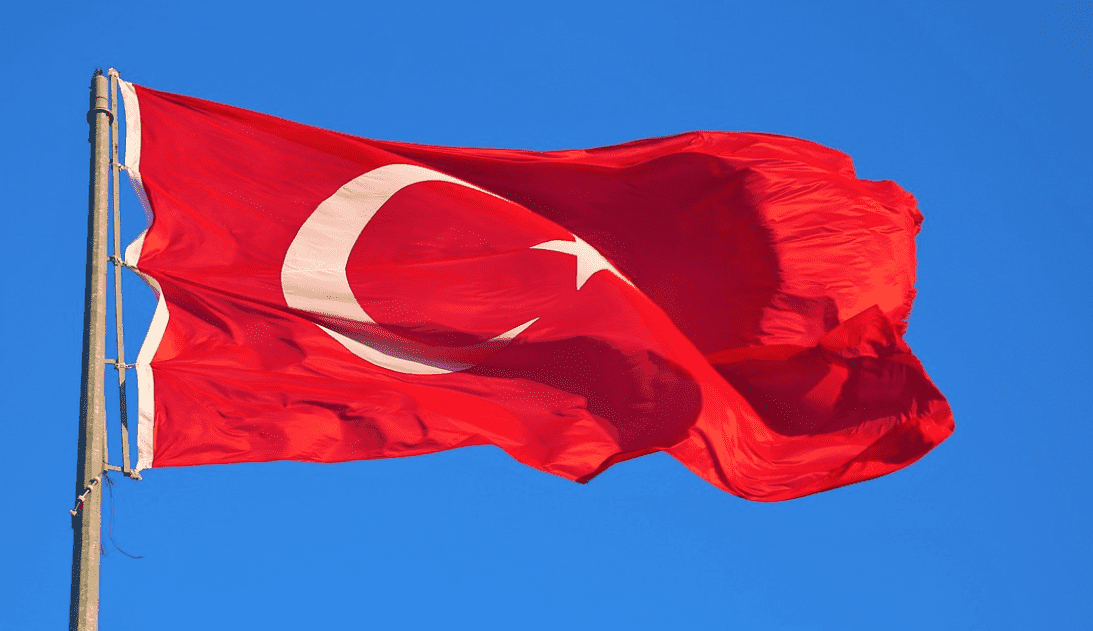
Rabat – Turkey says it has uncovered a mass grave containing dozens of bodies in a Turkish-held region of northern Syria.
On Wednesday night, Turkey’s defense ministry said 35 bodies encased in burlap bags were discovered in the Afrin region, which was controlled by the Kurdish People’s Protection Units (YPG) militia until Ankara took over the territory in 2018.
On Thursday, the governor of Turkey’s Hatay province, Rahmi Dogan, said the number of bodies now stands at 61.
“The search is still going on and I think this number will increase,” said the governor.
Dogan added the bodies found were those of civilians executed by the YPG days before the Turkish offensive in Afrin began in 2018.
This statement is still to be verified, and the governor did not provide any more details to back up his accusations.
Turkey often accuses the YPG of such war crimes. Turkish rhetoric on the YPG has been clear, President Recep Tayyip Erdogan and Turkish media organizations often claiming that Syrian Kurds are no different from ISIS.
They also call the YPG a “terrorist group,” and claim they are responsible for various “crimes against humanity,” including summary executions and forced population displacement.
The YPG is a militant wing of the Kurdish Democratic Union Party (PYD). They control mostly Kurdish-populated areas in northern Syria.
In a bid to form an independent Kurdish state, the group was directly involved in the fights against ISIS and the Assad government.
The YPG’s main ally was the United States before its withdrawal from the region in 2019.
US backing has enabled the YPG to achieve major victories such as the battle of Kobane against ISIS. The United States has assisted the YPG through air raids and military training of Kurdish combat units.
Under Erdogan, discontent has steadily increased, as seen in the June 2013 Gezi park protests and a July 2016 coup attempt. As the Turkish government adopted an aggressively nationalist and conservative agenda that goes hand in hand with further securitization of the Kurdish question, tensions have pointedly risen between Turkey and Kurdish militant groups and political parties.
In July 2015, a two-year cease-fire between Turkey’s government and Kurdish forces collapsed following a suicide bombing by an ISIS member.
The attack killed nearly thirty Kurds near the Syrian border, and rewatched tensions between Turkey and the Kurdish liberation party.
Following a failed coup attempt in July 2016, Erdogan cracked down on suspected coup conspirators, arrested an estimated fifty thousand people, and increased airstrikes on PKK militants in southeastern Turkey. He also began conducting military operations in Syria against the YPG and ISIS.
The Kurds asked Syria’s government and its ally, Russia, to help stop the assaults. Turkey and Russia subsequently agreed to take joint control of the border area.
Turkey has since maintained that the biggest militia in the Kurdish-led alliance is a terrorist organisation, and regularly accuses its organs of grave crimes.