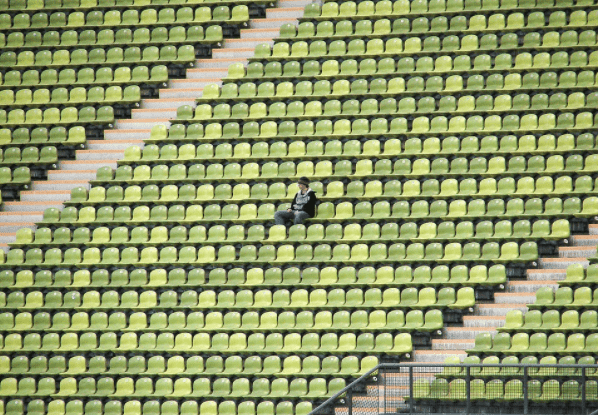
Rabat – Fans will be banned from spectating in Tokyo stadiums and arenas when the 2021 Olympics start in two weeks, the city’s governor revealed after a meeting with the games’ organizers.
The announcement comes after the Japanese government put its capital, Tokyo, under a state of emergency to curb the rise of new COVID-19 infections, including the highly contagious delta strain.
The state of emergency will start on July 12 and continue until August 22. The Olympics, scheduled to begin on July 23 and end August 8, will take place exclusively during that period.
The ban will make this year’s Olympics largely a TV-only event, which means a serious blow for Japanese organizers and taxpayers. Hundreds of millions of dollars in ticket revenues will now need to be recovered by the government.
Fans from abroad have been banned from attending the games months ago, and these new measures will prevent spectators from attending the games on either an indoor or outdoor basis.
The opening ceremony, which will take place on July 23 at the new $1.4 billion National Stadium will not be attended by any paying fans, but some officials and sponsors will be allowed to attend.
“We will have to review the situation about the dignitaries and stakeholders,” Seiko Hashimoto, the organizing committee President, said about the ceremony. “No fans was a very difficult decision.”
She added that the organizers were compelled to decide not to permit spectators to attend. “We postponed and postponed, one after another. I have done some soul-searching about that.”
Organizing the 2021 Olympics, which have already been delayed from their original 2020 date, officially cost Japan $15.4 billion, although other sources say the number is much larger.
The organizers were expecting to make $800 million through ticket sales, but should that not be achieved, the Japanese government will be required to make up the difference.
The sports venues were allowed to be filled to 50% capacity two weeks ago but the recently announced state of emergency forced the organizers to ban spectators entirely.
The state of an emergency mainly aims to close bars and restaurants, as a ban on serving alcohol will go a long way towards toning down celebrations that can help in the spread of the virus.
“How to stop people enjoying the Olympics from going out for drinks is a main issue,” Health Minister Norihisa Tamura said.
The games will see competitions between thousands of athletes in various sports, including Moroccan athletes such as Btissam Sadini and Soufiane El Bakkali.