Rabat- The Iranian government has announced its support for Algeria’s decision to sever diplomatic relations with Morocco, suggesting aAlgiers had valid reasons “to take this decision.”
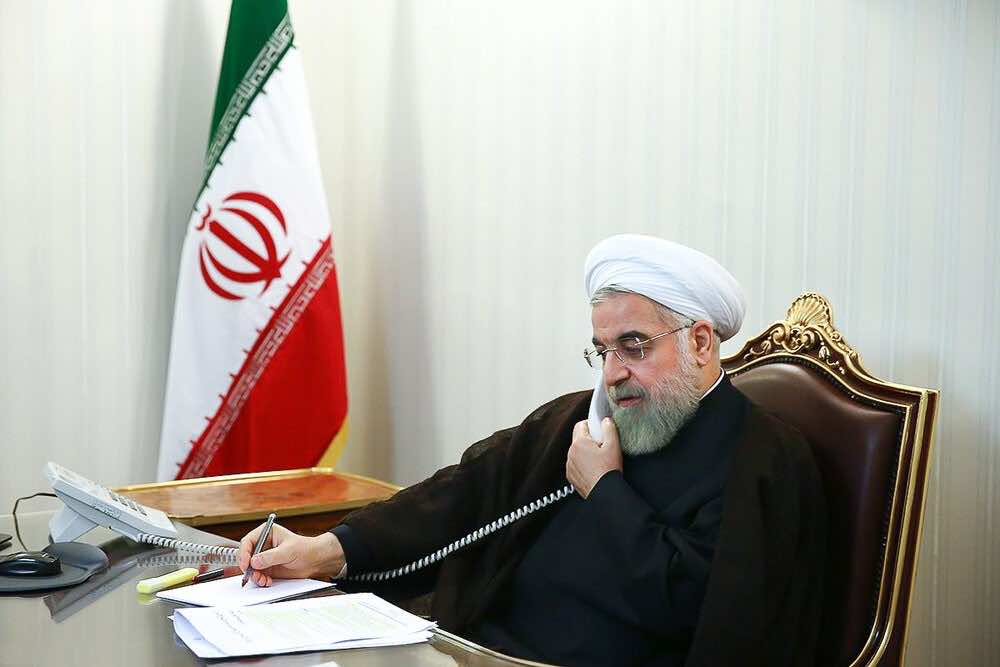
Iranian Ambassador to Algeria, Hosein Mushaalyi Zadah, expressed Tehran’s position in support of Algeria, highlighting the reasons Algeria severed diplomatic relations with Morocco, and not the decision itself.
“The issues which led to the breakdown of diplomatic relations between the two countries should receive serious attention and an adequate response to Algeria’s concerns regarding security threats and the violation of its unity and of its sovereignty,” the Iranian diplomat said.
Zadah appeared to link the diplomatic fallout between the two North African countries to their diverging stances on the Palestinian cause, claiming that Algeria has been a better champion of Palestinians. “Algeria’s recent positions and actions in favor of the Palestinians have aroused hope and admiration for all Muslims and liberals in the world,” he said.
In a television address following his government’s severing of diplomatic relations with Morocco, Algeria’s Minister of Foreign Affairs, Ramtane Lamamra, claimed that “Morocco has added to its hostilities its exceptional and documented cooperation with the terrorist organizations MAK and Rashad.”
He went on to accuse MAK, a movement advocating for Kabyle self-determination in northern Algeria, and Rachad, an Islamism-inspired grassroots movement with anti-government sensibilities, of being behind the forest fires that swept through northern Algeria earlier this month. “MAK and Rashad were found involved in the fires that recently devastated a number of provinces, the murder of young Jamal Ben Ismael,” the Algerian FM further charged.
Last month, many senior Algerian officials lashed out at Morocco’s UN ambassador for appearing to support Kabyle self-determination. During his recent visit to Morocco, however, Israeli FM Yair Lapid dismissed Algiers’ criticism of Morocco by quipping that Algeria is frustrated because of Rabat’s support of the “valiant Kabyle people.”
The Israeli FM also expressed concern regarding the role Algeria plays “in the region, its rapprochement with Iran and the campaign it waged against the admission of Israel as an observer member of the African Union.”
In a similar statement, Israeli foreign affairs spokesman Hassan Kaiba argued that Algeria has become a conduit for Iranian-sponsored terrorist movements since the Arab Spring began in 2011, according to Moroccan state media.
“The Algerian-Iranian cooperation worries us especially that Iran aims to infiltrate all countries,” Kaiba affirmed, pointing out Iran’s actions in the Middle East have mostly resulted in destruction and terrorism, particularly in Iraq, Syria, and Yemen.
He added, “Iran continues to interfere in the affairs of African countries, including Algeria”.
In response to Algeria’s decision to end diplomatic relations with Morocco, Kaiba said “this is a matter between two countries linked by borders and centuries-old ties.”
While Morocco has “taken note” Algeria’s “unilateral” to sever diplomatic relations, the Moroccan government appears to have decided to remain diplomatic and proportional in its response to its eastern neighbor’s latest accusations.
Morocco’s Foreign Ministry said in a communique that “Morocco regrets this totally unjustified but predictable decision, due to the escalation observed in recent weeks.”
However, the statement went on to add Rabat’s pledge to remain a sincere and committed partner for the Algerian people, and to continue cultivating healthy and productive pan-Maghrebi relations.